


Diptera.info :: Identification queries :: Diptera (adults)
 Sarcophagidae ?
|
|
| skrylten |
Posted on 15-05-2012 17:37
|
 Member Location: Sweden Posts: 1509 Joined: 03.10.11 |
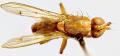
A big one, 16 mm. 2012-05-14, South of Sweden. Is it possible to get further from photos ? skrylten attached the following image: 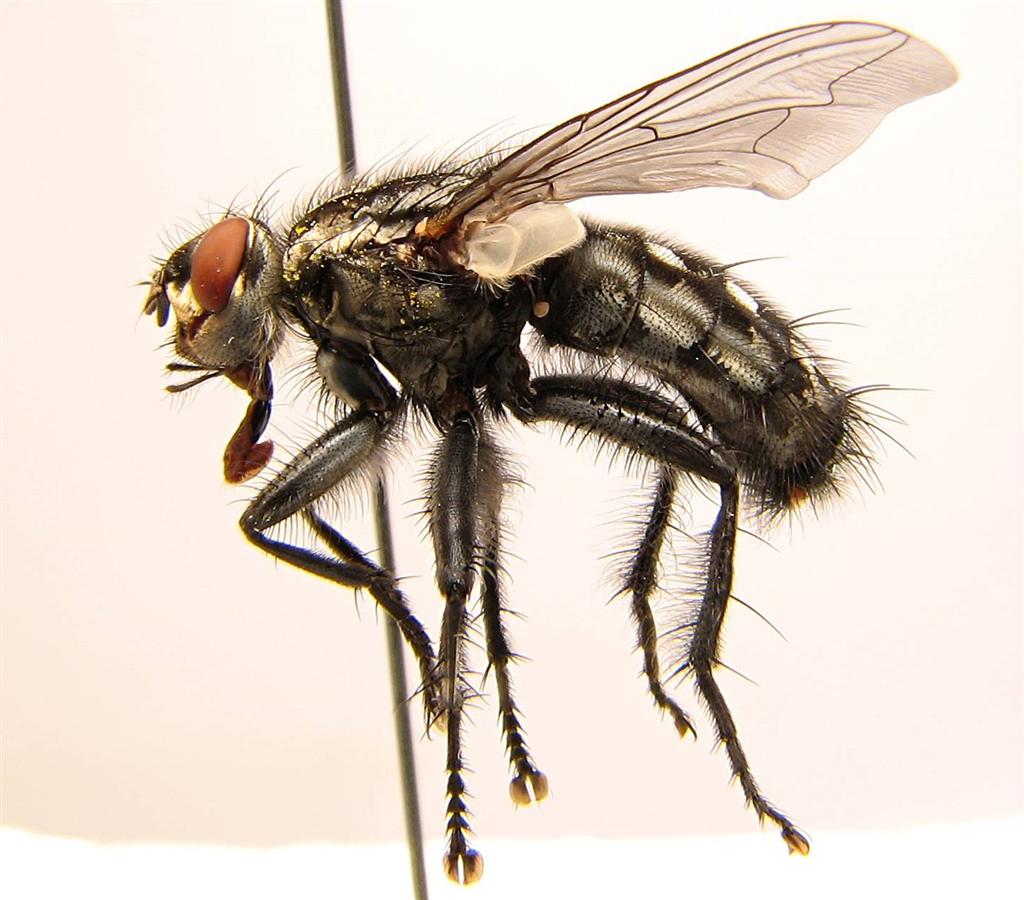 [111.61Kb] Edited by skrylten on 15-05-2012 17:39 |
|
|
|
| skrylten |
Posted on 15-05-2012 17:38
|
|
Member Location: Sweden Posts: 1509 Joined: 03.10.11 |
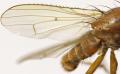
2:nd image
skrylten attached the following image: 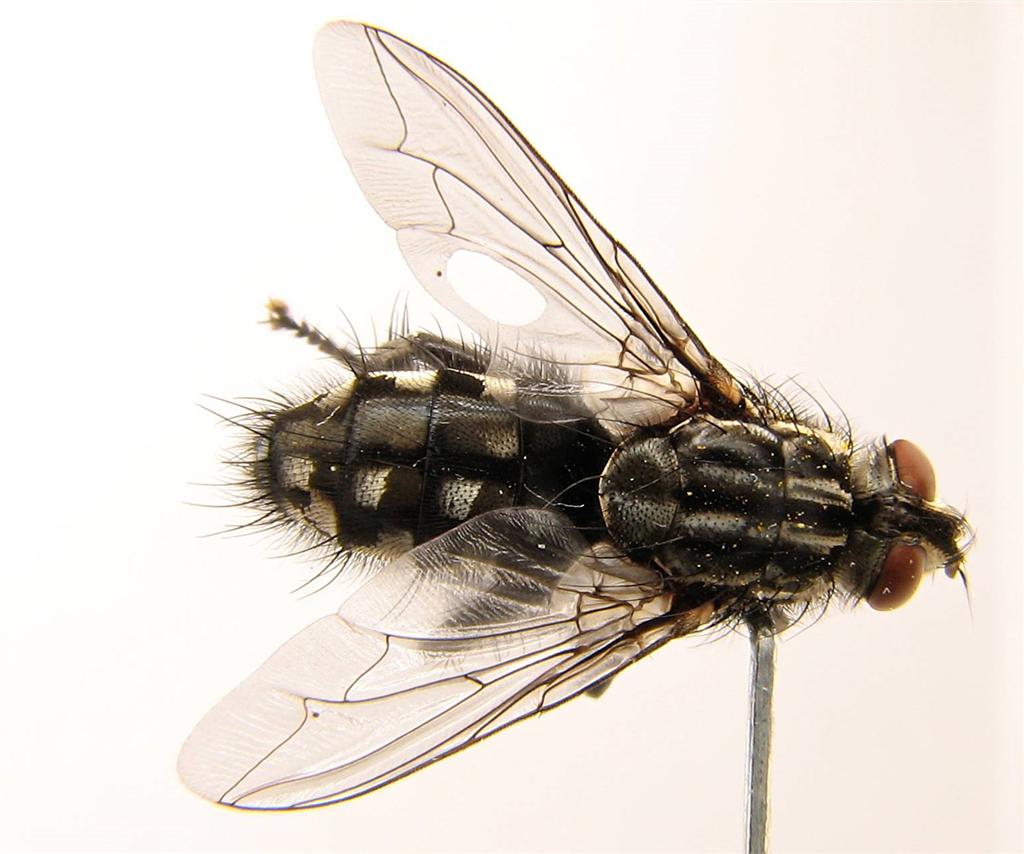 [91.09Kb] |
|
|
|
| skrylten |
Posted on 15-05-2012 17:38
|
|
Member Location: Sweden Posts: 1509 Joined: 03.10.11 |
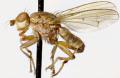
3:rd image
skrylten attached the following image: 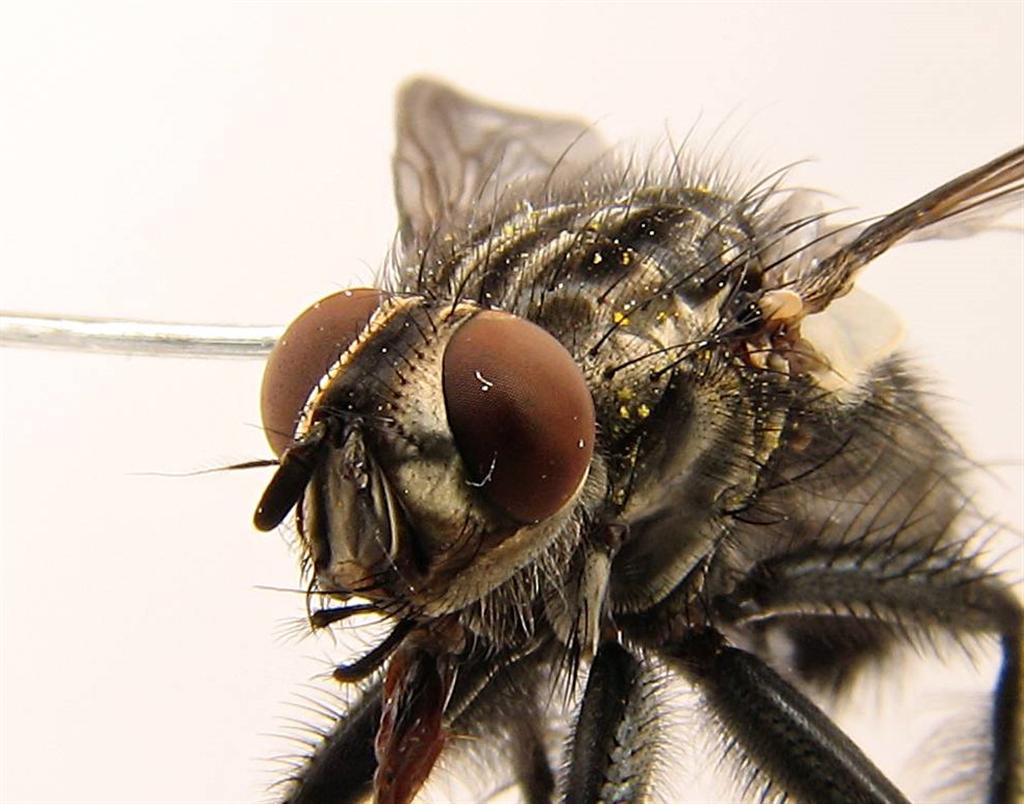 [100.86Kb] |
|
|
|
| ChrisR |
Posted on 15-05-2012 17:52
|
 Super Administrator Location: Reading, England Posts: 7706 Joined: 12.07.04 |
You need to fold out the genitalia on all male Sarcophagidae - it is easy when they are soft but gets more difficult if you later have to relax them. Without genitalia then all you can say is Sarcophaga 
Manager of the UK Species Inventory in the Angela Marmont Centre for UK Biodiversity at the Natural History Museum, London. |
 |
|
| skrylten |
Posted on 15-05-2012 18:01
|
|
Member Location: Sweden Posts: 1509 Joined: 03.10.11 |
Thx again Chris ! Hmmm is this a male 
Edited by skrylten on 15-05-2012 18:03 |
|
|
|
| ChrisR |
Posted on 15-05-2012 18:08
|
|
Super Administrator Location: Reading, England Posts: 7706 Joined: 12.07.04 |
It looks like a male - you should be able to see the rounded, shiny genital capsule at the end of/under the tip of the abdomen. When they are soft it is fairly easy to pin the fly laterally, through the thorax, against some foam and then use some more pins to manipulate/hold the genitalia open, like a folding pocketknife  Just let it dry in that position and then remove all but the pin through the thorax PS: also note that males tend to have long claws and pulvilli
Edited by ChrisR on 15-05-2012 18:09 Manager of the UK Species Inventory in the Angela Marmont Centre for UK Biodiversity at the Natural History Museum, London. |
|
|
|
| Jump to Forum: |