


Diptera.info :: Family forums :: Syrphidae
Who is here? 1 guest(s)
 Which Chelosia female II?
|
|
| Leif Bloss Carstensen |
Posted on 24-01-2018 23:45
|
|
Member Location: Denmark Posts: 31 Joined: 15.09.14 |
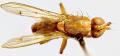
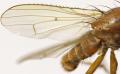
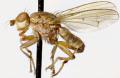
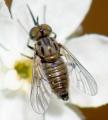
I collected a female Cheilosia on 25 May 2017 at Kapeldalen close to the lake Hald Sø in the middle of Jutland, Denmark. When I use various keys, I end at uviformis, but this female differs from the female that Robert Zóralski identified last Friday as Cheilosia uviformis. The face profile is different, it is a little smaller, and the sternites are more shiny.. Data: Length: approx. 8 mm. Eyes with very few short, white hairs. You have to look carefully for them. Thoraic dorsum: Long yellow, white-yellow hairs. Scutellum: 4 black bristles and 1-2 yellow ones. Sternites: shining, but all clearly dusted. If you need further details or pictures, please let me know. Hope you can help me identify this female. Best regards Leif BC Leif Bloss Carstensen attached the following image: 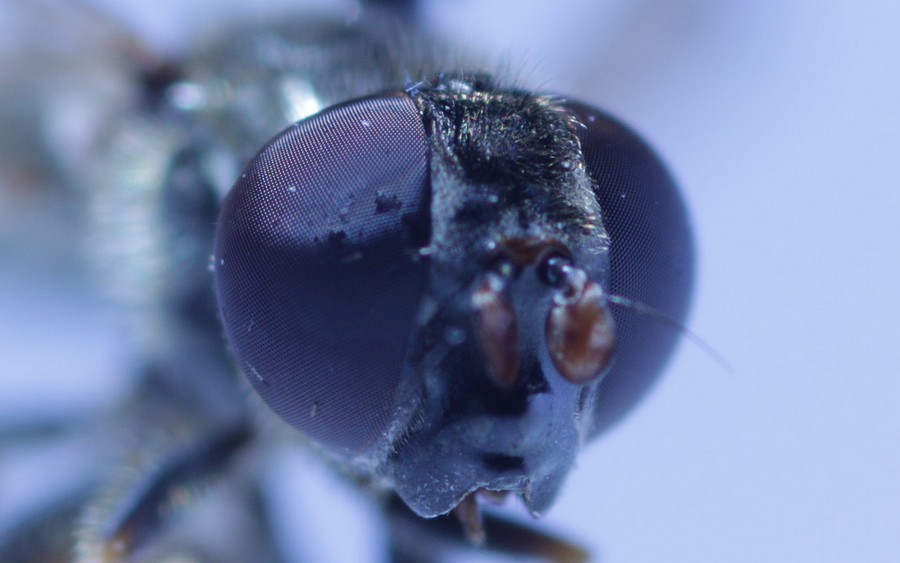 [75.25Kb] |
|
|
|
| Leif Bloss Carstensen |
Posted on 24-01-2018 23:46
|
|
Member Location: Denmark Posts: 31 Joined: 15.09.14 |
-
Leif Bloss Carstensen attached the following image: 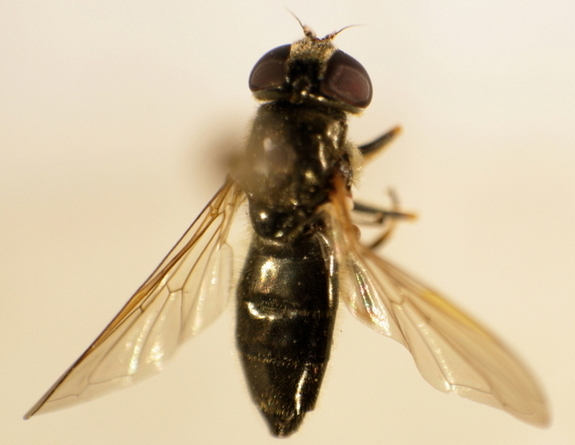 [186.69Kb] Edited by Leif Bloss Carstensen on 24-01-2018 23:54 |
|
|
|
| Leif Bloss Carstensen |
Posted on 24-01-2018 23:57
|
|
Member Location: Denmark Posts: 31 Joined: 15.09.14 |
-
Leif Bloss Carstensen attached the following image: 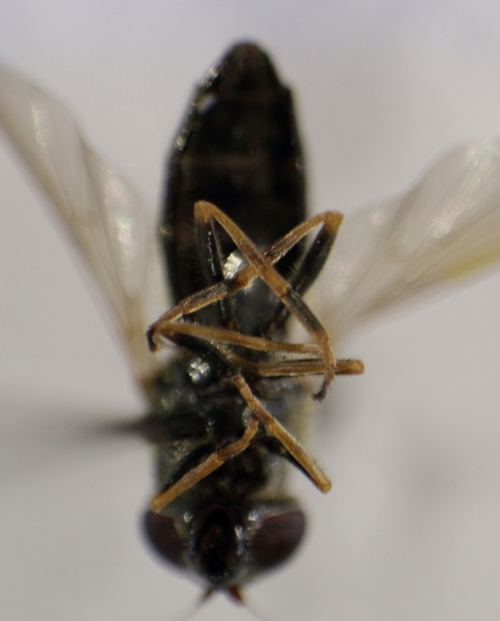 [207.53Kb] |
|
|
|
| Leif Bloss Carstensen |
Posted on 25-01-2018 00:00
|
|
Member Location: Denmark Posts: 31 Joined: 15.09.14 |
-
Leif Bloss Carstensen attached the following image: 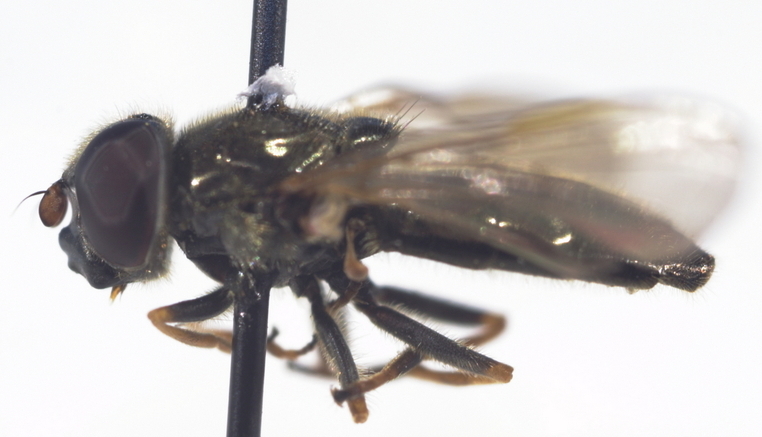 [217.88Kb] |
|
|
|
| Robert Zoralski |
Posted on 30-01-2018 18:38
|
|
Member Location: Gdansk, Poland Posts: 173 Joined: 20.08.06 |
Hi Leif, I see you present most difficult specimens from your collection  There is one species that could potentially fit your pictures and description - Cheilosia laticornis. But nothing for sure base on pictures. Robert Edited by Robert Zoralski on 30-01-2018 18:41 |
 |
|
| Leif Bloss Carstensen |
Posted on 01-02-2018 18:20
|
|
Member Location: Denmark Posts: 31 Joined: 15.09.14 |
Hi Robert, I’m sure you like challenges. If not, you would not identify hoverflies. And the Cheilosia is not the easiest genus. In this case, I can look at a specimen at various angles; you only have not too sharp pictures.  C. laticornis would be great and the first for Denmark. I checked my female with the description in the Swedish book “Nationalnyckeln”. Some features fit the description, for instance a third antennal segment with dark rim at the end and top. However, there are 5 black bristles (one broken off) and a few yellow ones. There are hardly any black hairs on tergites 3 and 4. Sternite 2 has long light hairs. Maybe it is impossible to identify this specimen. Br Lei |
|
|
|
| Robert Zoralski |
Posted on 01-02-2018 19:54
|
|
Member Location: Gdansk, Poland Posts: 173 Joined: 20.08.06 |
Characters like number of bristles, colour and shape of antennae, color and length of hairs on abdomen of many Cheilosia females is variable, but. e.g. tibiae almost without dark ring (as visible on your pictures), even being also a bit variable, is not really so common in Cheilosia. Most females of Cheilosia urbana (having longer hairs on eyes, generally early spring species, smaller) and some of C. frontalis (generally with some hairs on the face, smaller) have it - but it is in my opinion not what's on your pictures. You could also consider C. psilophthalma. Its females are generally a bit smaller than 8mm and have longer hairs on eyes, but who knows. Check claws. R. Edited by Robert Zoralski on 01-02-2018 20:05 |
|
|
|
| Leif Bloss Carstensen |
Posted on 07-02-2018 21:31
|
|
Member Location: Denmark Posts: 31 Joined: 15.09.14 |
I checked the claws. They are partly black. Inspired by our article on C. uviformis in Poland, I will make a spreadsheet to compare the female in this thread with females with almost no ring on tibia. Maybe we can get closer to an identification, or maybe this female is so variable that it is impossible to identify it. What still puzzles me are the dusting close to the lunula and the shining, but dusted sternites. Leif Bloss Carstensen attached the following image: 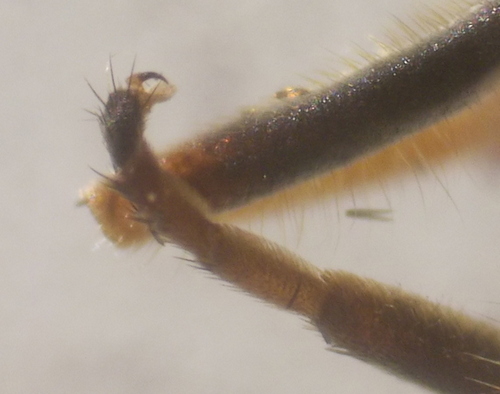 [132.15Kb] |
|
|
|
| Leif Bloss Carstensen |
Posted on 07-02-2018 21:32
|
|
Member Location: Denmark Posts: 31 Joined: 15.09.14 |
-
Leif Bloss Carstensen attached the following image: 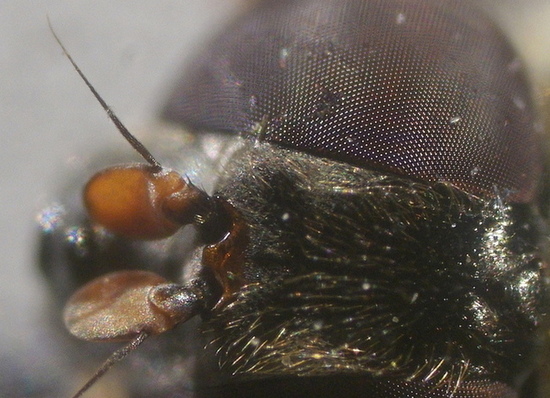 [170.58Kb] |
|
|
|
| Jump to Forum: |