


Diptera.info :: Identification queries :: Diptera (adults)
 Tachinid for ID, C Spain
|
|
| Piluca_Alvarez |
Posted on 28-04-2012 22:33
|
 Member Location: Madrid, Spain Posts: 2431 Joined: 06.11.10 |
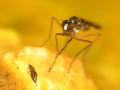
Taken on a path by a lake in the outskirts of Madrid on the 10th March 2012. Any ideas? Thanks!! 
Piluca_Alvarez attached the following image: 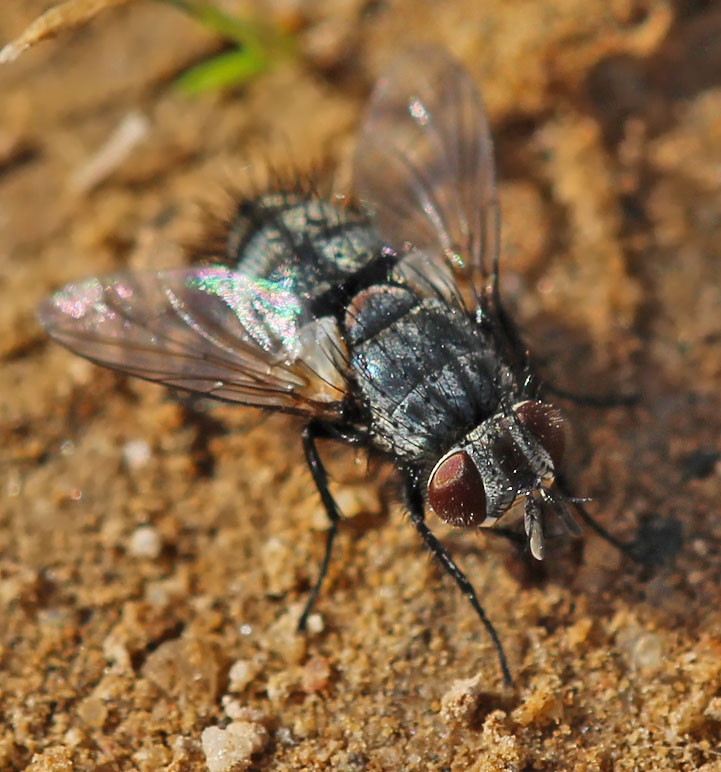 [149.84Kb] |
|
|
|
| Piluca_Alvarez |
Posted on 28-04-2012 22:34
|
|
Member Location: Madrid, Spain Posts: 2431 Joined: 06.11.10 |
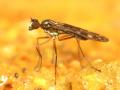
Another view.
Piluca_Alvarez attached the following image: 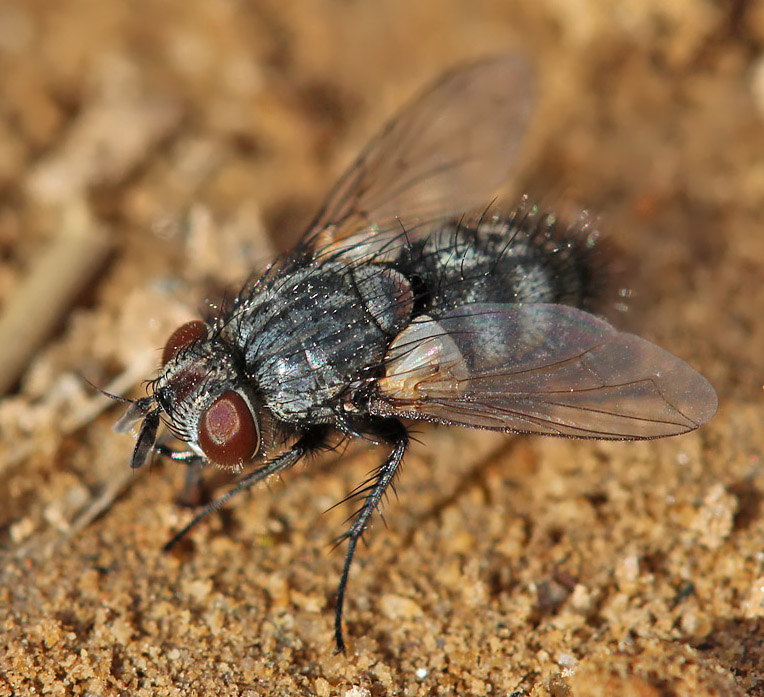 [177.96Kb] |
|
|
|
| Piluca_Alvarez |
Posted on 28-04-2012 22:35
|
|
Member Location: Madrid, Spain Posts: 2431 Joined: 06.11.10 |
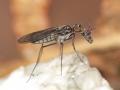
A detail of the head. There are loads of more pictures if more detail of the fly is required.
Piluca_Alvarez attached the following image: 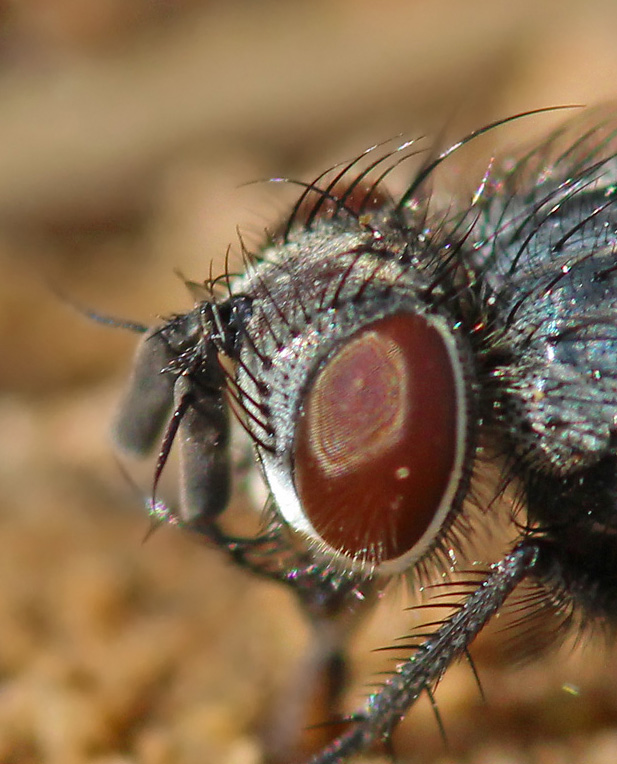 [176.71Kb] |
|
|
|
| ChrisR |
Posted on 28-04-2012 23:53
|
 Super Administrator Location: Reading, England Posts: 7706 Joined: 12.07.04 |
Something like Phryxe vulgaris perhaps? Too difficult really to say without a specimen.
Manager of the UK Species Inventory in the Angela Marmont Centre for UK Biodiversity at the Natural History Museum, London. |
 |
|
| Piluca_Alvarez |
Posted on 29-04-2012 10:09
|
|
Member Location: Madrid, Spain Posts: 2431 Joined: 06.11.10 |
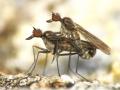
Thanks anyway, Chris You don't have any idea how much I appreciate even a hint  I don't expect miracles but when they are so cooperative it is worth to try I don't expect miracles but when they are so cooperative it is worth to try  Sorry, no specimen  but I am showing you a detail of an area that looks rather peculiar: the excavation can be seen, loads of discal bristles con T3 and T4 and an upright curved bristle (the other seems to be missing) on the most apical part of the scutellum. but I am showing you a detail of an area that looks rather peculiar: the excavation can be seen, loads of discal bristles con T3 and T4 and an upright curved bristle (the other seems to be missing) on the most apical part of the scutellum.Just in case it is of any help and fits with Phryxe vulgaris If I can get the genus for sure I will be very, very happy
Piluca_Alvarez attached the following image: 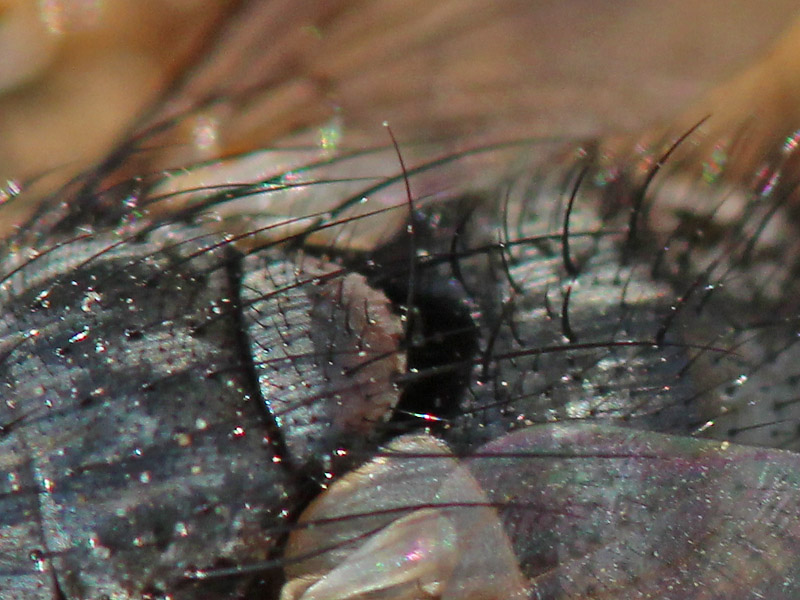 [158.87Kb] |
|
|
|
| ChrisR |
Posted on 29-04-2012 10:32
|
|
Super Administrator Location: Reading, England Posts: 7706 Joined: 12.07.04 |
Well, the raised, crossed apical scutellars on an orange-tipped scutellum, along with other features does point towards Phryxe and the blue-grey parafrontal would suggest vulgaris but this is all very vague and shouldn't be considered a good identification by any means
Manager of the UK Species Inventory in the Angela Marmont Centre for UK Biodiversity at the Natural History Museum, London. |
|
|
|
| Piluca_Alvarez |
Posted on 29-04-2012 10:53
|
|
Member Location: Madrid, Spain Posts: 2431 Joined: 06.11.10 |
Thanks, Chris!! I so much appreciate the hints and the effort. What you tell me is much better than 'Exoristinae' which is the most I can could go further all by myself  |
|
|
|
| Jump to Forum: |