


Diptera.info :: Identification queries :: Diptera (adults)
 Chironomus (Camptochironomus) cf. tentans, northern Norway
|
|
| Geir79 |
Posted on 07-02-2012 18:42
|
|
Member Location: Norway Posts: 689 Joined: 09.03.11 |
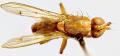
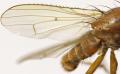
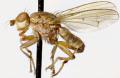
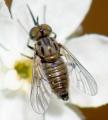
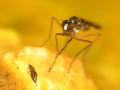
This is one of about 20+ species of Chironomidae I've photographed in 2011. Maybe Chironomidae is not possible to identify from photos? Will try this one though, much bigger than other Chironomidae I've seen, maybe it makes it easier... Size is approx. 10-11 mm, photographed in Bodø, northern Norway. Seemed to be swarming around small, shallow pounds, close to the ocean. Date is 10.06.2011 Geir79 attached the following image: 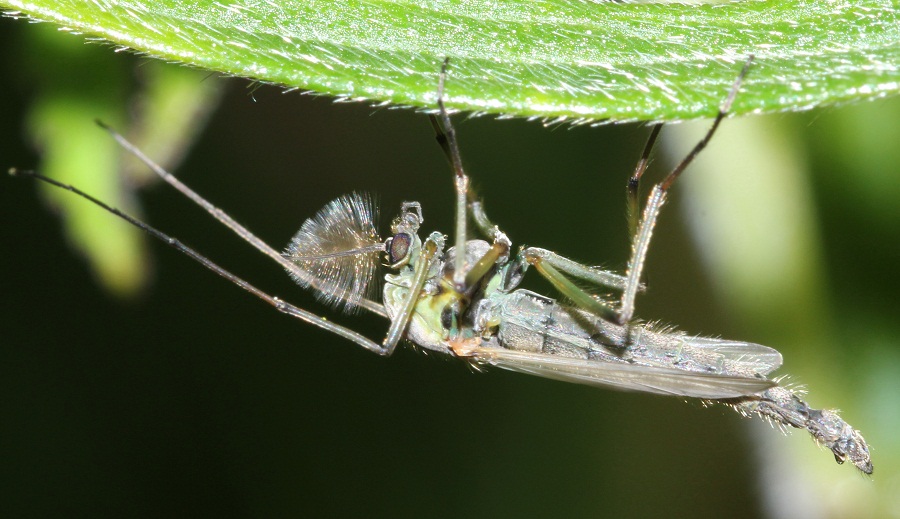 [153.27Kb] Edited by Geir79 on 07-02-2012 23:47 |
|
|
|
| Geir79 |
Posted on 07-02-2012 18:43
|
|
Member Location: Norway Posts: 689 Joined: 09.03.11 |
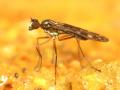
Second (this is probably another individual! hope they are the same species)
Geir79 attached the following image: 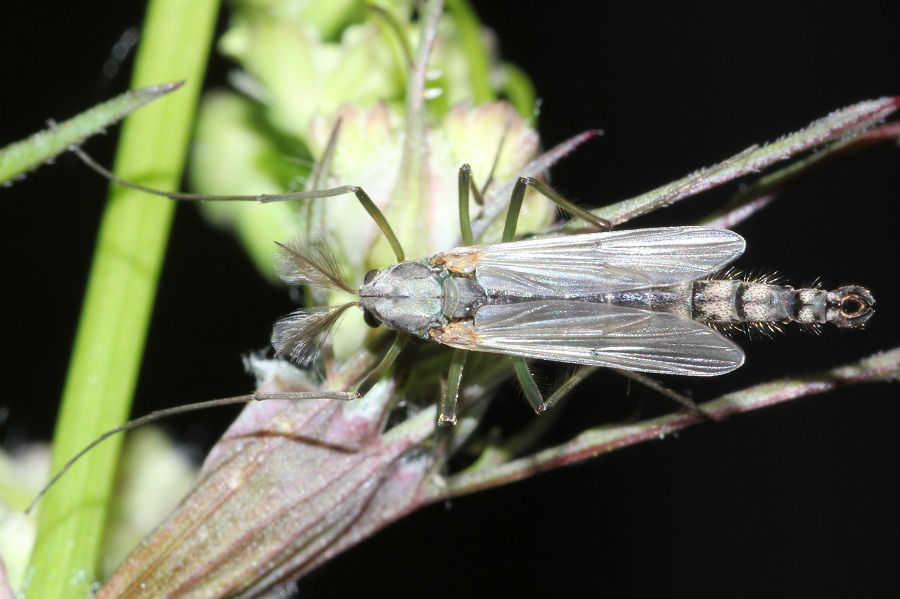 [144.95Kb] |
|
|
|
| John Carr |
Posted on 07-02-2012 18:48
|
 Super Administrator Location: Colorado, USA Posts: 10658 Joined: 22.10.10 |
Chironomus (Camptochironomus). It does not look like C. tentans but could be a color variant. I am not familiar with the other described European species C. pallidivittatus (Holarctic; type locality North America). A dorsal closeup of the male genitalia may distinguish them.
Edited by John Carr on 07-02-2012 18:48 |
 |
|
| Geir79 |
Posted on 07-02-2012 18:59
|
|
Member Location: Norway Posts: 689 Joined: 09.03.11 |
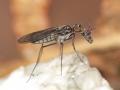
Close up from the second photo (not collected any Chironomidae, don't have the literature to identify them). It's the highest resolution possible with my 105 mm lens... Geir79 attached the following image: 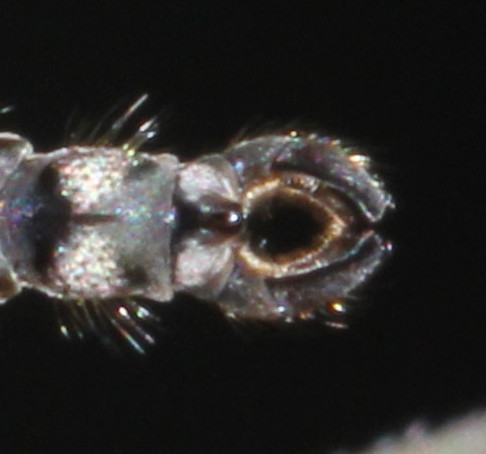 [40.31Kb] |
|
|
|
| John Carr |
Posted on 07-02-2012 19:27
|
|
Super Administrator Location: Colorado, USA Posts: 10658 Joined: 22.10.10 |
More likely Chironomus tentans. This is C. dilutus which is reliably distinguishable from tentans only by range or cytology:  In C. pallidivittatus the triangular lobes on either side of the anal point are about as long as their basal width. In C. tentans they are less than half as long as their basal width. See also: http://www.geneti.../Sp2l.html After further reading, I'm not sure whether the European species called pallidivittatus is in fact the same as the North American variant given that name by Malloch. See: http://www.spring...088w51x64/ (if only for the editoral comment after the abstract). |
|
|
|
| Geir79 |
Posted on 07-02-2012 20:07
|
|
Member Location: Norway Posts: 689 Joined: 09.03.11 |
Sounds a bit complicated... I've looked up Chironomus pallidivittatus in Fauna Europaea (http://www.faunaeur.org/full_results.php?id=407370), the European and the North American is not the same species...(?) Would Chironomus (Camptochironomus) sp. be the safest ID, or could I write Chironomus tentans in my notes? Only doing this on a hobby basis, not as research. |
|
|
|
| John Carr |
Posted on 07-02-2012 23:32
|
|
Super Administrator Location: Colorado, USA Posts: 10658 Joined: 22.10.10 |
It's probably tentans. Call it Chironomus (Camptochironomus) cf. tentans if you like. For the taxonomic history, see Spies and Saether 2004:29-32 http://www.mapres...t00752.pdf. |
|
|
|
| Geir79 |
Posted on 07-02-2012 23:46
|
|
Member Location: Norway Posts: 689 Joined: 09.03.11 |
Thank you! |
|
|
|
| Jump to Forum: |