


Diptera.info :: Identification queries :: Diptera (adults)
Who is here? 1 guest(s)
 Chloropidae from East Turkey
|
|
| Cesa |
Posted on 05-12-2010 15:39
|
 Member Location: Turkey Posts: 1276 Joined: 13.10.09 |
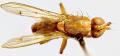
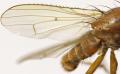
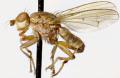
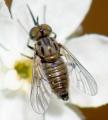
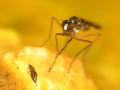
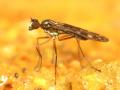
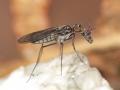
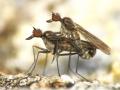
Hello, On 6 June of this year, a male of Thaumatomyia species from East Turkey. I think, it is different from notata. Is its ID possible? Muhabbet Cesa attached the following image: 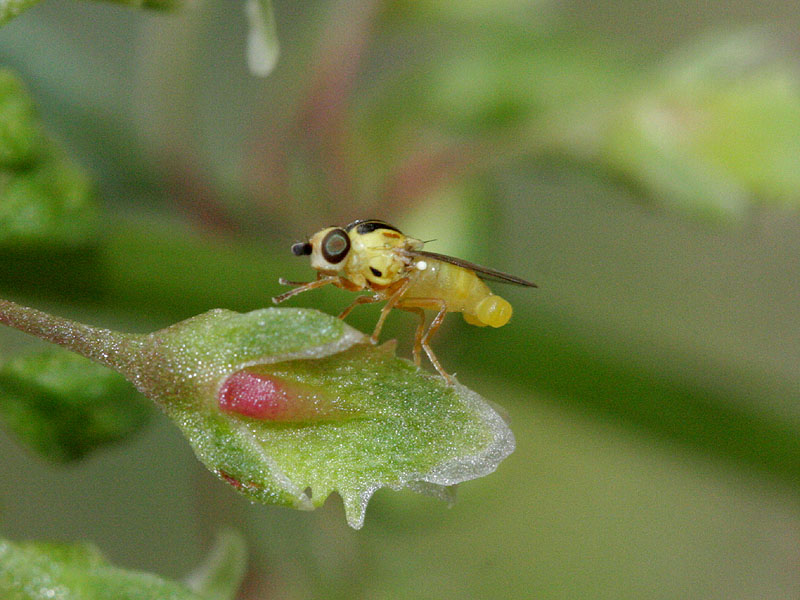 [113.98Kb] Edited by Cesa on 05-12-2010 15:40 |
 |
|
| Cesa |
Posted on 05-12-2010 15:39
|
|
Member Location: Turkey Posts: 1276 Joined: 13.10.09 |
Cesa wrote:
Hello, On 6 June of this year, a Thaumatomyia species from East Turkey. I think, it is different from notata. Is its ID possible? Muhabbet Cesa attached the following image: 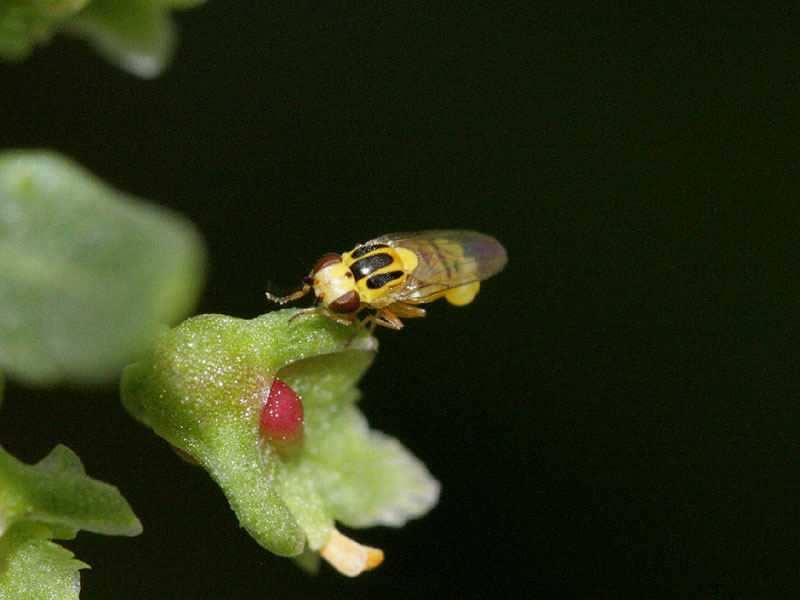 [101.79Kb] |
|
|
|
| Sara21392 |
Posted on 05-12-2010 18:27
|
 Member Location: Posts: 1445 Joined: 07.11.10 |
Hi make sure it's Thaumatomyia notata (male), the sacs in the end of abdomen is clear characteristic for its males.  Sincerely yours Sara |
|
|
|
| Cesa |
Posted on 05-12-2010 19:24
|
|
Member Location: Turkey Posts: 1276 Joined: 13.10.09 |
Thank you Sara. Brown triangular marking between eyes absent in my specimen. In European T.notata, it appears in both sexes. Hasn't it any taxonomical value, for example, at subspecific level? |
|
|
|
| Sara21392 |
Posted on 06-12-2010 07:01
|
|
Member Location: Posts: 1445 Joined: 07.11.10 |
According to this thread that Chloropidae family incomplete identification key, yet; just I can say, maybe, but subspecies for it, no exist to now. I work on this family and recently I found some kinds of this species that as you said, they could be subspecies, but to now they are only one species and said to them T. notata. I still search for them about changes on identification keys.
Sincerely yours Sara |
|
|
|
| Cesa |
Posted on 06-12-2010 07:50
|
|
Member Location: Turkey Posts: 1276 Joined: 13.10.09 |
Thank you Sara for your important information. |
|
|
|
| Sara21392 |
Posted on 16-12-2010 19:04
|
|
Member Location: Posts: 1445 Joined: 07.11.10 |
Again Hi I searched again about Th. notata, and even asked; It is result: Th. notata is a very variable species. The more southern we go, the lighter become this species, especially in dry areas of Africa and the Near East. Partly nearly no black can be seen in the specimens including their antennae. A good character is the following: On the ocellar triangle there are always at least two, sometimes three rows of irregularly positioned interfrontal setulae. And the gena (jowl) is always narrow, different from other species. Both vertical bristles, vte and vti, are well developed, different from other species. This variability lead Cherian in India to describe variations as new species, partly not yet officially synonymized. Best wishes Sincerely yours Sara |
|
|
|
| Jump to Forum: |