


Diptera.info :: Identification queries :: Diptera (adults)
 Geomyza species
|
|
| Klaas |
Posted on 09-08-2010 21:52
|
 Member Location: Posts: 655 Joined: 15.10.08 |
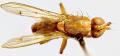
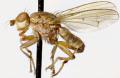
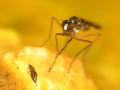
17 july 2010 The Netherlands, Meppel In wet rough vegetation along water 3,3 mm long I found no family for this one Id. on species level possible? Klaas Klaas attached the following image: 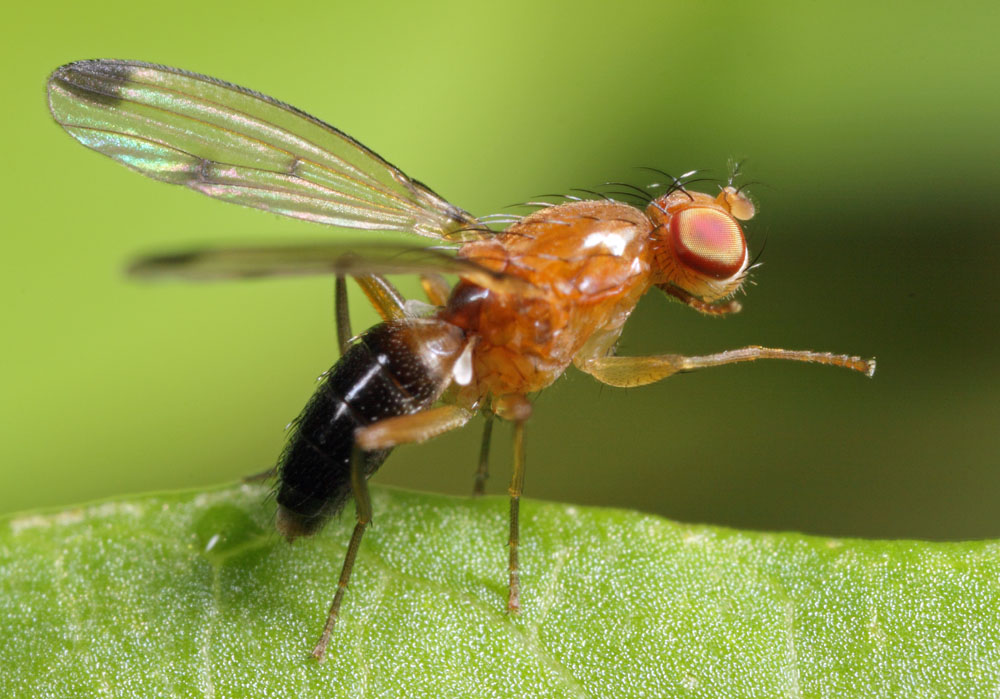 [154.51Kb] Edited by Klaas on 09-08-2010 22:06 |
|
|
|
| Klaas |
Posted on 09-08-2010 21:53
|
|
Member Location: Posts: 655 Joined: 15.10.08 |
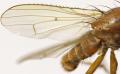
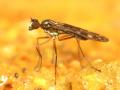
picture 2
Klaas attached the following image: 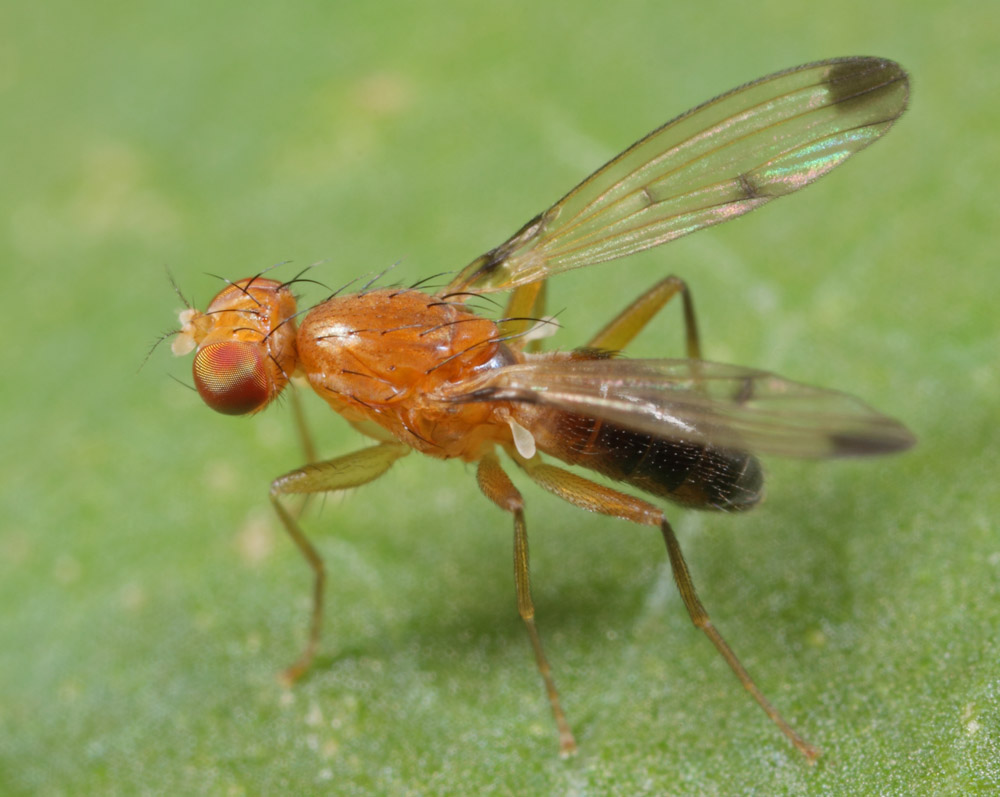 [147.78Kb] |
|
|
|
| paqui |
Posted on 09-08-2010 21:56
|
|
Member Location: Valencia (spain) Posts: 816 Joined: 02.09.05 |
hi, I would try Opomyzidae / Geomyza sp., but let´s wait regards |
|
|
|
| Klaas |
Posted on 09-08-2010 22:08
|
|
Member Location: Posts: 655 Joined: 15.10.08 |
Yes, thank you! I have changed the title Klaas Edited by Klaas on 10-08-2010 18:29 |
|
|
|
| Jan Willem |
Posted on 10-08-2010 06:31
|
 Member Location: Waalwijk, The Netherlands Posts: 2169 Joined: 24.07.04 |
Hello Klaas, To be sure about specimens like this, you need to collect them and study the genitalia. My best guess would be Geomyza hackmani of which we don't have many recordings. However I cannot entirely rule out Geomyza balachowskyi. Did you collect specimens? Jan Willem van Zuijlen |
|
|
|
| Klaas |
Posted on 10-08-2010 19:06
|
|
Member Location: Posts: 655 Joined: 15.10.08 |
Jan Willem wrote: Hello Klaas, To be sure about specimens like this, you need to collect them and study the genitalia. My best guess would be Geomyza hackmani of which we don't have many recordings. However I cannot entirely rule out Geomyza balachowskyi. Did you collect specimens? No, the fly is not available .. Are the two flies you mentioned exactly the same, except for there genitalia? I can't find differences in the pictures in the gallery Klaas |
|
|
|
| Jan Willem |
Posted on 11-08-2010 08:41
|
|
Member Location: Waalwijk, The Netherlands Posts: 2169 Joined: 24.07.04 |
Hello Klaas, In general, the females of G. balachowskyi have a more banded abdomen (but not always). In G. hackmani the part below the scutellum is dark and in G. balachowskyi this is much lighter (in general, but not always). I have seen several exeptions to these "rules". Studying the genitalia can give you a reliable identification. Jan Willem van Zuijlen |
|
|
|
| Mark-uk |
Posted on 11-08-2010 12:21
|
 Member Location: UK - Hampshire Posts: 792 Joined: 01.02.10 |
The folowing is worth having. Drake, C.M. 1993. A review of the British Opomyzidae. British Journal of Entomology and Natural History 6: 159-176. |
|
|
|
| Klaas |
Posted on 11-08-2010 19:51
|
|
Member Location: Posts: 655 Joined: 15.10.08 |
oke, thank you both Klaas |
|
|
|
| Jan Willem |
Posted on 11-08-2010 20:07
|
|
Member Location: Waalwijk, The Netherlands Posts: 2169 Joined: 24.07.04 |
@Mark-uk: Drake 1993 is certainly worth having, but be warned, on page 165 Fig. 5g: G. balachowskyi (?) must be G. hackmani.
Jan Willem van Zuijlen |
|
|
|
| Jump to Forum: |