


Diptera.info :: Identification queries :: Diptera (adults)
 Sarcophagidae (?) of yesterday
|
|
| Jeroen K |
Posted on 29-07-2010 13:40
|
|
Member Location: Kapellen, Belgium Posts: 1141 Joined: 03.04.09 |
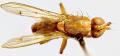
This fly (12 mm) from my garden, Kapellen, Belgium, looks like Sarcophagidae to me. Is genus (Sarcophaga?) or even species possible? I kept the specimen, so pictures can be arranged (I have to buy a ring flash asap because the shadows in the picture are horrible). Thanks in advance!
Jeroen K attached the following image: 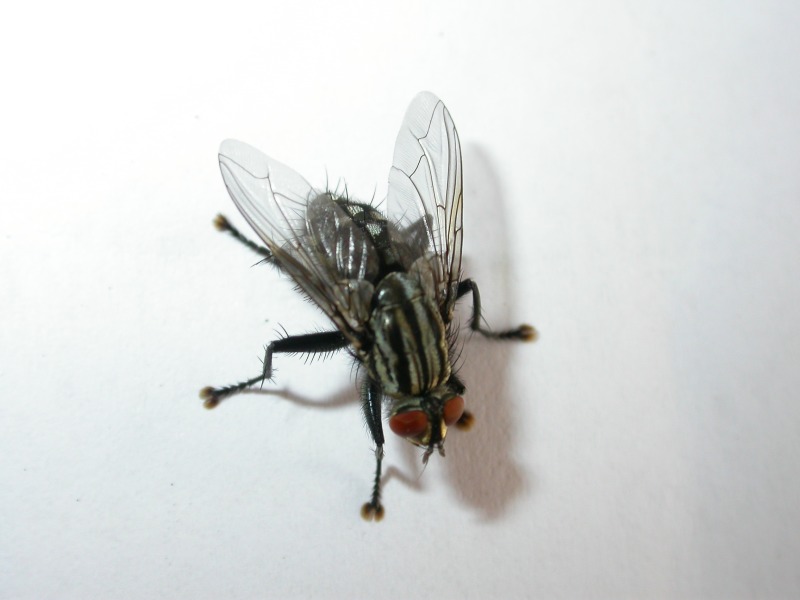 [56.76Kb] |
|
|
|
| Jeroen K |
Posted on 29-07-2010 13:40
|
|
Member Location: Kapellen, Belgium Posts: 1141 Joined: 03.04.09 |
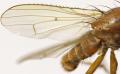
Picture 2:
Jeroen K attached the following image: 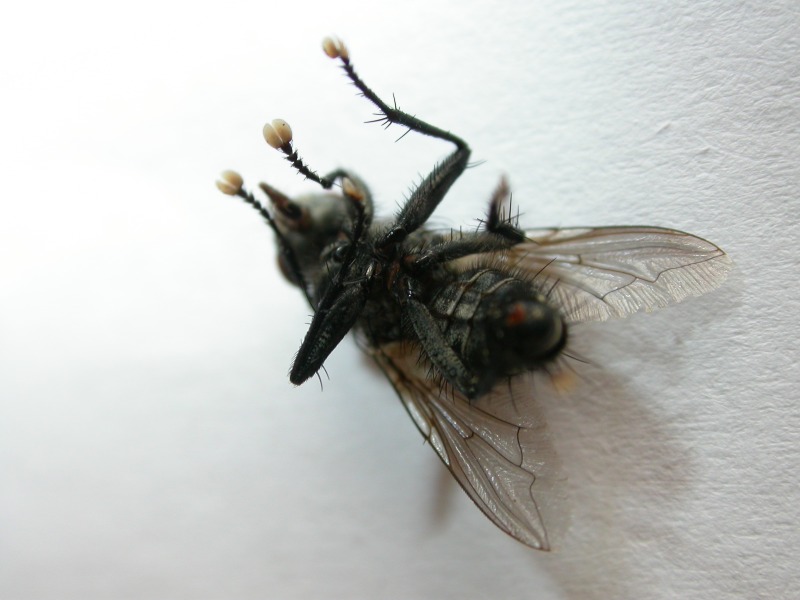 [76.72Kb] |
|
|
|
| Jeroen K |
Posted on 29-07-2010 13:41
|
|
Member Location: Kapellen, Belgium Posts: 1141 Joined: 03.04.09 |
Picture 3 (dorsal):
Jeroen K attached the following image: 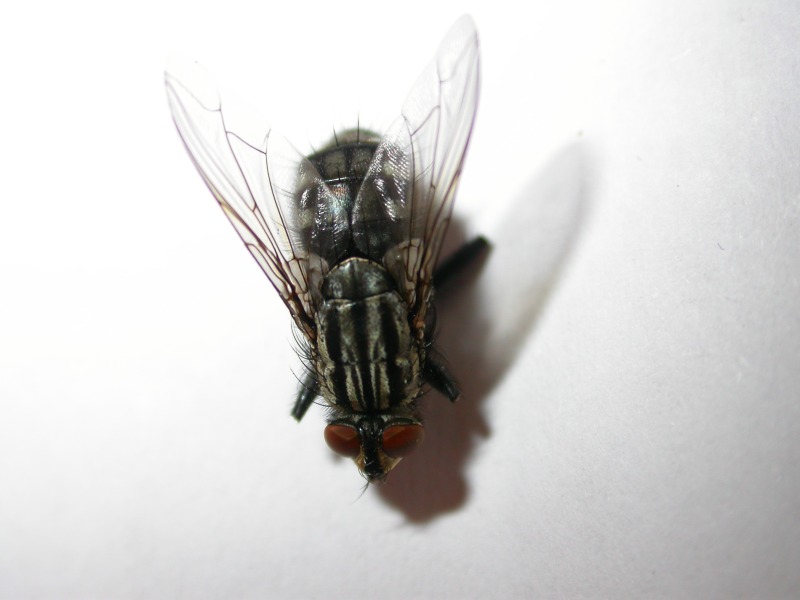 [59.73Kb] |
|
|
|
| Jeroen K |
Posted on 29-07-2010 13:41
|
|
Member Location: Kapellen, Belgium Posts: 1141 Joined: 03.04.09 |
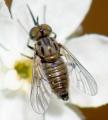
Picture 4 (head):
Jeroen K attached the following image: 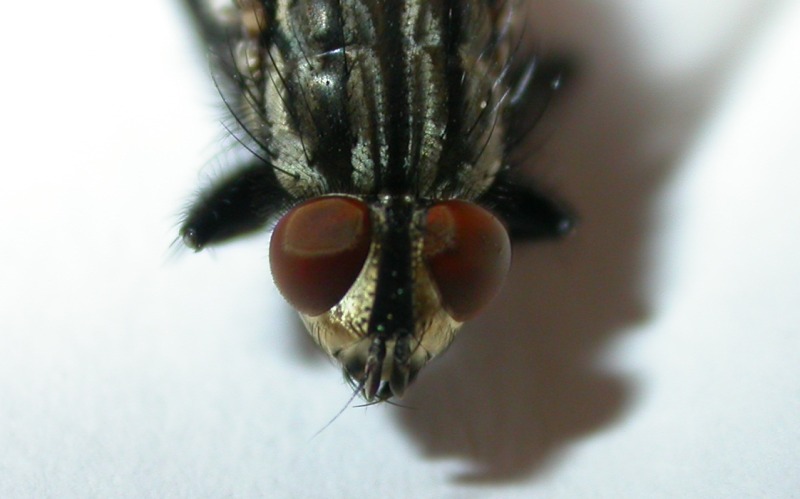 [61.62Kb] |
|
|
|
| Jeroen K |
Posted on 29-07-2010 13:42
|
|
Member Location: Kapellen, Belgium Posts: 1141 Joined: 03.04.09 |
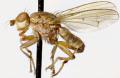
Picture 5 (lateral):
Jeroen K attached the following image: 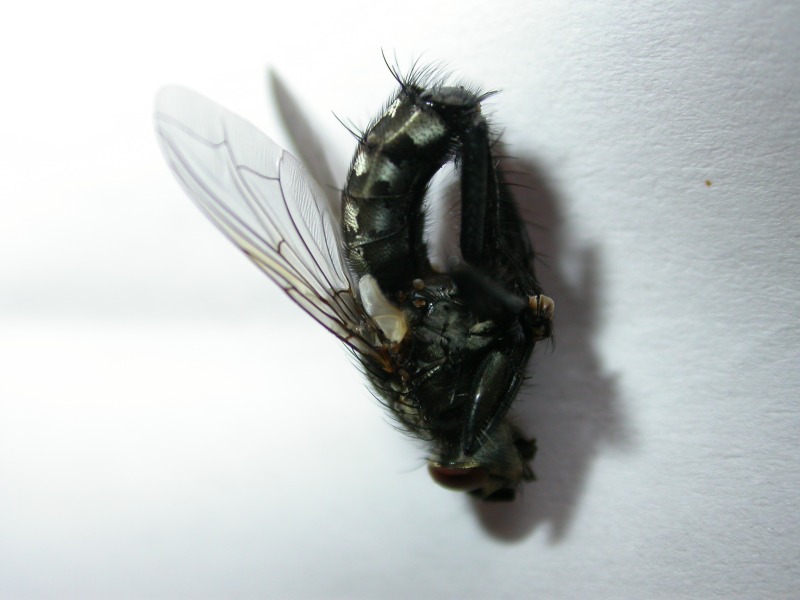 [70.35Kb] |
|
|
|
| Jeroen K |
Posted on 29-07-2010 13:43
|
|
Member Location: Kapellen, Belgium Posts: 1141 Joined: 03.04.09 |
Picture 6 (genitalia):
Jeroen K attached the following image: 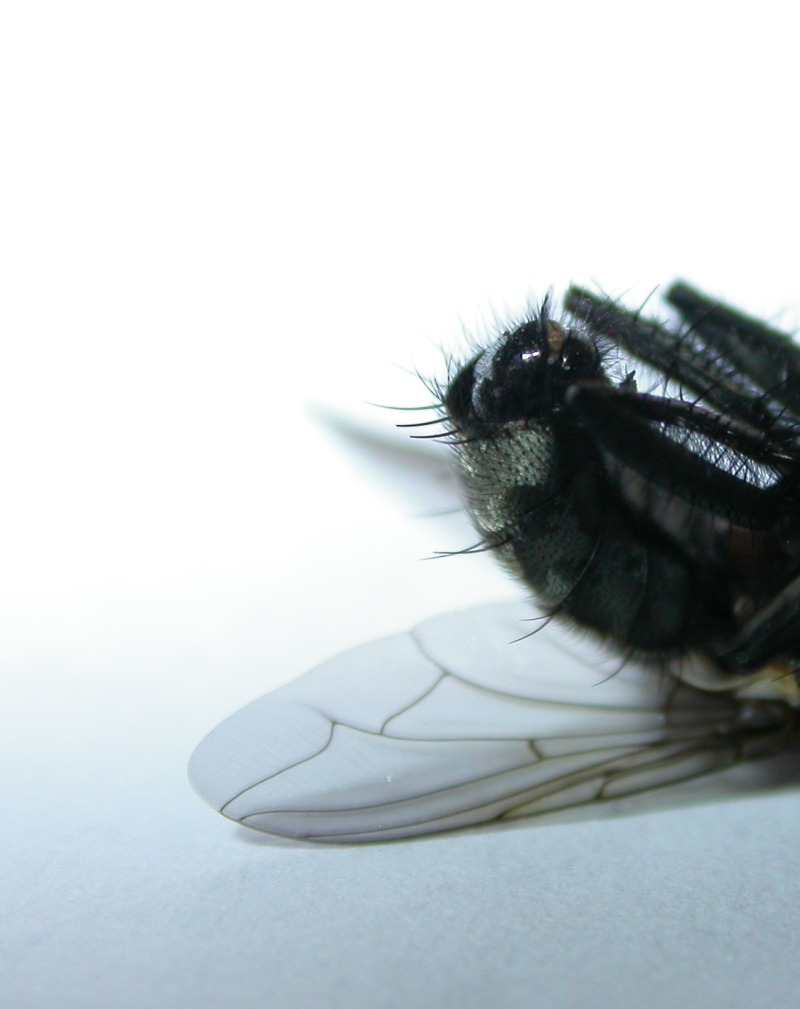 [84.19Kb] |
|
|
|
| ChrisR |
Posted on 29-07-2010 14:05
|
 Super Administrator Location: Reading, England Posts: 7706 Joined: 12.07.04 |
Looks like Sarcophaga carnaria/variegata group to me ... you'd need to extend the male genitalia and hook the parts out to get to species 
Manager of the UK Species Inventory in the Angela Marmont Centre for UK Biodiversity at the Natural History Museum, London. |
 |
|
| Jeroen K |
Posted on 29-07-2010 14:26
|
|
Member Location: Kapellen, Belgium Posts: 1141 Joined: 03.04.09 |
I'm afraid I don't have the equipment to prepare genitalia properly. Anyway, thanks for replying. |
|
|
|
| ChrisR |
Posted on 29-07-2010 14:43
|
|
Super Administrator Location: Reading, England Posts: 7706 Joined: 12.07.04 |
Well, all you need to do is to use some pins to lever out the larger parts, while the fly is still soft (but they do lock inside when dry and can be very hard to extract). The cerci clip inside, like on a Swiss Army Knife and it's the shape of those that determines the species
Edited by ChrisR on 29-07-2010 14:44 Manager of the UK Species Inventory in the Angela Marmont Centre for UK Biodiversity at the Natural History Museum, London. |
|
|
|
| Jeroen K |
Posted on 29-07-2010 19:25
|
|
Member Location: Kapellen, Belgium Posts: 1141 Joined: 03.04.09 |
OK thanks, I'll try. But is this a male? |
|
|
|
| ChrisR |
Posted on 29-07-2010 19:29
|
|
Super Administrator Location: Reading, England Posts: 7706 Joined: 12.07.04 |
Yes, it has the characteristic rounded genital capsule on the end of the abdomen. The bits you need to see are folded under and slightly inside the abdomen. You need the fly to be completely relaxed and soft and then the abdomen can be stretched lengthways a little and some pins can be inserted to lever out the cerci
Manager of the UK Species Inventory in the Angela Marmont Centre for UK Biodiversity at the Natural History Museum, London. |
|
|
|
| Jeroen K |
Posted on 30-07-2010 12:44
|
|
Member Location: Kapellen, Belgium Posts: 1141 Joined: 03.04.09 |
Unfortunately, this specimen was totally dry and stiff, so I ruined it completely while trying. Next time I will try again. Thanks for your explanation.
Edited by Jeroen K on 30-07-2010 12:44 |
|
|
|
| Jump to Forum: |