


Diptera.info :: Identification queries :: Diptera (adults)
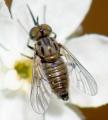
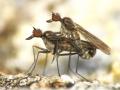
 Tachinidae copula? Cylindromyia rufipes
|
|
| picotverd |
Posted on 08-06-2010 09:28
|
|
Member Location: Posts: 1697 Joined: 28.10.07 |
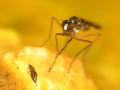
This week, dry land, Lleida, Spain, about 200 m
picotverd attached the following image: 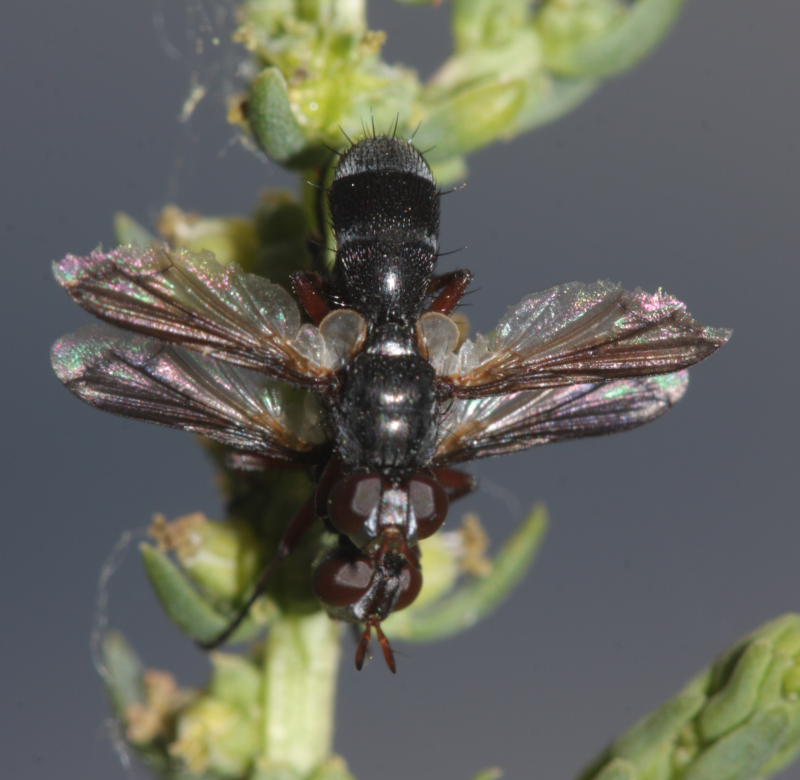 [68.23Kb] Edited by picotverd on 25-08-2010 19:30 |
|
|
|
| Philippe moniotte |
Posted on 08-06-2010 10:05
|
 Member Location: Heron, Belgium Posts: 865 Joined: 14.10.05 |
More like conopidae, it seems to me ... Cheers Philippe A beautiful hypothesis can be slain by an ugly fact. |
|
|
|
| Galeodes33 |
Posted on 08-06-2010 10:10
|
|
Member Location: Madagascar Posts: 49 Joined: 28.05.10 |
Yes, I think it is a Conopidae too. Tachinids are "fatter". |
|
|
|
| ChrisR |
Posted on 08-06-2010 11:03
|
 Super Administrator Location: Reading, England Posts: 7706 Joined: 12.07.04 |
Hmm, they look like tachinids to me - something around Cylindromyia, Lophosia or maybe a Mintho relative ... interesting but would like to see different angles 
Manager of the UK Species Inventory in the Angela Marmont Centre for UK Biodiversity at the Natural History Museum, London. |
 |
|
| picotverd |
Posted on 08-06-2010 12:00
|
|
Member Location: Posts: 1697 Joined: 28.10.07 |
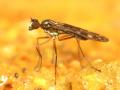
Sorry but very windy...
picotverd attached the following image: 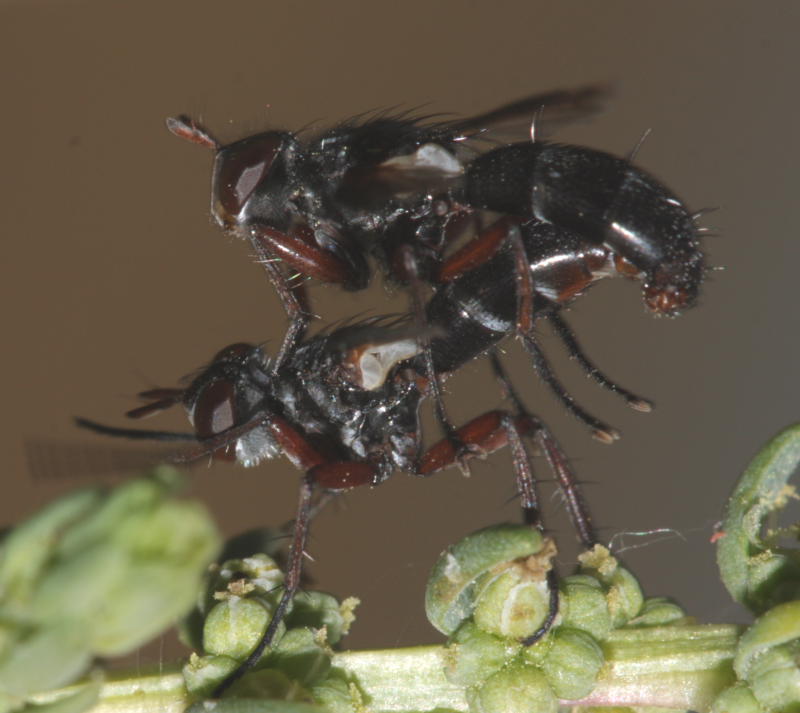 [64.22Kb] |
|
|
|
| picotverd |
Posted on 08-06-2010 12:00
|
|
Member Location: Posts: 1697 Joined: 28.10.07 |
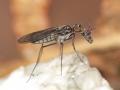
another
picotverd attached the following image: 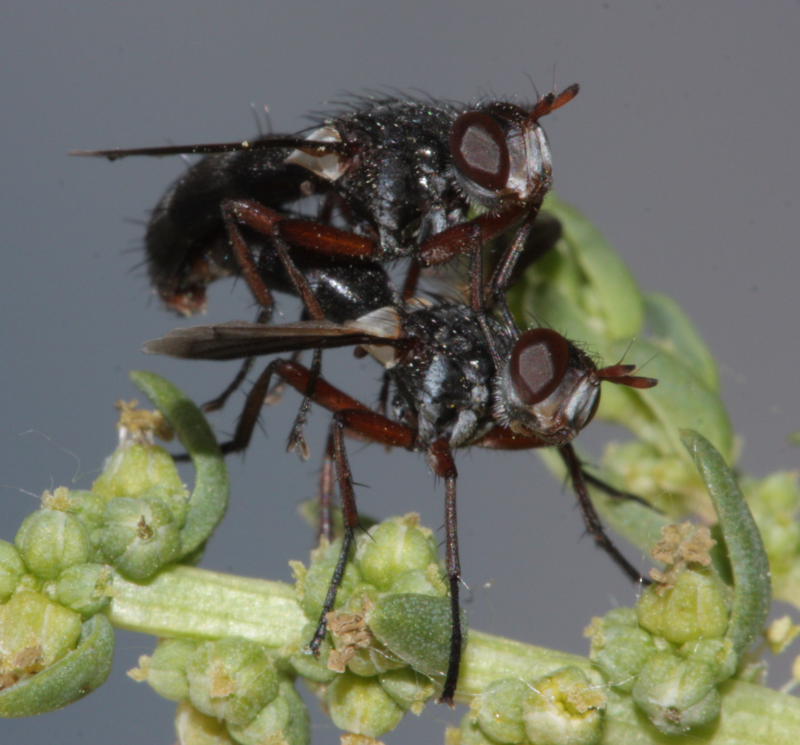 [76.38Kb] |
|
|
|
| Paul Beuk |
Posted on 08-06-2010 12:13
|
 Super Administrator Location: Netherlands Posts: 19403 Joined: 11.05.04 |
Of course these are tachinids. Wing venation is completely off for conopids. General built reminds me of Cylindromyia.
Paul - - - - Paul Beuk on https://diptera.info |
|
|
|
| ChrisR |
Posted on 08-06-2010 12:32
|
|
Super Administrator Location: Reading, England Posts: 7706 Joined: 12.07.04 |
Yes, now it looks more like Cylindromyia rufipes but I'm not sure if there are alternatives in your region
Manager of the UK Species Inventory in the Angela Marmont Centre for UK Biodiversity at the Natural History Museum, London. |
|
|
|
| picotverd |
Posted on 08-06-2010 12:37
|
|
Member Location: Posts: 1697 Joined: 28.10.07 |
At least: C. rufipes, brevicornis, pilipes, xylotina, crassa, scapularis, aurora and rubida. I have excluded the specs that i can see at the gallery and don't feet. Thanks Edited by picotverd on 08-06-2010 12:38 |
|
|
|
| ChrisR |
Posted on 08-06-2010 13:04
|
|
Super Administrator Location: Reading, England Posts: 7706 Joined: 12.07.04 |
I can also exclude C.brevicornis and C.pilipes - I have those in my collection and they have a lot of red on the abdomen  I think C.rufipes is one of the only ones with an entirely black abdomen but I am just not 100% sure if it is *the* only one. I think C.rufipes is one of the only ones with an entirely black abdomen but I am just not 100% sure if it is *the* only one.
Manager of the UK Species Inventory in the Angela Marmont Centre for UK Biodiversity at the Natural History Museum, London. |
|
|
|
| Zeegers |
Posted on 21-06-2010 12:14
|
|
Member Location: Soest, NL Posts: 19299 Joined: 21.07.04 |
Yes, it is unbelievable but true, there are easy Cylindromyia's, like these rufipes (as long as you stay in Europe, see my note in the Yemen publication). Theo |
|
|
|
| Jump to Forum: |