

Diptera.info :: Identification queries :: Diptera (adults)
 Hybotidae, E-HU, 04.2010
|
|
| pwalter |
Posted on 28-04-2010 22:05
|
 Member Location: Miskolc, Hungary Posts: 3555 Joined: 06.11.08 |
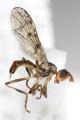
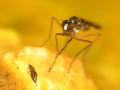
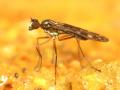
Hi, can this be determined? It was 2.3 mm long, in Debrecen, near the plains, in forest, on Acer platanoides flower.
pwalter attached the following image: 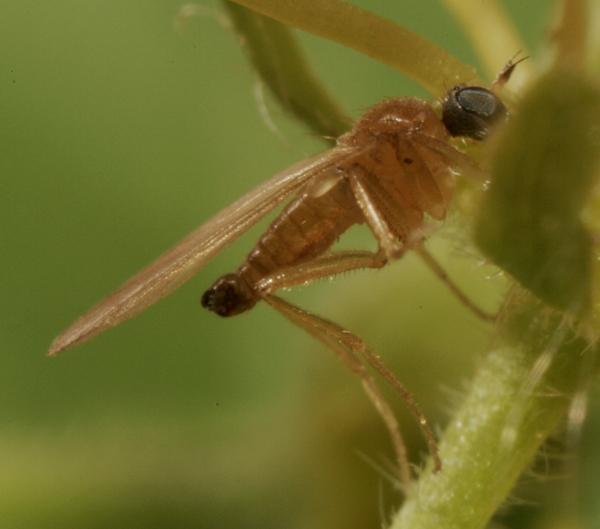 [73.98Kb] Walter Pfliegler - Amateur Nature Photographer from Hungary (and molecular biologist) |
|
|
|
| pwalter |
Posted on 28-04-2010 22:06
|
|
Member Location: Miskolc, Hungary Posts: 3555 Joined: 06.11.08 |
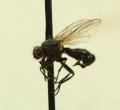
2
pwalter attached the following image: 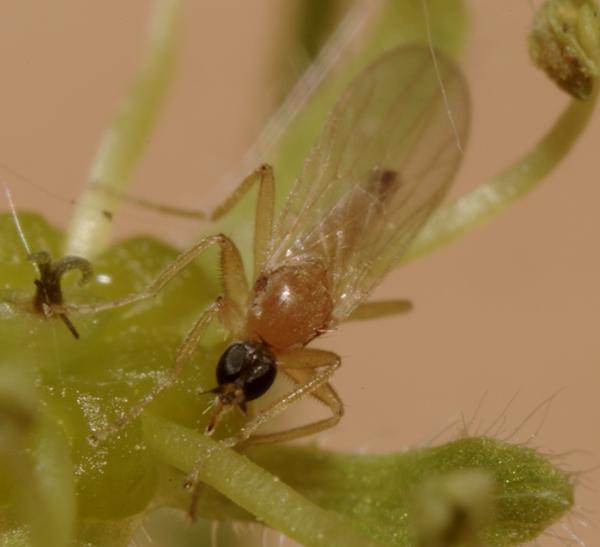 [76.94Kb] Walter Pfliegler - Amateur Nature Photographer from Hungary (and molecular biologist) |
|
|
|
| pwalter |
Posted on 28-04-2010 22:06
|
|
Member Location: Miskolc, Hungary Posts: 3555 Joined: 06.11.08 |
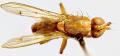
3
pwalter attached the following image: 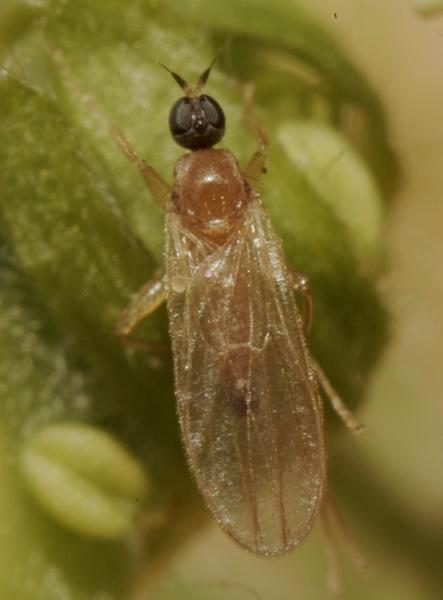 [75.93Kb] Walter Pfliegler - Amateur Nature Photographer from Hungary (and molecular biologist) |
|
|
|
| Paul Beuk |
Posted on 29-04-2010 07:48
|
 Super Administrator Location: Netherlands Posts: 19403 Joined: 11.05.04 |
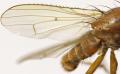
Platypalpus, but the species I can tell not. There are just too many details that are slightly out of focus or unvisible to identify it. Some visible characters point in one direction, others point in yet another direction. P. exilis is one of the more common yellow species but, like several other yellow species, it should have very dark last tarsal segments. Other species are ruled out because the colour of the antennae does not match, the relative length of the third antennal segment and the arista are off, etc. If you have a specimen, now, then I can deal with it.
Paul - - - - Paul Beuk on https://diptera.info |
 |
|
| pwalter |
Posted on 29-04-2010 07:56
|
|
Member Location: Miskolc, Hungary Posts: 3555 Joined: 06.11.08 |
Hi, I have 3 specimens! Will send You one or 2 later. Regards, Walter
Walter Pfliegler - Amateur Nature Photographer from Hungary (and molecular biologist) |
|
|
|
| Paul Beuk |
Posted on 29-04-2010 08:59
|
|
Super Administrator Location: Netherlands Posts: 19403 Joined: 11.05.04 |
If you have male and female... Some of the yellow species are sexually dimorphic and if this species is, well, it might help us a good deal in identifying the species. and if this species is, well, it might help us a good deal in identifying the species.
Paul - - - - Paul Beuk on https://diptera.info |
|
|
|
| Jump to Forum: |