

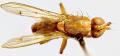
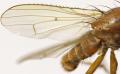
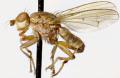

Diptera.info :: Family forums :: Asilidae Forum
 Asilidae
|
|
| Tony Wills |
Posted on 02-02-2009 06:31
|
|
Member Location: Posts: 9 Joined: 01.02.09 |
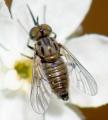
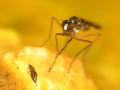
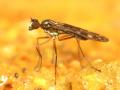
Someone has suggested that this is a ''Cerdistus'' species but I am now thinking it is more likely to be ''Neoitamus melanopogon''. This was photographed in mid summer, Wellington, New Zealand. They are quite common at the moment and quite bold (approx. 15mm long). Also any suggestions as to what the prey might be? :-) (Sorry, first post here, should identification queries be posted here or in the "Asilidae Forum"?) PS Sorry for the photo quality, but this was about midnight and it was sitting on the main lightbulb in the room (which was switched off otherwise all you would see is the bulb!), expousre time about 0.8 of a second. Tony Wills attached the following image: 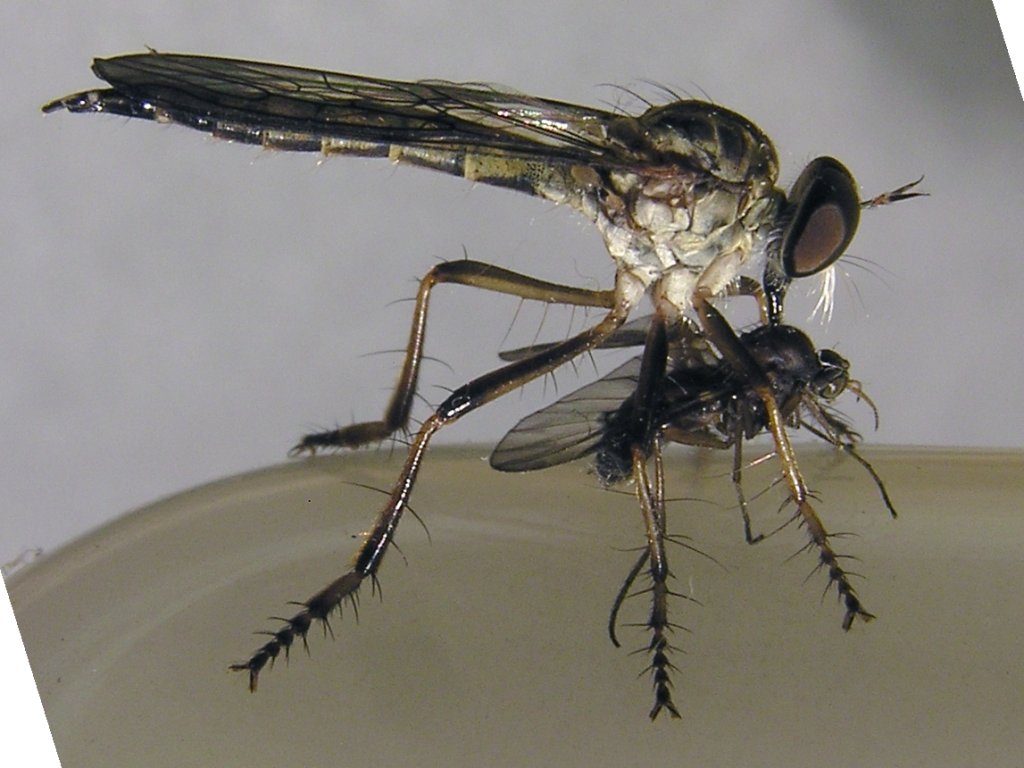 [105.47Kb] Edited by Tony Wills on 02-02-2009 10:11 |
|
|
|
| Roger Thomason |
Posted on 02-02-2009 06:50
|
 Member Location: Mossbank,Shetland Isles. Posts: 5269 Joined: 17.07.08 |
Asilidae Forum..but I suppose here for the prey  |
|
|
|
| Paul Beuk |
Posted on 02-02-2009 07:48
|
 Super Administrator Location: Netherlands Posts: 19403 Joined: 11.05.04 |
The prey, I presume, is Anisopodidae...
Paul - - - - Paul Beuk on https://diptera.info |
 |
|
| Tony Wills |
Posted on 02-02-2009 10:05
|
|
Member Location: Posts: 9 Joined: 01.02.09 |
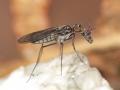
Paul Beuk wrote: The prey, I presume, is Anisopodidae... Thanks for that, I didn't remember it as being gnat like, but proportioned more like a common house fly (but a lot smaller). But the photo shows it better than my eyesight did :-). All I can say is that it had greenish eyes and a black body. Here is another shot which probably just confirms your presumption :-). (I had actually collected the remains after it had been sucked dry for an hour. I intended to take some shots of it in the morning, but by the time I thought about it again I had lost it )-: Tony Wills attached the following image: 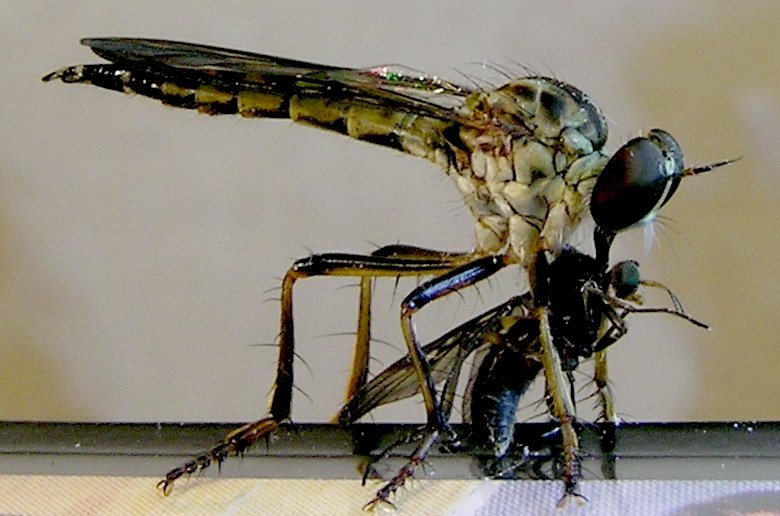 [78.59Kb] |
|
|
|
| Paul Beuk |
Posted on 02-02-2009 10:11
|
|
Super Administrator Location: Netherlands Posts: 19403 Joined: 11.05.04 |
Indeed, Anisopodidae. From the long antennae you can already discern it is a gnat and not a true fly.
Paul - - - - Paul Beuk on https://diptera.info |
|
|
|
| Tony Wills |
Posted on 02-02-2009 10:30
|
|
Member Location: Posts: 9 Joined: 01.02.09 |
Paul Beuk wrote: Indeed, Anisopodidae. From the long antennae you can already discern it is a gnat and not a true fly. I've learnt something :-) Ok, back to the robber/assasin - how do I tell if it is male or female, and what might I look for to narrow down the species? |
|
|
|
| Paul Beuk |
Posted on 02-02-2009 20:22
|
|
Super Administrator Location: Netherlands Posts: 19403 Joined: 11.05.04 |
The gradually tapering abdome tells you this si a female. As to leads for ID, well, I know nothing about NewZ beasties, I am afraid. Perhaps Danny Wolff can be of more help.
Paul - - - - Paul Beuk on https://diptera.info |
|
|
|
| Xespok |
Posted on 02-02-2009 20:51
|
 Member Location: Debrecen, Hungary Posts: 5551 Joined: 02.03.05 |
Female Neoitamus looks good for this robber (long ovipositor, occipital hairs bent in rectangle), but of course I know nothing about NZ flies, and similar genera may be there.
Gabor Keresztes Japan Wildlife Gallery Carpathian Basin Wildlife Gallery |
|
|
|
| Tony Wills |
Posted on 03-02-2009 12:46
|
|
Member Location: Posts: 9 Joined: 01.02.09 |
Paul Beuk wrote: The gradually tapering abdome tells you this si a female. ... Xespok wrote: Female Neoitamus looks good for this robber (long ovipositor, occipital hairs bent in rectangle), ... Thanks for that info. The Neoitamus I suggested is apparently a common NZ resident Asilidae. But I will await further suggestions and inquire locally of other possibilities :-) |
|
|
|
| Tony Wills |
Posted on 04-02-2009 12:25
|
|
Member Location: Posts: 9 Joined: 01.02.09 |
I'm again told that these are probably not the European Neoitamus http://commons.wi...fly_02.jpg by Fritz Geller-Grimm of the Museum Wiesbaden so I suppose his suggestion of Cerdistus species. may be as good as it gets :-)
Edited by Tony Wills on 04-02-2009 12:26 |
|
|
|
| Jump to Forum: |