

Diptera.info :: Identification queries :: Diptera (adults)
 Tachydromia aemula--> confirmed
|
|
| Jogvan F |
Posted on 15-12-2024 16:49
|
|
Member Location: Faroe Islands Posts: 152 Joined: 03.10.24 |
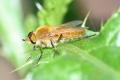
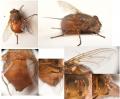
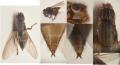
Hi I have only one specimen of this species. Using Chavala, 1969 I end up with Tachydromia aemula. Would someone agree that this is the correct ID. Captured in Faroe Islands. Only Hybotidae species reported from here are Platypalpus nigritarsis and P. longicornis which I also have found in this same habitat (plantation). Thanks Jógvan F Jogvan F attached the following image: 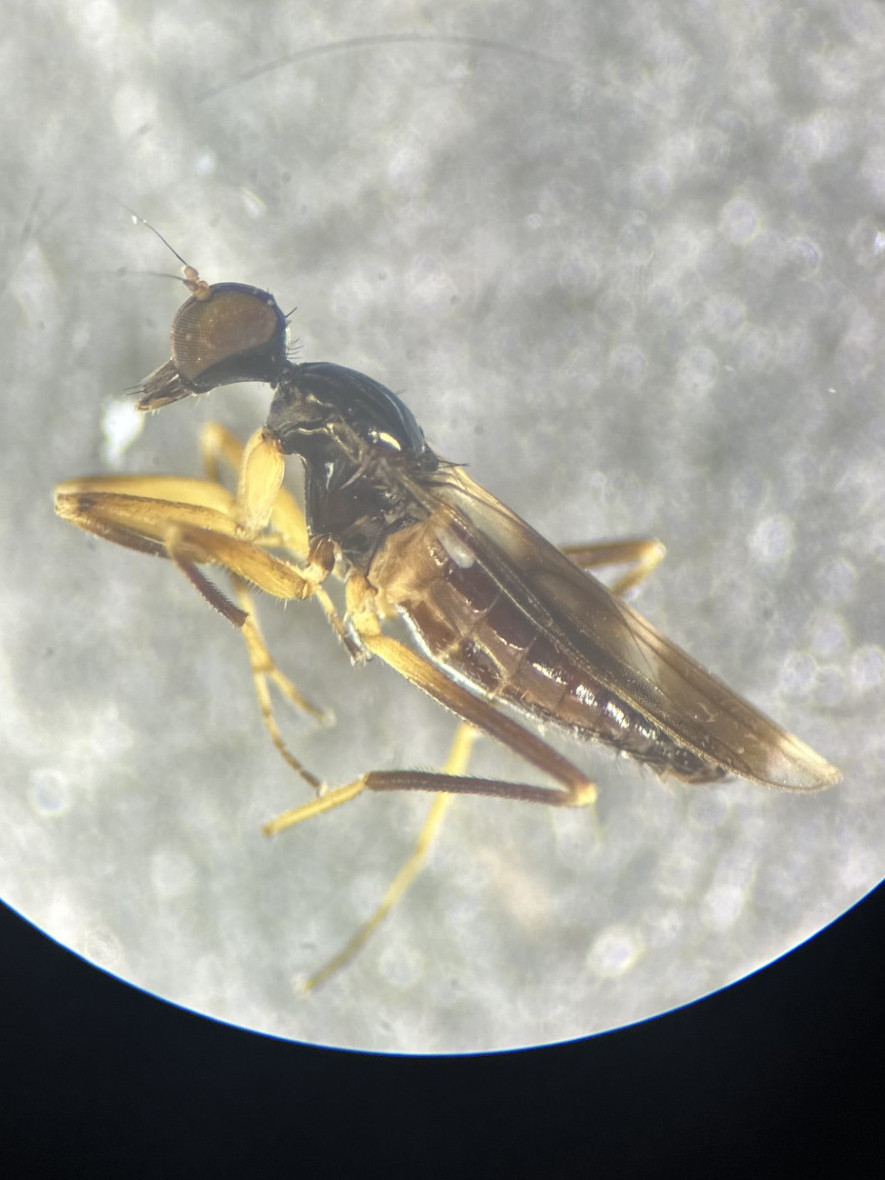 [161.4Kb] Edited by Jogvan F on 02-02-2026 20:34 |
|
|
|
| Jogvan F |
Posted on 15-12-2024 16:49
|
|
Member Location: Faroe Islands Posts: 152 Joined: 03.10.24 |
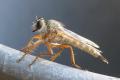
ventral
Jogvan F attached the following image: 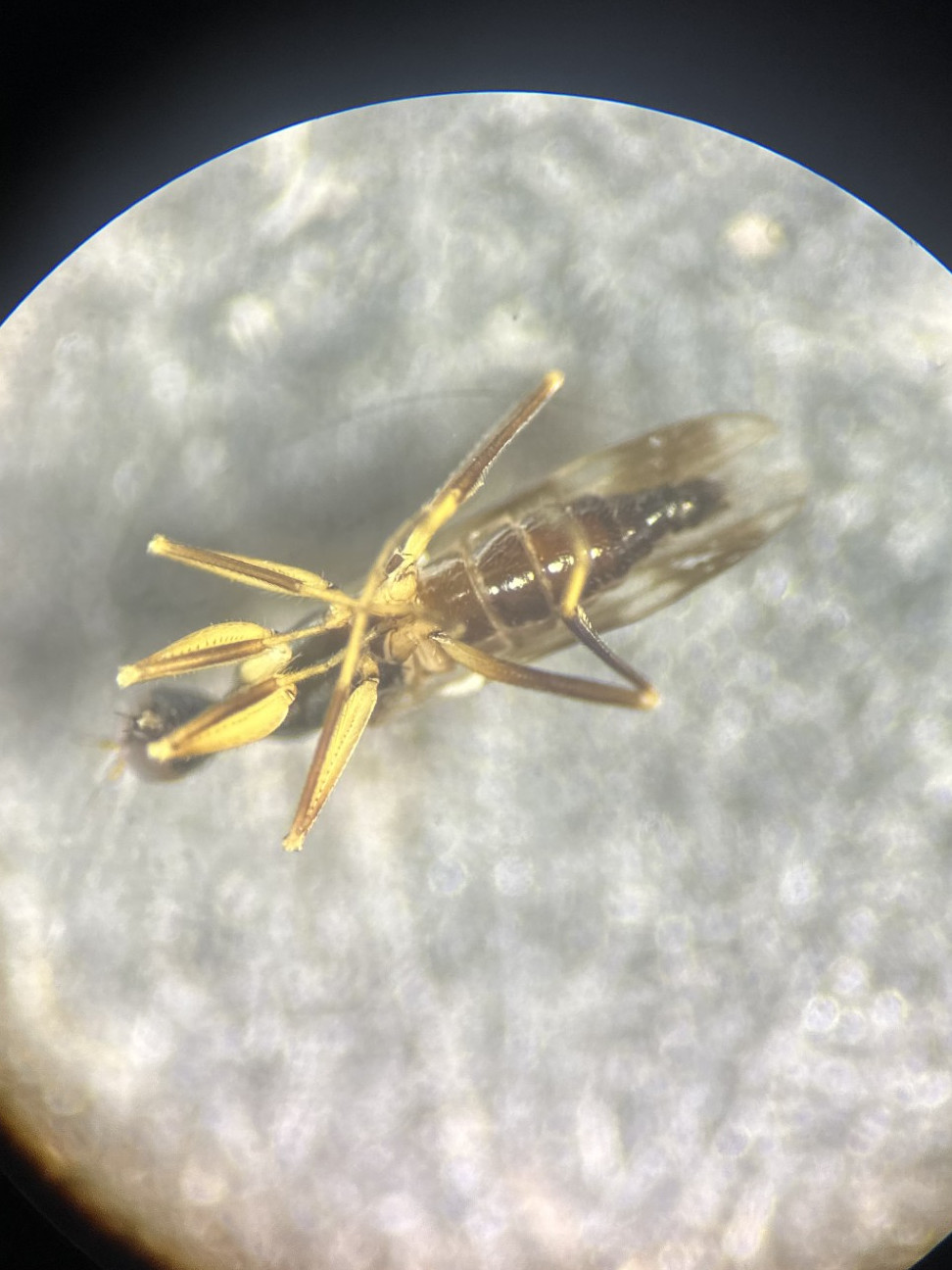 [193.96Kb] |
|
|
|
| Jogvan F |
Posted on 15-12-2024 16:49
|
|
Member Location: Faroe Islands Posts: 152 Joined: 03.10.24 |
.
Jogvan F attached the following image: 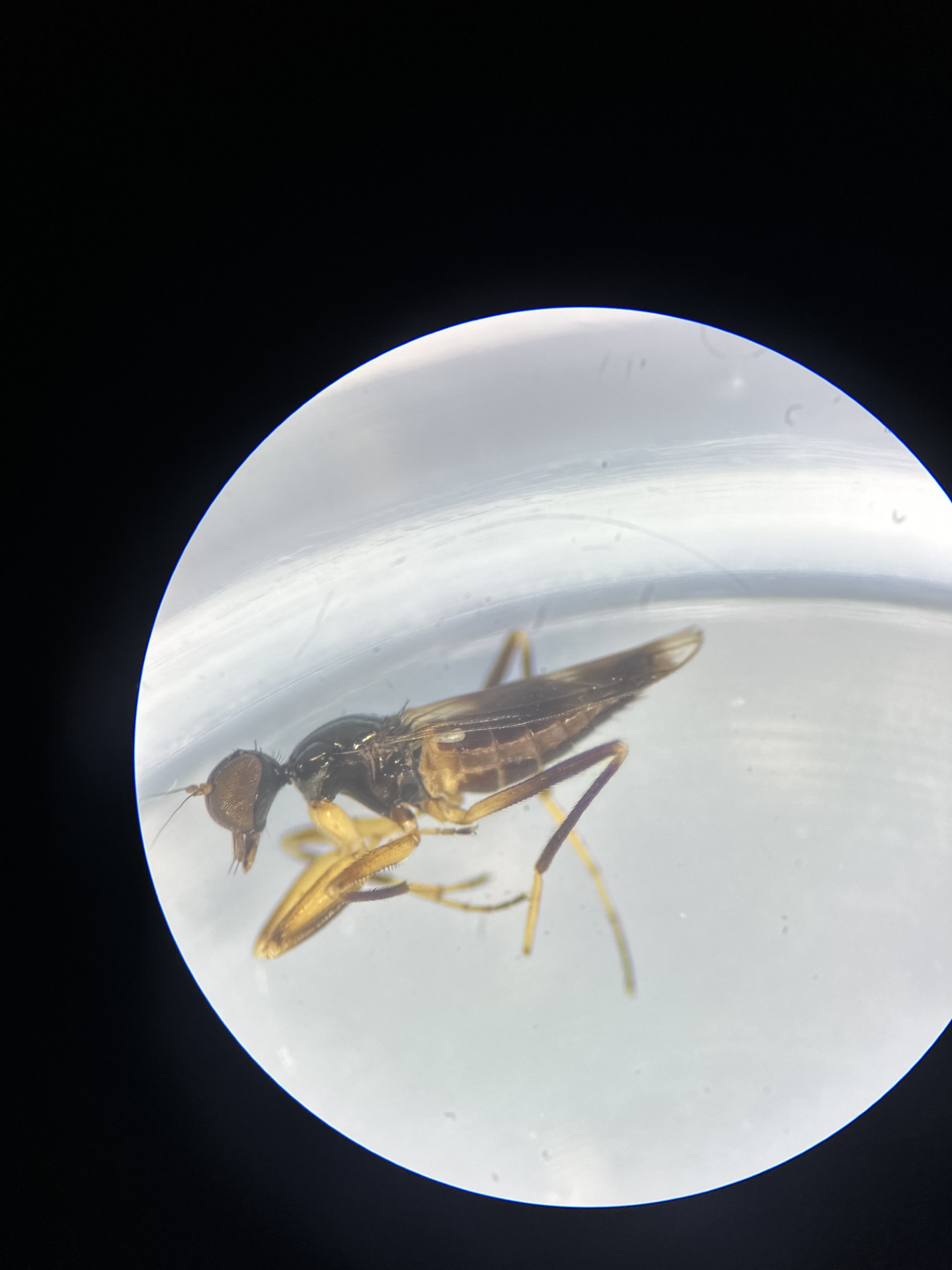 [226.59Kb] |
|
|
|
| Jogvan F |
Posted on 15-12-2024 16:50
|
|
Member Location: Faroe Islands Posts: 152 Joined: 03.10.24 |
.
Jogvan F attached the following image: 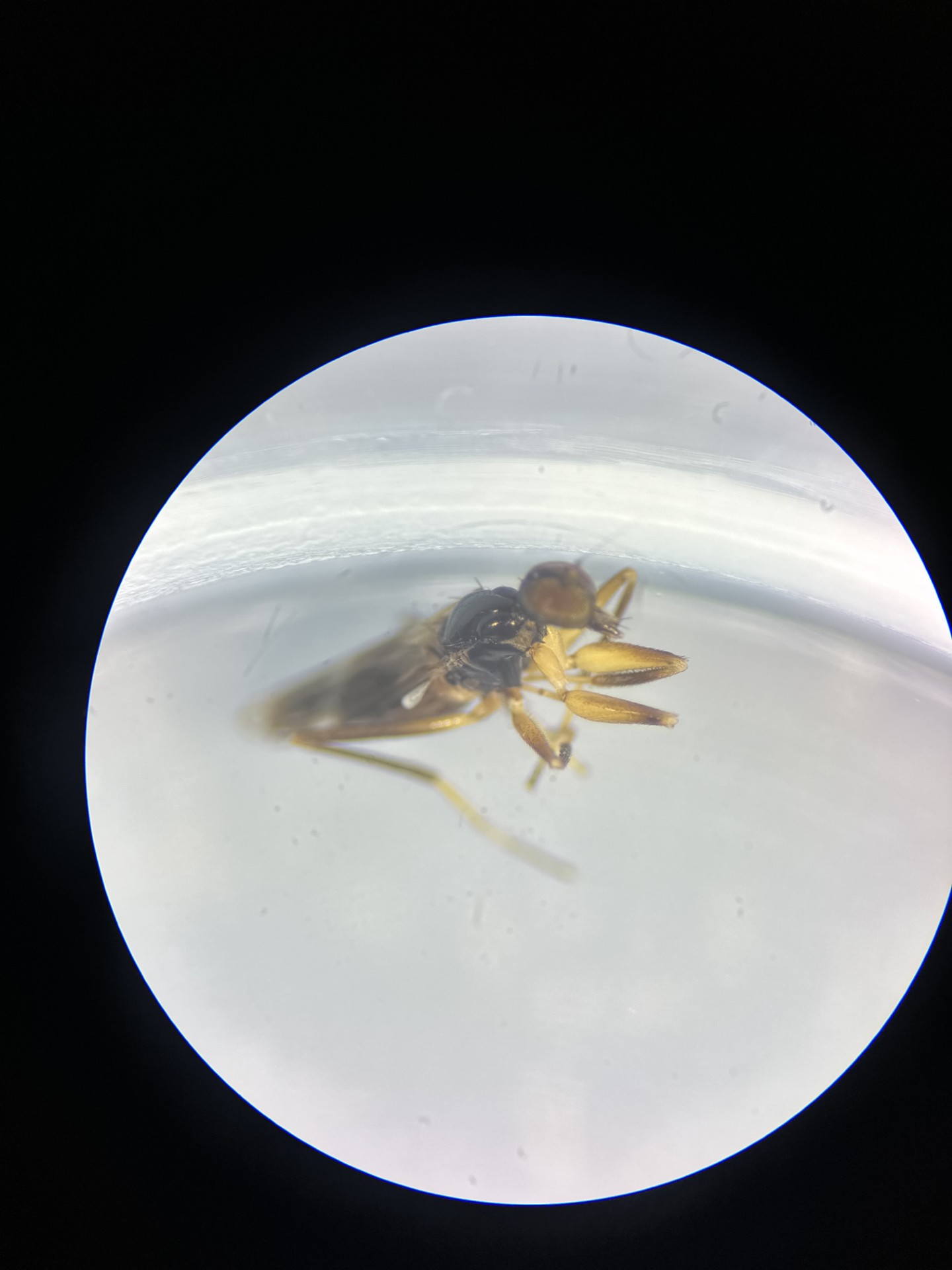 [212.61Kb] |
|
|
|
| Jogvan F |
Posted on 15-12-2024 16:50
|
|
Member Location: Faroe Islands Posts: 152 Joined: 03.10.24 |
.
Jogvan F attached the following image: 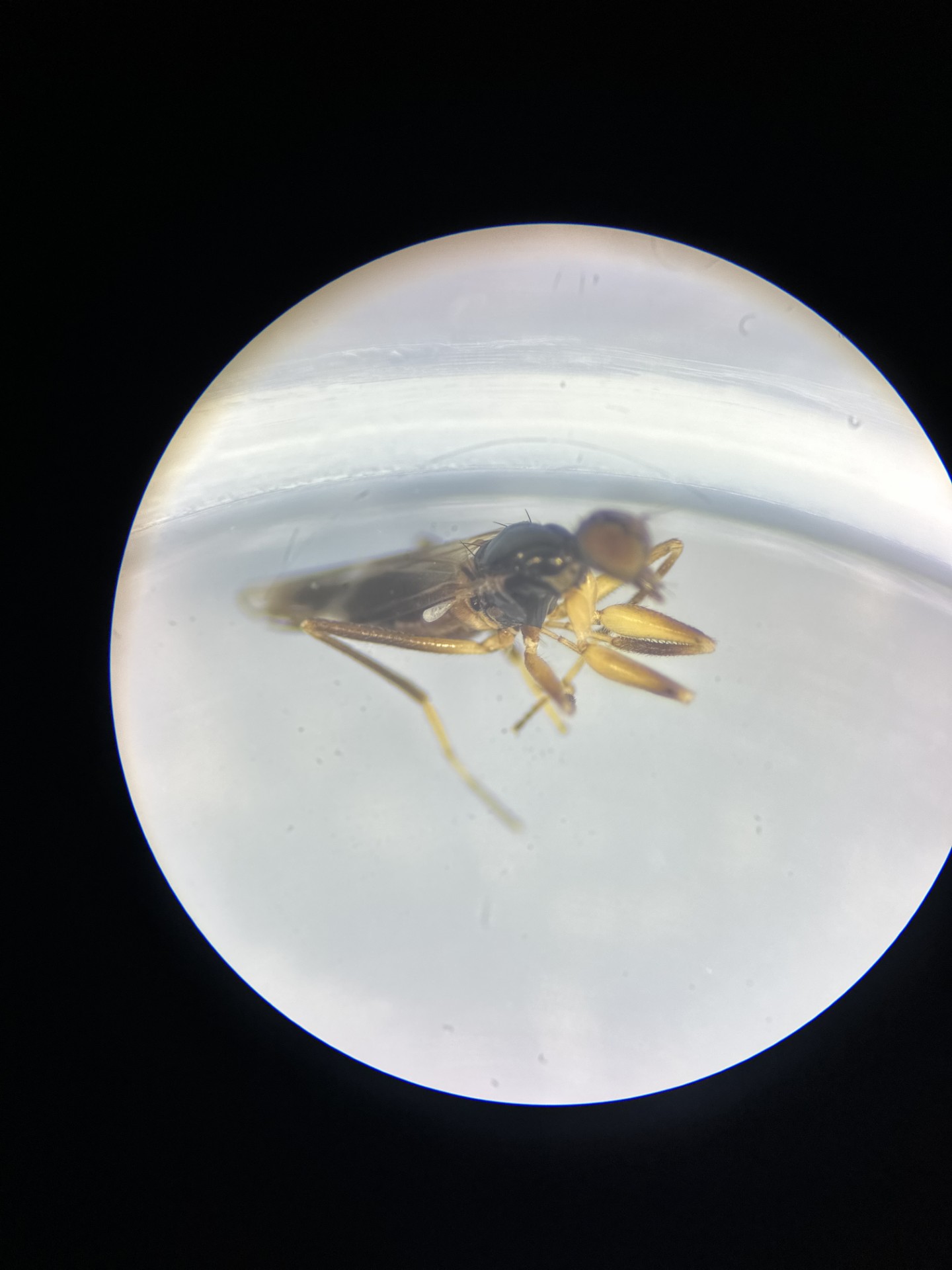 [213.07Kb] |
|
|
|
| Jogvan F |
Posted on 31-01-2026 16:55
|
|
Member Location: Faroe Islands Posts: 152 Joined: 03.10.24 |
Hi I try again  This could be T. aemula or T. arrogans. I think it is T. aemula as the hind tibia is not completely dark and almost all the hind coxa is yellow. Would appreciate a correction or confirmation Thanks Jógvan F |
|
|
|
| eklans |
Posted on 31-01-2026 18:09
|
|
Member Location: Franconia, Germany Posts: 4745 Joined: 11.11.18 |
I think you still have the specimen? Is the occiput completely shining? If so, it's T aemula, but I'm not sure from the photos.
Greetings, Eric |
|
|
|
| Jogvan F |
Posted on 31-01-2026 21:34
|
|
Member Location: Faroe Islands Posts: 152 Joined: 03.10.24 |
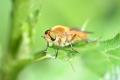
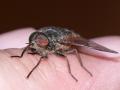
I am not able to find the specimen now. But I found some photos that I have taken not far from where that one was collected. I have three photos. 2 are of the same individual and the other individual which is feeding on a sciaridae. The original specimen was collected in a small plantation. The other two specimen in two gardens about 90 apart from the plantation. I assume we only hava a single species of this genus which is most likely only active in august and september. What I see from these photos is that it is shiny a bit behind the eyes (postocular margins?) while on the back of the head it is prunose. So...would it be T. aemula or T. arrogans? Thanks Jógvan F Jogvan F attached the following image: 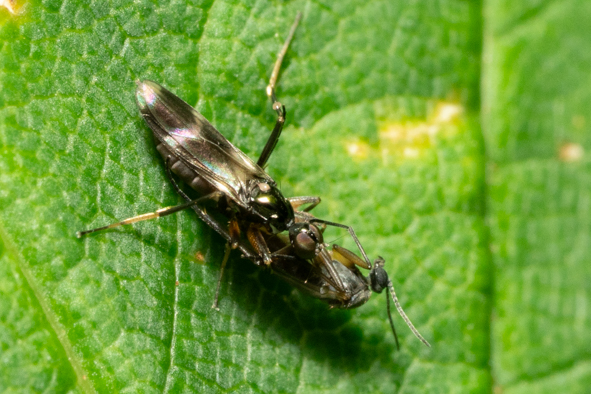 [280.96Kb] |
|
|
|
| Jogvan F |
Posted on 31-01-2026 21:35
|
|
Member Location: Faroe Islands Posts: 152 Joined: 03.10.24 |
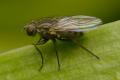
Tachydromia sp on leaf of rhubarb in garden
Jogvan F attached the following image: 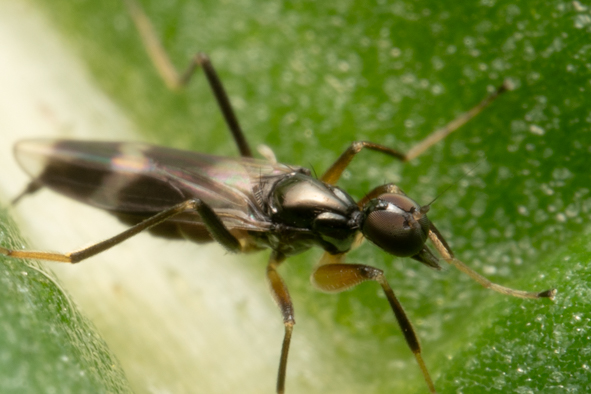 [194.82Kb] |
|
|
|
| Jogvan F |
Posted on 31-01-2026 21:36
|
|
Member Location: Faroe Islands Posts: 152 Joined: 03.10.24 |
Tachydromia sp on leaf of rhubarb in garden
Jogvan F attached the following image: 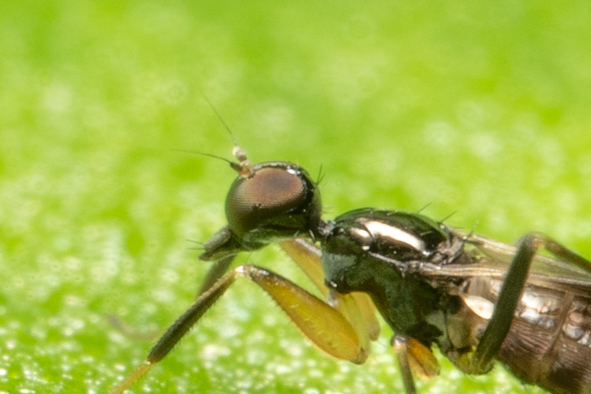 [194.86Kb] |
|
|
|
| eklans |
Posted on 01-02-2026 13:25
|
|
Member Location: Franconia, Germany Posts: 4745 Joined: 11.11.18 |
It's hard to decide from the 3 images: the first one (with the prey) seems to have the shiny aemula head. But comparing your fly to Chvala's description again I've found an intersting detail in your first photo: "radial vein closer to and not so upturned to costa, ending only gradually." (Chvala) That's what your image shows! Greetings, Eric |
|
|
|
| Jogvan F |
Posted on 01-02-2026 20:39
|
|
Member Location: Faroe Islands Posts: 152 Joined: 03.10.24 |
Those words are form Chvala, 1970 for T. aemula, which means that you think it is most likely that species So it is probably best to leave it as T. aemula. Thanks Jógvan F |
|
|
|
| igor |
Posted on 01-02-2026 20:58
|
|
Member Location: Posts: 341 Joined: 23.11.06 |
Hi, Here is typical T. aemula: https://diptera.info/forum/viewthread.php?thread_id=116546 Best wishes, Igor Shamshev |
|
|
|
| Jogvan F |
Posted on 01-02-2026 22:10
|
|
Member Location: Faroe Islands Posts: 152 Joined: 03.10.24 |
Thanks Igor Do you have opinion which species my specimen are? Thanks Jógvan F |
|
|
|
| igor |
Posted on 02-02-2026 18:36
|
|
Member Location: Posts: 341 Joined: 23.11.06 |
I think that your identification is correct, T. aemula. In T. aemula the occiput is not completely shiny, it is with smaller area of pruinosity than in T. arrogans (just a spot on middle portion). T. aemula is somewhat variable in wing length. The best comparison of these species can be found in Collin's British Empididae (p. 85). Best wishes, Igor Shamshev |
|
|
|
| Jogvan F |
Posted on 02-02-2026 20:33
|
|
Member Location: Faroe Islands Posts: 152 Joined: 03.10.24 |
Thanks Eric and Igor We will confirm this as T. aemula Thanks Jógvan F |
|
|
|
| Jump to Forum: |