


Diptera.info :: Identification queries :: Diptera (adults)
Who is here? 1 guest(s)
Page 2 of 2: 12
|
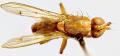
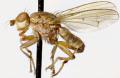
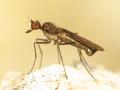
 Chloropidae Oscinella? 2mm
|
|
| Sara21392 |
Posted on 20-12-2010 20:13
|
 Member Location: Posts: 1445 Joined: 07.11.10 |
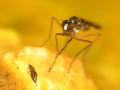
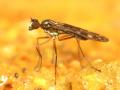
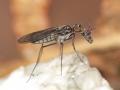
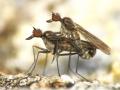
Again Hi In Chloropidae, usually we can see genitalia easily, in male and female too. This is a kind of female genitalia in Osinella sp. (sorry for too bad my pictures)  And this is a mail genitalia in Osinella pusilla  It's my think! What do you think?? 
Sincerely yours Sara |
|
|
|
| blowave |
Posted on 20-12-2010 20:22
|
 Member Location: LINCOLN, UK Posts: 3151 Joined: 27.06.07 |
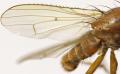
I see what you mean! Photos can be deceiving though, and the wing venation does look to fit Oscinella. Closer shot of the male.. blowave attached the following image: 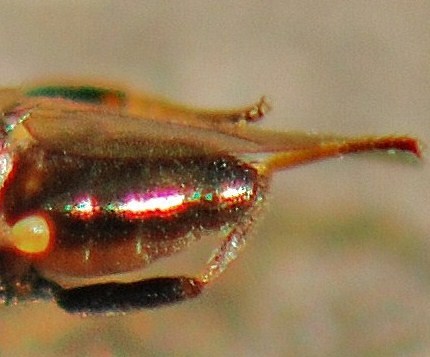 [71.57Kb] http://cubits.org... |
 |
|
| Sara21392 |
Posted on 20-12-2010 20:41
|
|
Member Location: Posts: 1445 Joined: 07.11.10 |
About wing venation and other characters I'm agree too, but about genitalia, that's difficult..!! I hope which it be Oscinella pusilla?
Sincerely yours Sara |
|
|
|
| blowave |
Posted on 20-12-2010 22:26
|
|
Member Location: LINCOLN, UK Posts: 3151 Joined: 27.06.07 |
I couldn't say which species it is Sara, I read that the antennae and tibia colour separated it from O. frit but there seems also to be confusion with some of the species in this genus. http://www.inra.f...oscfri.htm http://www.dipter...p?id=14680 http://cubits.org... |
|
|
|
| Sara21392 |
Posted on 21-12-2010 09:11
|
|
Member Location: Posts: 1445 Joined: 07.11.10 |
Some species of Chloropidae are difficult identification, for example Females of genera Lasiosina and Meromyza are very difficult also if we poses males, the same with Aphanotrigonum. It is nearly impossible to identify Oscinella species, except some few species. No revision exists, and the variability of leg colour is very big, dependent on the temperature under which the larvae grew up. (For example in O. pusilla all of tibia(s) are yellow that mid and hind tibia have dark-brown spot in middle (part) it and etc…) Main character about them is the same of male genitalia…. About your forum: http://diptera.info/forum/viewthread.php?thread_id=35134 I can almost sure about it, but in this forum, profile is not clearly well…  Sincerely yours Sara |
|
|
|
| conopid |
Posted on 25-12-2010 20:51
|
 Member Location: United Kingdom Posts: 1039 Joined: 02.07.04 |
There certainly seems to be no break in the costal vein near the humeral cross vein, so that eliminates my suggestion of Camillidae.
Nigel Jones, Shrewsbury, United Kingdom |
|
|
|
| blowave |
Posted on 25-12-2010 22:38
|
|
Member Location: LINCOLN, UK Posts: 3151 Joined: 27.06.07 |
Well it has all been very educational anyway Nigel, I now know what to look for should I come across a Camillidae. We have not got that family in the Gallery yet!
http://cubits.org... |
|
|
|
| conopid |
Posted on 26-12-2010 20:20
|
|
Member Location: United Kingdom Posts: 1039 Joined: 02.07.04 |
Yes, these threads are great for learning more and more about flies!
Nigel Jones, Shrewsbury, United Kingdom |
|
|
|
| jorgemotalmeida |
Posted on 26-12-2010 21:06
|
 Member Location: Viseu - PORTUGAL Posts: 9296 Joined: 05.06.06 |
here one Camilla sp. http://www.dipter...d_id=21138 |
|
|
|
| blowave |
Posted on 26-12-2010 21:18
|
|
Member Location: LINCOLN, UK Posts: 3151 Joined: 27.06.07 |
I found that one too jorge, I was looking for a fly I had and thought it might be Camilla but I only have one shot from above the head frontal view. The pattern on top of the head looked very similar to Camilla, but I decided in the end mine was Piophilidae.
http://cubits.org... |
|
|
|
Page 2 of 2: 12
| Jump to Forum: |