


Diptera.info :: Identification queries :: Diptera (adults)
Page 1 of 2: 12
|
 Calliphoridae? -> Muscidae, Dasyphora pratorum/penicillata
|
|
| treebeard |
Posted on 29-04-2020 09:54
|
|
Member Location: Slovakia Posts: 614 Joined: 13.08.13 |
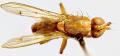
Slovakia, Carpathians, Banska Bystrica, 700 m.a.s.l., 28 April 2020, a medium-sized fly Thank you in advance Matej treebeard attached the following image: 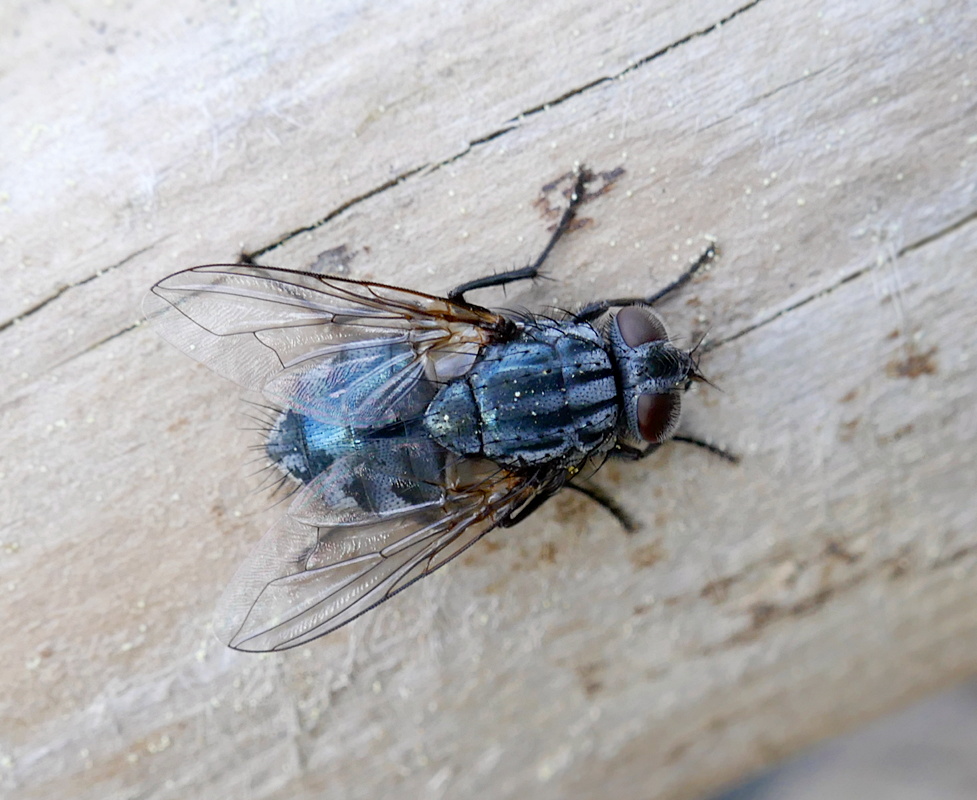 [267.54Kb] Edited by treebeard on 30-04-2020 11:32 |
|
|
|
| treebeard |
Posted on 29-04-2020 09:55
|
|
Member Location: Slovakia Posts: 614 Joined: 13.08.13 |
2
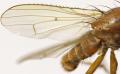
treebeard attached the following image: 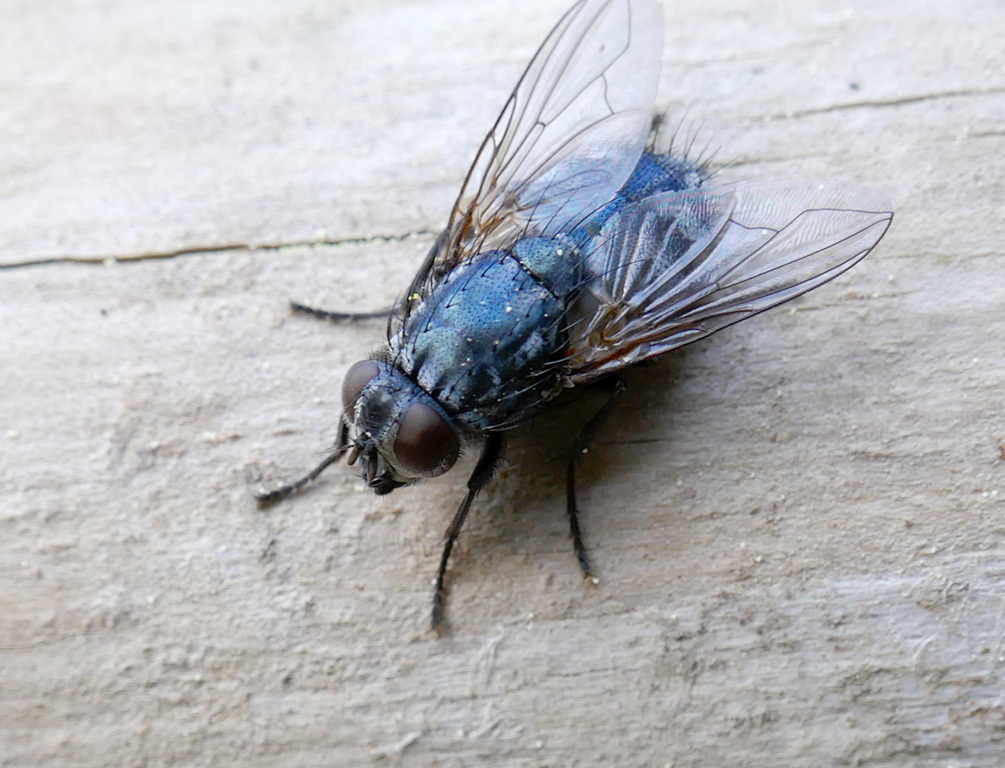 [250.79Kb] |
|
|
|
| John Carr |
Posted on 29-04-2020 11:54
|
 Super Administrator Location: Colorado, USA Posts: 10660 Joined: 22.10.10 |
Muscidae |
 |
|
| johnes81 |
Posted on 29-04-2020 11:59
|
 Member Location: Berlin, Germany Posts: 1980 Joined: 15.10.16 |
Hello, Bellardia have 2+3 ac brsitles. Best wishes, John John and Nini. Naturalists not experts. |
|
|
|
| Sundew |
Posted on 29-04-2020 13:08
|
 Member Location: Berlin and Baden-Württemberg, Germany Posts: 3939 Joined: 28.07.07 |
Number and position of thorax bristles as well as its short stripes close to the head match Eudasyphora (Muscidae) that can be greenish as well as bluish. The eyes are densely hairy, so E. cyanicolor is no good match. The two other species can be discriminated by the bristles on the mid tibae: E. cyanella: no accessory setae above strong anterodorsal seta on mid tibia E. zimini: 1-2 accessory setae above strong anterodorsal seta on mid tibia That is difficult to see in your photos, so "Eudasyphora spec."! Regards, Sundew |
|
|
|
| Sundew |
Posted on 29-04-2020 13:10
|
|
Member Location: Berlin and Baden-Württemberg, Germany Posts: 3939 Joined: 28.07.07 |
PS. I think Bellardia has also bare eyes. |
|
|
|
| treebeard |
Posted on 29-04-2020 18:31
|
|
Member Location: Slovakia Posts: 614 Joined: 13.08.13 |
Thank you all for help |
|
|
|
| Zeegers |
Posted on 29-04-2020 19:00
|
|
Member Location: Soest, NL Posts: 19319 Joined: 21.07.04 |
Good point. “ All” Calliphorini have bare eyes. [Yes, I know, not true in Australia]. Theo |
|
|
|
| johnes81 |
Posted on 29-04-2020 22:40
|
|
Member Location: Berlin, Germany Posts: 1980 Joined: 15.10.16 |
Hello Drosera, E. cyanella: no accessory setae above strong anterodorsal seta on mid tibia E. zimini: 1-2 accessory setae above strong anterodorsal seta on mid tibia this is not your work, sundew. I doubt that you would know the difference between them without keys from experts. many Tachinidae have hairy eyes too, so why you looking at the unobvious? the thorax is your simple and quick route away from the proposed family of Calliphoridae. 'She who can does; she who cannot, teaches.' do you agree botanist Dr. Brückner? I believe that you once taught botany at a university. interesting. Hello Theo, Are you sure that you can recognize a Bellardia, Theo? I really wouldn't trust your opinion about Muscidae at any level. https://diptera.info/forum/viewthread.php?thread_id=81137 I didn't see botanist 'sundew' recognizing Pollenia in that post. Not enough books for her to plagiarize, i guess. She's too busy reading British keys from S. Falk. Sadly, vagabunda is one of the easiest Pollenia to recognize. Best wishes, John John and Nini. Naturalists not experts. |
|
|
|
| treebeard |
Posted on 30-04-2020 06:08
|
|
Member Location: Slovakia Posts: 614 Joined: 13.08.13 |
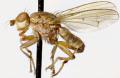
Hello John (and possibly the others) I am still confused. I checked pictures of Eudasyphora species and I think, they look much more "metallic" than the one on my pictures. I have to admit that my fly looked even less metallic in the field and bluish color became apparent after picture processing. Meanwhile, I photographed this one at the same place (Slovakia, Carpathians, Banska Bystrica, forest clearing, 700 m.a.s.l., 28 April 2020) this fly and I am wondering if this is the same species. treebeard attached the following image: 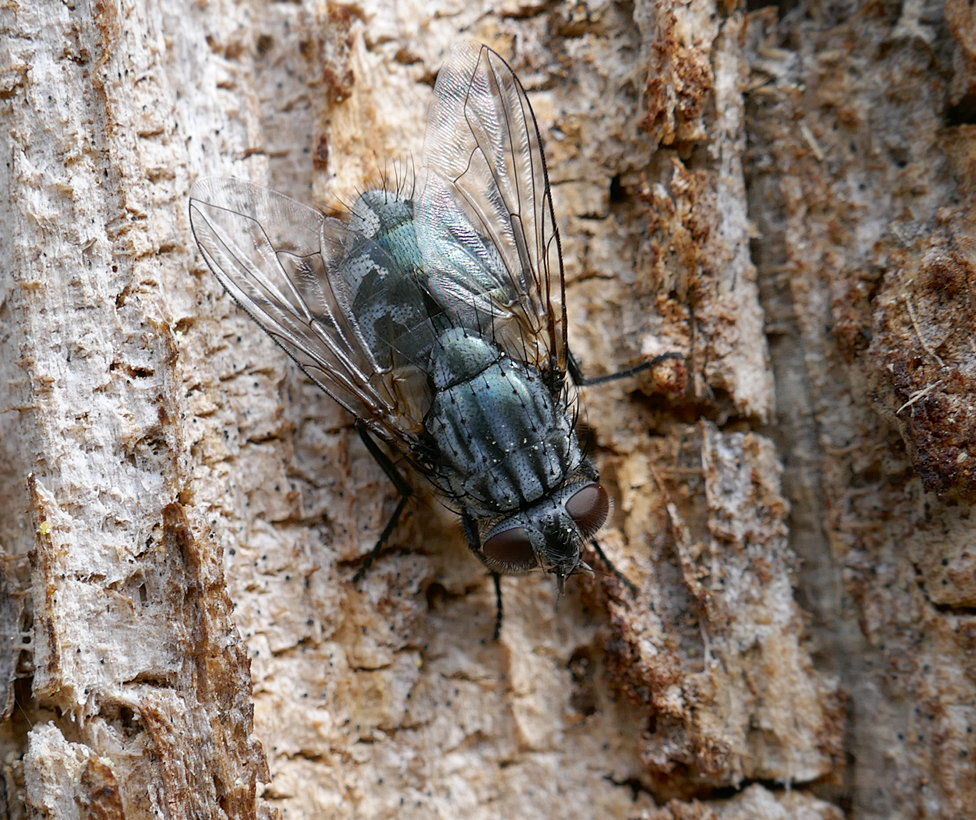 [268.37Kb] Edited by treebeard on 30-04-2020 06:09 |
|
|
|
| treebeard |
Posted on 30-04-2020 06:13
|
|
Member Location: Slovakia Posts: 614 Joined: 13.08.13 |
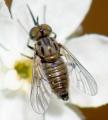
My untrained eye cannot see any difference except color. Maybe I should go back to Syrphidae 
treebeard attached the following image: 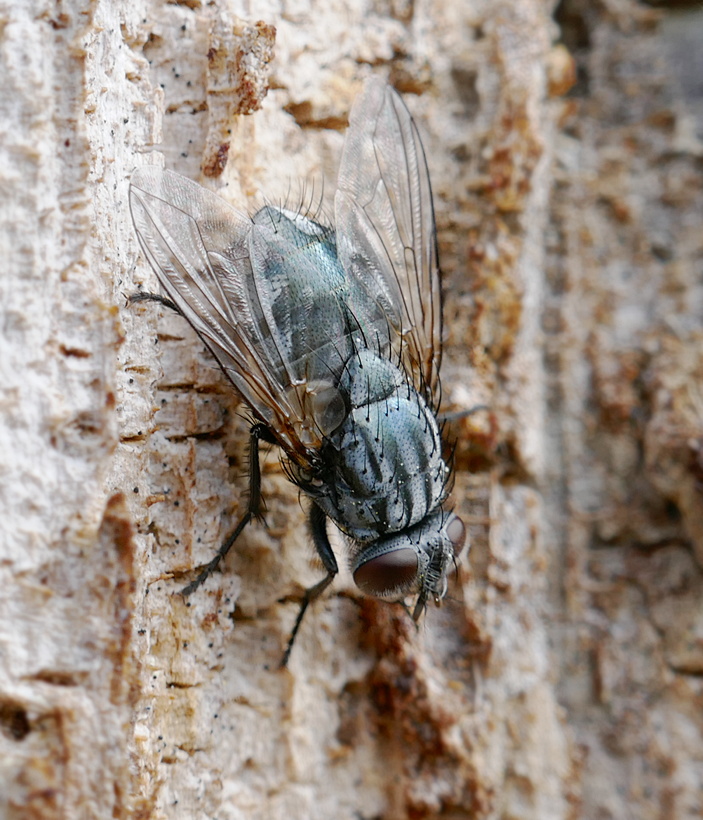 [256.44Kb] |
|
|
|
| johnes81 |
Posted on 30-04-2020 10:01
|
|
Member Location: Berlin, Germany Posts: 1980 Joined: 15.10.16 |
Hi Treebeard, I didn't post a possible species because i don't see Eudasyphora and i am too busy programming a search engine for my website. Also, several members of this site disrespect me and my opinion consistently, so i stopped offering my opinion. sundew fails to notice the tessellations on the abdomen, which are not characteristic of Eudasyphora. The eyes are densely haired which also leads away from Eudasyphora. I believe that you have a female Dasyphora pratorum but you should wait for an opinion from Nikita Vikhrev. Nikita is a Muscidae specialist. I recommend that you change the title and wait for a reply from Nikita. Best wishes, John John and Nini. Naturalists not experts. |
|
|
|
| treebeard |
Posted on 30-04-2020 10:33
|
|
Member Location: Slovakia Posts: 614 Joined: 13.08.13 |
Thank you very much. Is your website already available? |
|
|
|
| johnes81 |
Posted on 30-04-2020 10:38
|
|
Member Location: Berlin, Germany Posts: 1980 Joined: 15.10.16 |
Hi treebeard, not yet. I just rewrote my file system code to make my site completely virtual (no actual folders/files other than images and text data files). I tried to make an operating system style desktop with a file explorer/manager. I am successful despite not knowing that code. I've also added language support and a bookmarking system. I just need to finish my search engine and add some final security measures. I hope to be finished by end of May. Best wishes, John John and Nini. Naturalists not experts. |
|
|
|
| treebeard |
Posted on 30-04-2020 10:42
|
|
Member Location: Slovakia Posts: 614 Joined: 13.08.13 |
Best wishes as well Matej |
|
|
|
| Nikita Vikhrev |
Posted on 30-04-2020 10:43
|
 Member Location: Moscow, Russia Posts: 9561 Joined: 24.05.05 |
John, take it easy! Be less nervous! Especially so, because I think you are right, I also think it is Dasyphora, D. not albofasciata. Nikita Vikhrev - Zool Museum of Moscow University |
|
|
|
| treebeard |
Posted on 30-04-2020 11:31
|
|
Member Location: Slovakia Posts: 614 Joined: 13.08.13 |
Thank you, Nikita, spasibo! |
|
|
|
| Sundew |
Posted on 30-04-2020 11:38
|
|
Member Location: Berlin and Baden-Württemberg, Germany Posts: 3939 Joined: 28.07.07 |
Dear Matej. without being responsive to John's offending allegations, I just want you to know that I got the information on Eudasyphora from the valuable forum archive - one cannot read enough in the old threads! In this case, here: https://diptera.i...d_id=42488. Regards, Sundew |
|
|
|
| Nikita Vikhrev |
Posted on 30-04-2020 14:17
|
|
Member Location: Moscow, Russia Posts: 9561 Joined: 24.05.05 |
Dear Drosera, Hennig (1963) regarded all species mentioned above as Dasyphora. Afterwards the genus was divided into two: Dasyphora (with less distinct metallic shine; densely dusted body and with always hairy eyes) and Eudasyphora (with strong metallic shine, few whitish dusting and eyes hairy or bare). This circumstance often leads to misunderstanding in which genus one should identify a specimen of (Eu)Dasyphora. Nikita Vikhrev - Zool Museum of Moscow University |
|
|
|
| John Carr |
Posted on 30-04-2020 14:48
|
|
Super Administrator Location: Colorado, USA Posts: 10660 Joined: 22.10.10 |
Nihei and de Carvalho (2007) proposed re-synonymizing Eudasyphora with Dasyphora based on a phylogenetic analysis. |
|
|
|
Page 1 of 2: 12
| Jump to Forum: |