Gallery Links
Users Online
· Guests Online: 28

· Members Online: 0

· Total Members: 5,100
· Newest Member: abnerRRR
Forum Threads
Theme Switcher
Switch to:
Last Seen Users
· Juergen Peters00:15:10
· weia00:48:47
· JC_Bartolucci02:10:39
· Carnifex02:40:48
· John Carr03:09:43
· evdb03:18:21
· Vlieg03:23:44
· alon05:24:30
· libor05:26:45
· Tony Irwin07:18:38
Latest Photo Additions
View Thread
Diptera.info :: Identification queries :: Diptera (adults)
Who is here? 1 guest(s)
 Print Thread
male/female chironomid?
gdoer
#1 Print Post
Posted on 18-10-2019 21:08
Member

Location:
Posts: 71
Joined: 18.06.19

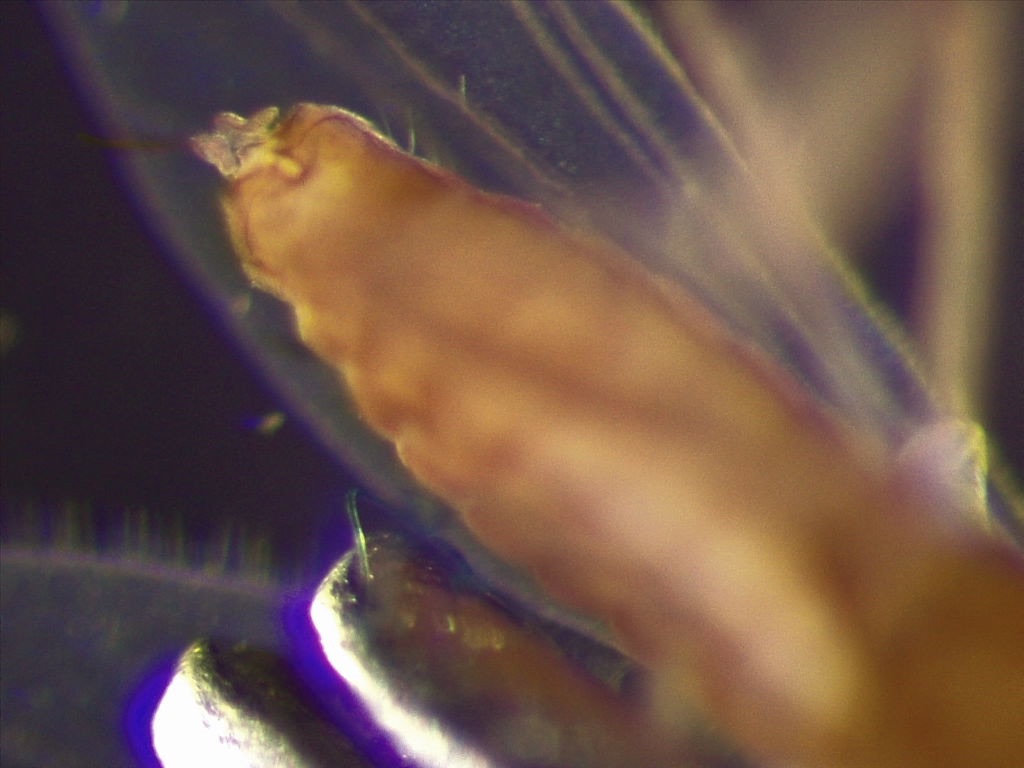
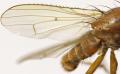
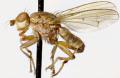
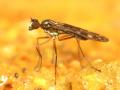
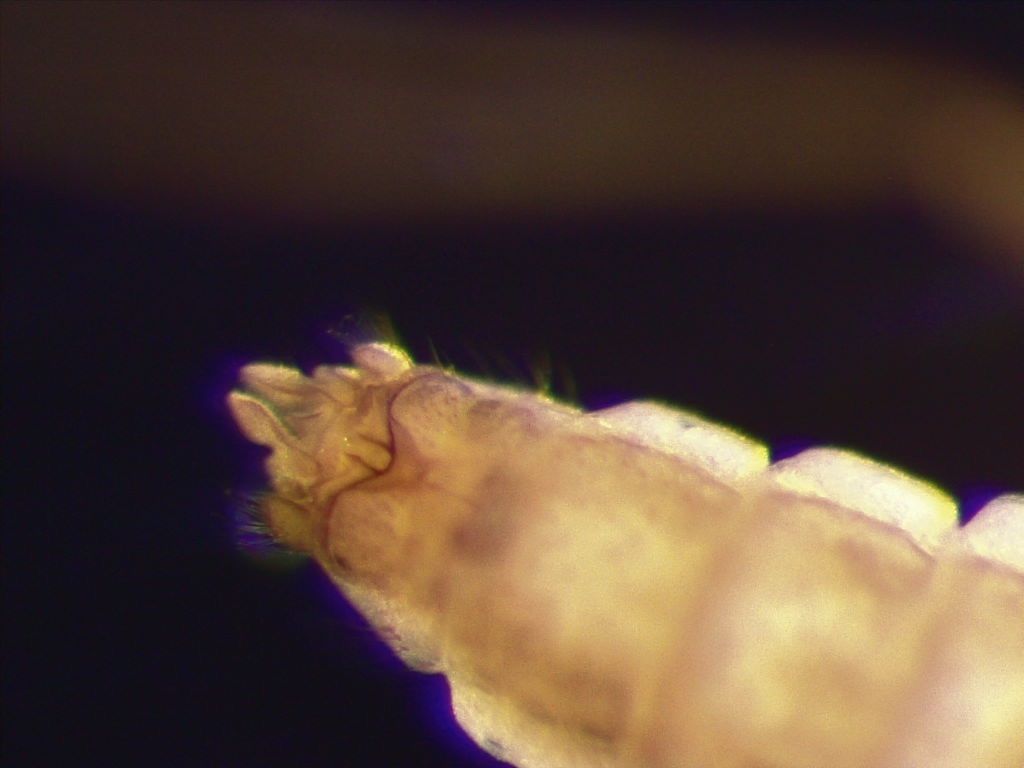
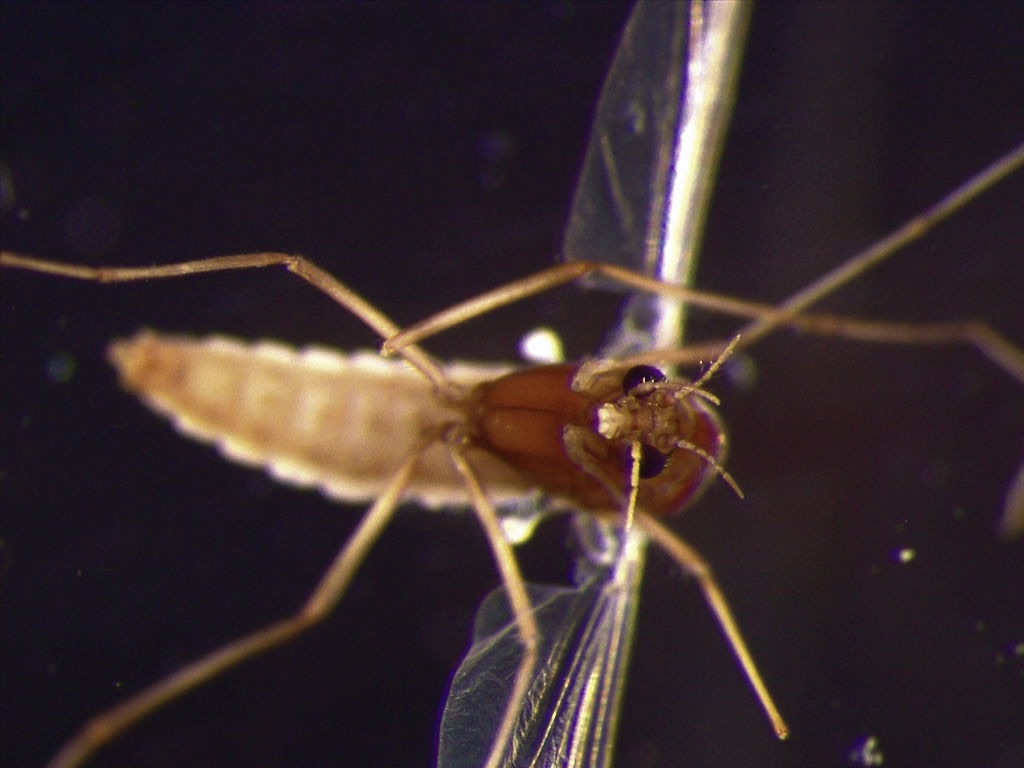
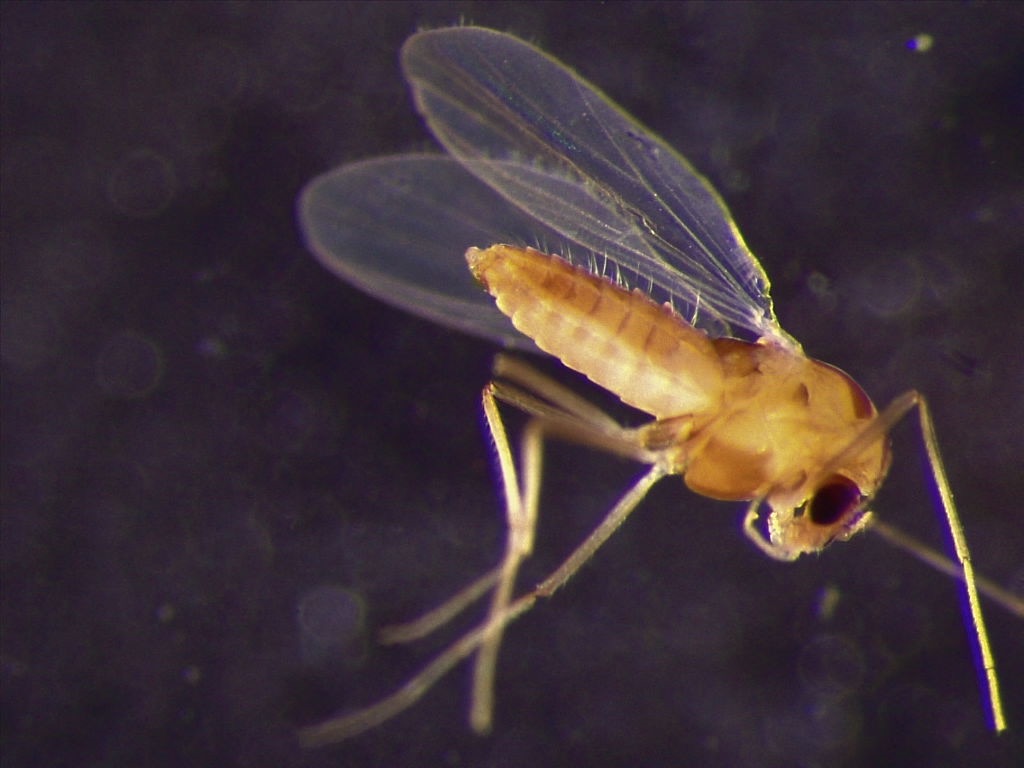
This chironomid is from Convict Creek in Mammoth Lakes, CA. It is 2.86 mm. Part of believes it is a male because the fused tip of the gonocoxite. Alternatively, is this a female I am mistaking for a male? What leads me to believe this is that the antennae are not plumous. Some basic principles to distinguish males from females would be much appreciated! Thanks!
gdoer attached the following image:

[76.18Kb]
Edited by gdoer on 18-10-2019 22:04
 
gdoer
#2 Print Post
Posted on 18-10-2019 21:08
Member

Location:
Posts: 71
Joined: 18.06.19

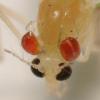
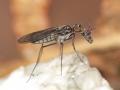
full body
gdoer attached the following image:

[87.64Kb]
 
gdoer
#3 Print Post
Posted on 18-10-2019 22:25
Member

Location:
Posts: 71
Joined: 18.06.19

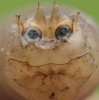
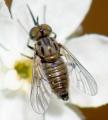
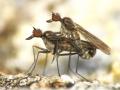
Also, this one
gdoer attached the following image:

[102.62Kb]
 
gdoer
#4 Print Post
Posted on 18-10-2019 22:25
Member

Location:
Posts: 71
Joined: 18.06.19

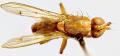
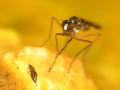
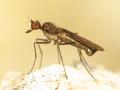
.
gdoer attached the following image:


[103.92Kb]
 
John Carr
#5 Print Post
Posted on 18-10-2019 23:03
User Avatar

Super Administrator

Location: Colorado, USA
Posts: 10662
Joined: 22.10.10

That is a female with cerci exposed. Male genitalia are bigger and the adbomen usually cylindrical.
 
http://www.flickr.com/photos/31715949@N00
Tony Irwin
#6 Print Post
Posted on 19-10-2019 09:40
User Avatar

Member

Location: Norwich, England
Posts: 7352
Joined: 19.11.04

There is no simple way of telling males from females in Chironomidae. Generally, males have large plumose antennae, while females have antennae that are shorter and more sparsely haired. However there are exceptions, with some females having longer hairs on the antennae and some males have antennae that look like those of females.
Looking at the genitalia is more reliable, but you need to become familiar with the range of morphology in both males and females. It's helpful to remember that females tend to have fatter abdomens and often the eggs can be seen through the abdominal wall.
Tony
----------
Tony Irwin
 
Jump to Forum:
Similar Threads
Thread Forum Replies Last Post
Fannia lustrator? --> Fannia lustrator female Diptera (adults) 5 07-05-2026 18:05
Portevinia maculata female? Syrphidae 4 03-05-2026 14:47
Hybotidae_Platypalpus pallidicornis (male)? Diptera (adults) 4 01-05-2026 17:44
Euleia heraclei ? -> confirmed (female) Diptera (adults) 3 29-04-2026 11:21
Simulium male (Simuliidae)? 23.04.26 --> male Platypezidae Diptera (adults) 3 28-04-2026 20:23
Date and time
12 May 2026 01:31
Login
Username

Password


Not a member yet?
Click here to register.

Forgotten your password?
Request a new one here.
Temporary email?
Due to fact this site has functionality making use of your email address, any registration using a temporary email address will be rejected.

Paul
Donate
Please, help to make
Diptera.info
possible and enable
further improvements!
Latest Articles
Syrph the Net
Those who want to have access to the Syrph the Net database need to sign the
License Agreement -
Click to Download


Public files of Syrph the Net can be downloaded HERE

Last updated: 25.08.2011
Shoutbox
You must login to post a message.

29.04.26 15:16
What a piece of sad news to learn about Mr. Chandler's passing, a great loss indeed

24.04.26 15:48
I have just received the very sad news that Peter Chandler has died after a fall at home yesterday. I have no other details at the moment. We shall miss him terribly.

20.02.26 13:31
Canada plans to eliminate the Diptera group at the CNC. See post in the News section of the main page.

18.02.26 09:33
Anyone have scans of the Genus Semaranga in: 1)Kanmiya, K. (1983) A systematic study of the Japanese Chloropidae (Diptera). 2) Andersson, H. (1977 Taxonomic and Phylogenetic studies on Chloropid

10.02.26 19:36
Hello Moumoule !

07.01.26 15:52
Pipunculidae from Mongolia! I am looking for specialist who is committed to ID these. There will be a lot of material coming from my expeditions.

06.12.25 21:37
He last posted here in April, identifying some Chloropidae.

04.12.25 20:02
Dr Michael von Tschirnhaus, a leading expert on Chloropidae and Agromyzidae, died on 16 September 2025 at the age of 86. He will be greatly missed by the international community. R.I.P.

03.12.25 12:46
Anyone has the scan of "Harkness, R. D.; Ismay, J. W. 1976: A new species of Trachysiphonella (Dipt., Chloropidae) from Greece, associated with an ant Cataglyphis bicolor (F.) (Hym., Formicidae)

01.12.25 22:29
I will try to fix the messages this month. We have to make some other configuration changes before software goes out of support at end of year.

Render time: 1.51 seconds | 271,206,360 unique visits