

Diptera.info :: Identification queries :: Diptera (adults)
Who is here? 1 guest(s)
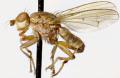
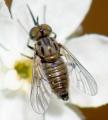
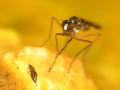
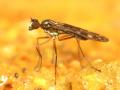
 Muscidae? = Fannia cf pallitibia
|
|
| johnes81 |
Posted on 05-10-2017 17:40
|
 Member Location: Berlin, Germany Posts: 1980 Joined: 15.10.16 |
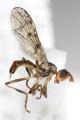
Berlin - September - 5 mm very pretty fly but I cannot find a match. The fly looks dark/black but lighting shows a gray/grey dusting on the thorax and humeral callus. The abdomen looks dark but lighting shows a pale brown color and a spot. very strange. Thank You for your Time and Effort. johnes81 attached the following image: 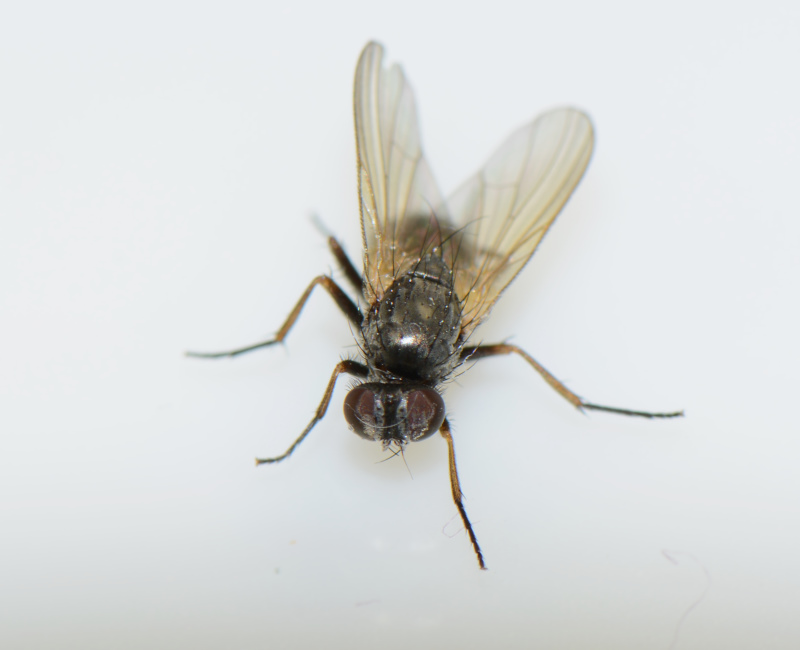 [74.35Kb] Edited by johnes81 on 05-10-2017 18:01 John and Nini. Naturalists not experts. |
|
|
|
| johnes81 |
Posted on 05-10-2017 17:41
|
|
Member Location: Berlin, Germany Posts: 1980 Joined: 15.10.16 |
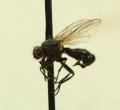
photo number 2
johnes81 attached the following image: 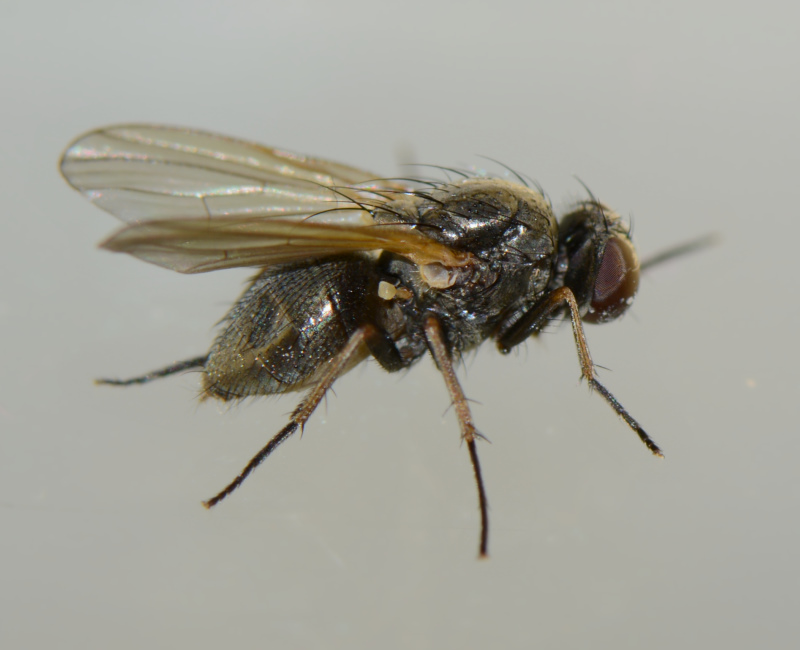 [105.91Kb] John and Nini. Naturalists not experts. |
|
|
|
| Stephane Lebrun |
Posted on 05-10-2017 17:55
|
 Member Location: Le Havre, France Posts: 8248 Joined: 03.03.07 |
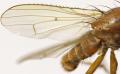
The Sc vein is straight and diverging from R1 close to their bases --> Fanniidae. Then, with these yallow tibias, Fannia pallitibia most likely (a commun autumn Fannia species). Stephane. |
|
|
|
| johnes81 |
Posted on 05-10-2017 18:01
|
|
Member Location: Berlin, Germany Posts: 1980 Joined: 15.10.16 |
That was a fast response. I didn't think anyone would respond until tomorrow. Maybe when you have time, you will glance at my Helina and Coenosia posts. I wouldn't have guessed Fannia. I only have experience with Fannia canicularis. I am upset with myself for not identifying a family here. I haven't dissected it yet. Fortunately, a nice man sent me a copy of his pdf keys for Fanniidae. I will start with Fannia pallitibia. Thank You very much Stephane! You are Wonderful! 
Edited by johnes81 on 05-10-2017 18:49 John and Nini. Naturalists not experts. |
|
|
|
| johnes81 |
Posted on 05-10-2017 18:53
|
|
Member Location: Berlin, Germany Posts: 1980 Joined: 15.10.16 |
I see your photos of Fannia pallitibia in the gallery I will dissect this one tomorrow, then key it out. I will add photos to the gallery for you if you can verify the species. I'll also post genitalia for you. I hope that you have a Wonderful Evening. John and Nini. Naturalists not experts. |
|
|
|
| johnes81 |
Posted on 06-10-2017 17:52
|
|
Member Location: Berlin, Germany Posts: 1980 Joined: 15.10.16 |
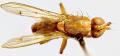
Hello Stephane, I've sent a pm to you. Meantime, I conclude that this species must be Fannia pallitibia. I admit that the pdf keys that I have are for males only. This is a female. But I think that the only similar species (with yellow tibiae) is Fannia pruinosa. From what I understand, F. pruinosa has setose parafacials. If so, then I do not see hairs on the parafacials. Further, the thorax and abdomen look black with gray dusting but not what I would describe to be pruinose. I admit that I struggle dissecting ovipositors. My tools are too large. The only only scissors smaller than my micro scissors cost 400 euro in Germany. I don't care to import from North America, so I suppose I will have to visit a CNC shop for a custom design. I will post the ovipositor here with a few photos illustrating the aforementioned features. If you can confirm Fannia pallitibia, then I will add photos to the gallery. johnes81 attached the following image: 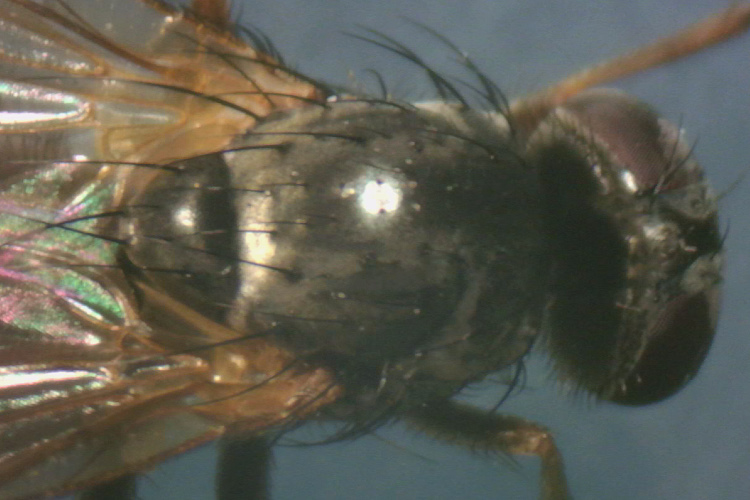 [139.59Kb] John and Nini. Naturalists not experts. |
|
|
|
| johnes81 |
Posted on 06-10-2017 17:52
|
|
Member Location: Berlin, Germany Posts: 1980 Joined: 15.10.16 |
abdomen is dark/black.
johnes81 attached the following image: 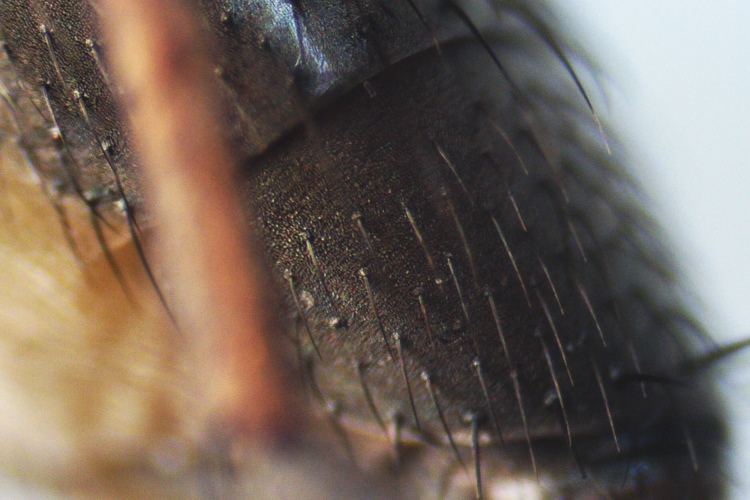 [186.64Kb] John and Nini. Naturalists not experts. |
|
|
|
| johnes81 |
Posted on 06-10-2017 17:53
|
|
Member Location: Berlin, Germany Posts: 1980 Joined: 15.10.16 |
parafacials
johnes81 attached the following image: 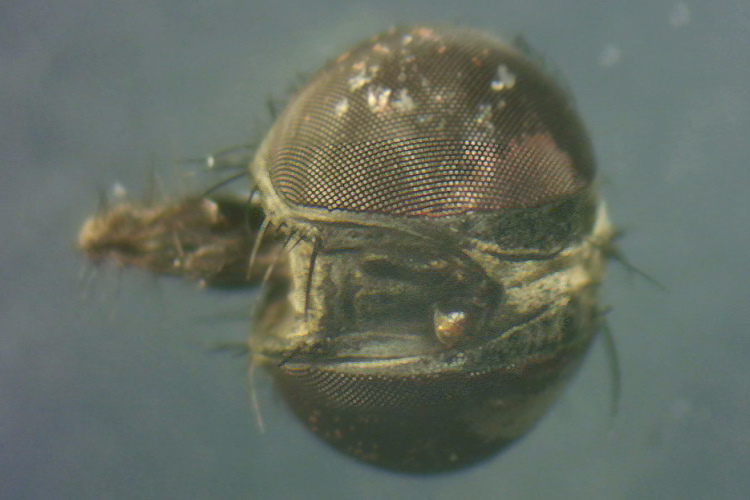 [128.87Kb] John and Nini. Naturalists not experts. |
|
|
|
| johnes81 |
Posted on 06-10-2017 17:53
|
|
Member Location: Berlin, Germany Posts: 1980 Joined: 15.10.16 |
ovipositor
johnes81 attached the following image: 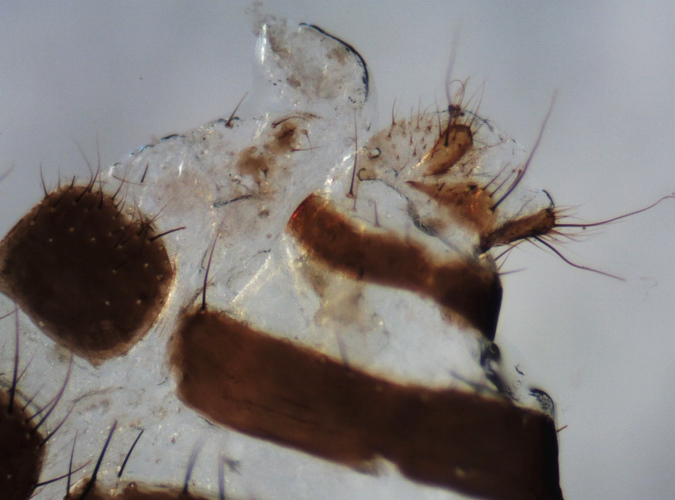 [139.19Kb] John and Nini. Naturalists not experts. |
|
|
|
| Stephane Lebrun |
Posted on 07-10-2017 09:07
|
|
Member Location: Le Havre, France Posts: 8248 Joined: 03.03.07 |
...and female of pruinosa should have abdomen with yellow corners at base. So I'm confident with Fannia pallitibia.
Stephane. |
|
|
|
| Jump to Forum: |