

Diptera.info :: Identification queries :: Diptera (adults)
 Tachinidae?
|
|
| Flippie |
Posted on 28-03-2016 23:54
|
|
Member Location: Posts: 284 Joined: 11.01.16 |
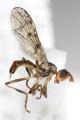
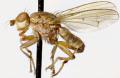
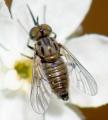
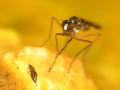
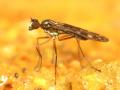
I found this approx 6mm fly dead in the house. Location: Stilbay, South Africa. I think it is Tachinidae based on the subscutellum (picture included). I would like confirmation of the family and progress the ID if this is possible. Thank you Philip 5 Photos: Flippie attached the following image: 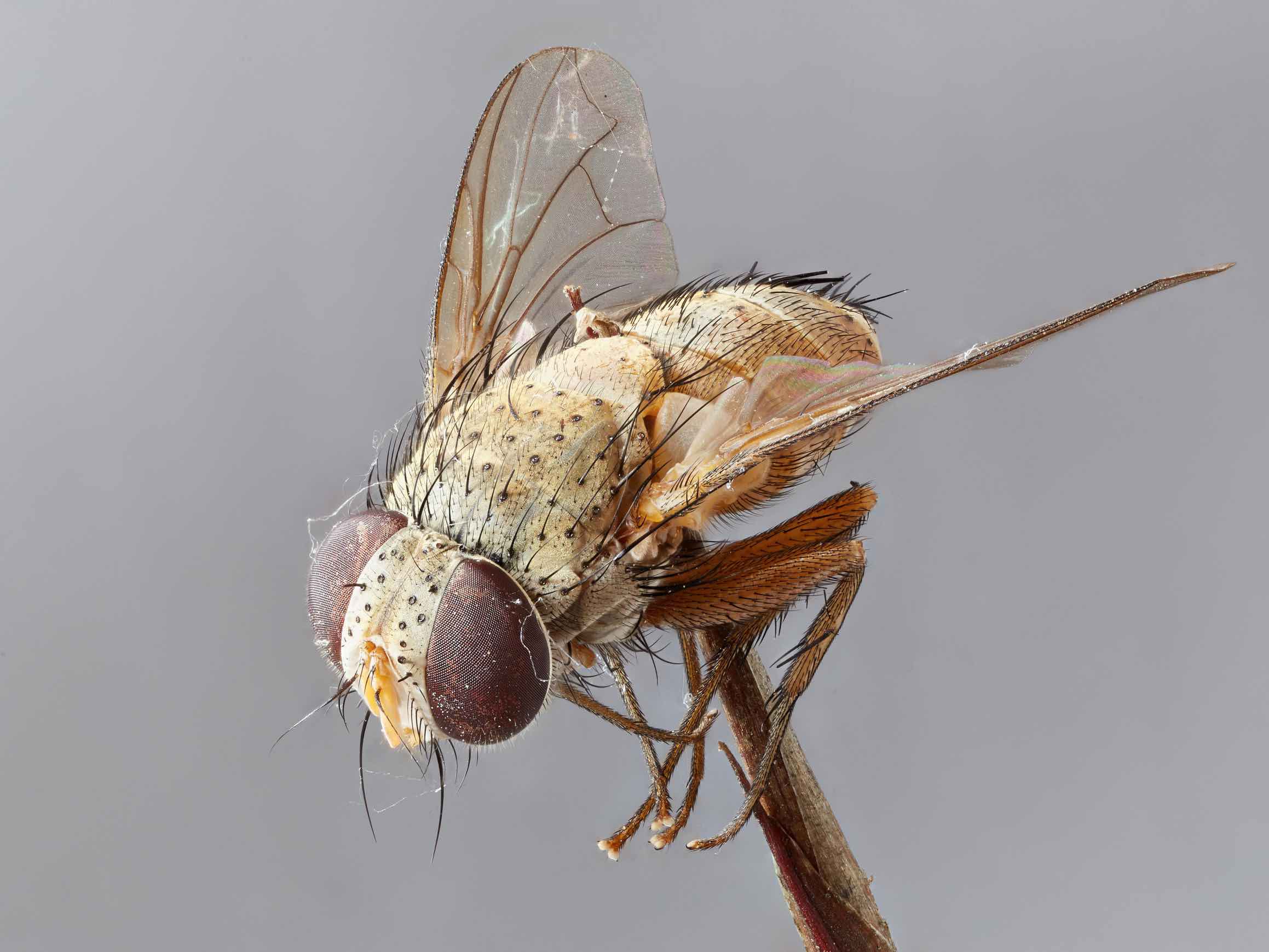 [191.41Kb] |
|
|
|
| Flippie |
Posted on 28-03-2016 23:55
|
|
Member Location: Posts: 284 Joined: 11.01.16 |
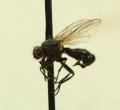
Photo 2:
Flippie attached the following image: 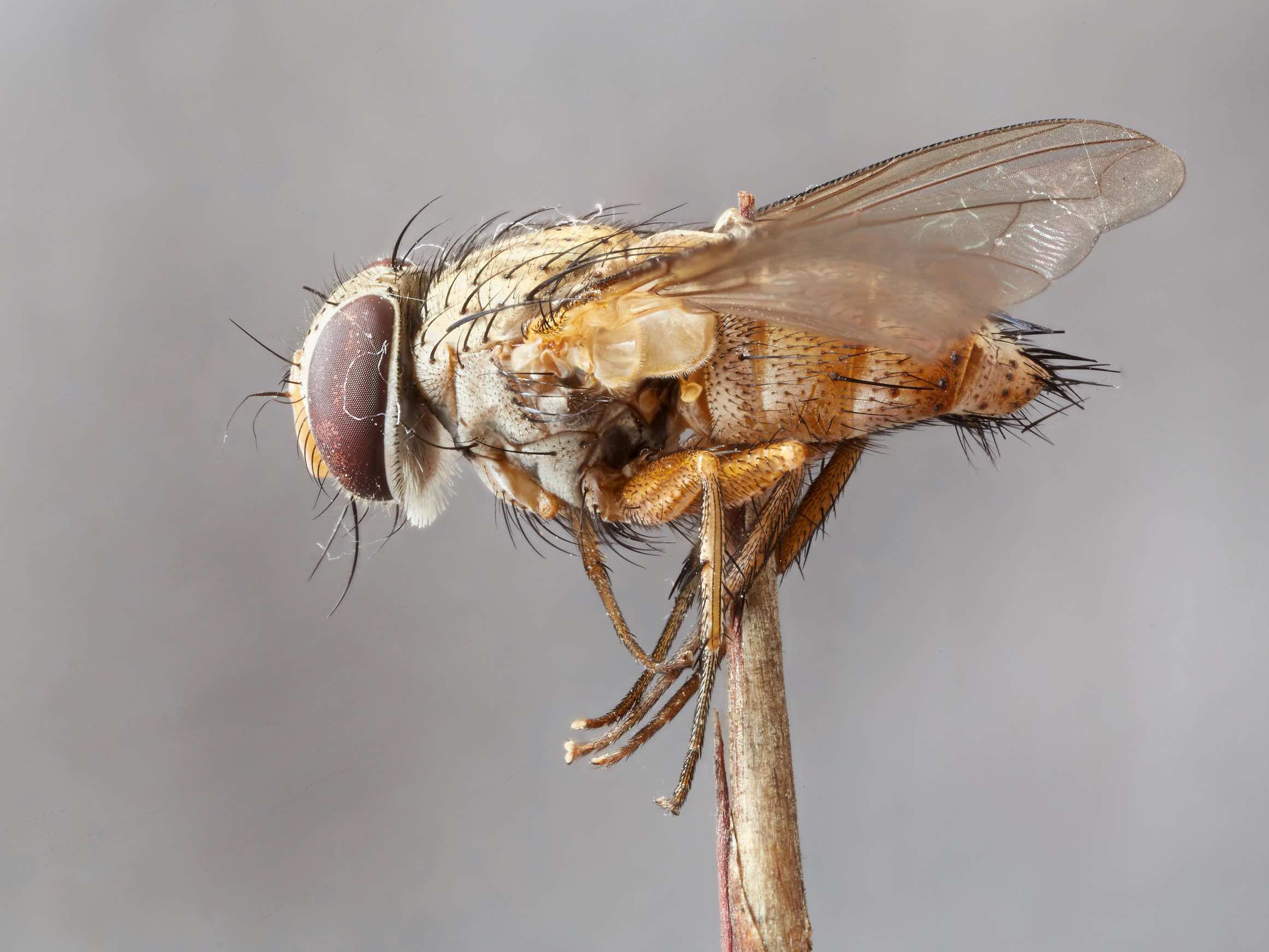 [190.69Kb] |
|
|
|
| Flippie |
Posted on 28-03-2016 23:55
|
|
Member Location: Posts: 284 Joined: 11.01.16 |
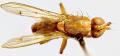
Photo 3:
Flippie attached the following image: 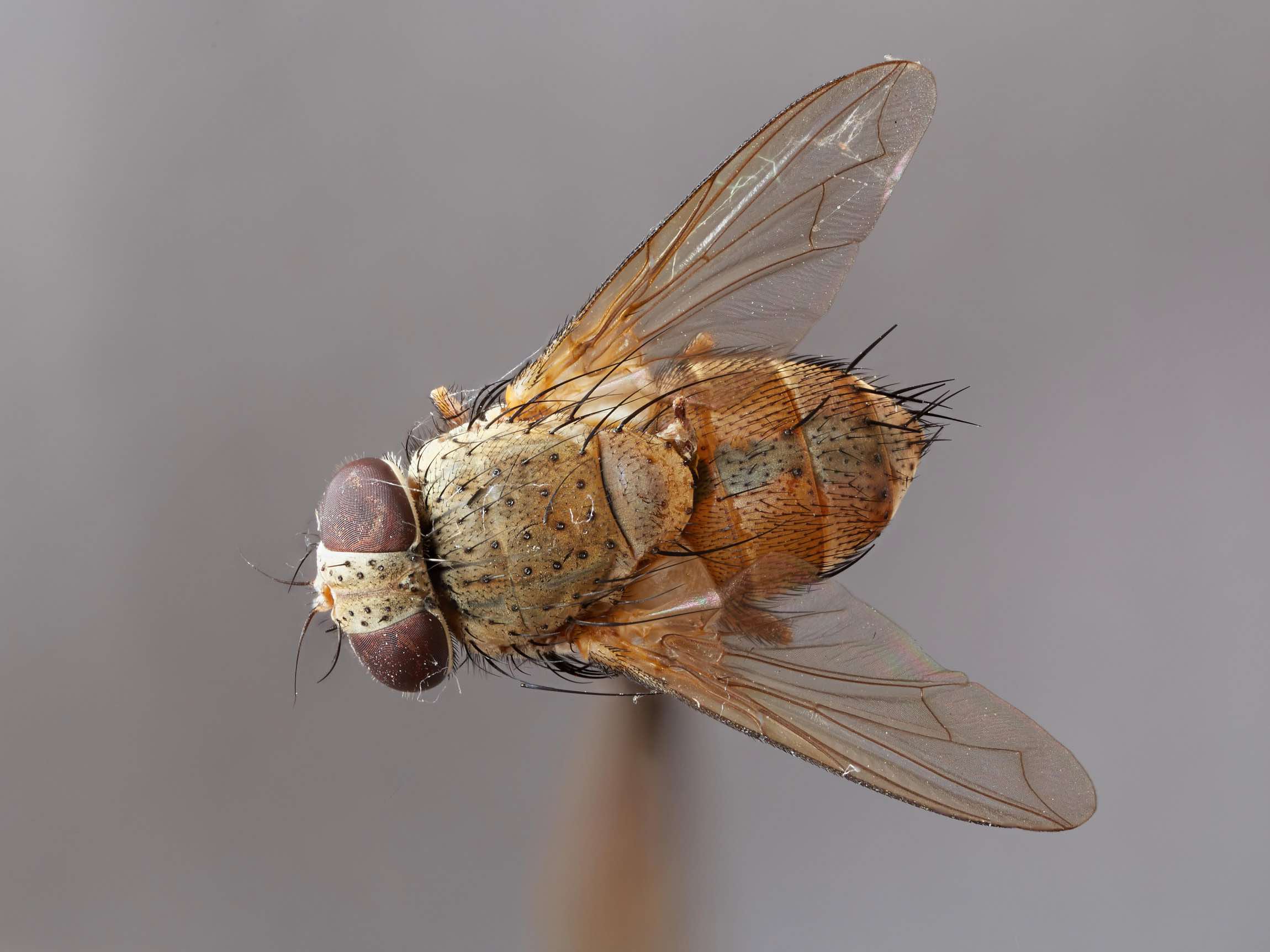 [191.88Kb] |
|
|
|
| Flippie |
Posted on 28-03-2016 23:56
|
|
Member Location: Posts: 284 Joined: 11.01.16 |
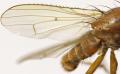
Photo 4:
Flippie attached the following image: 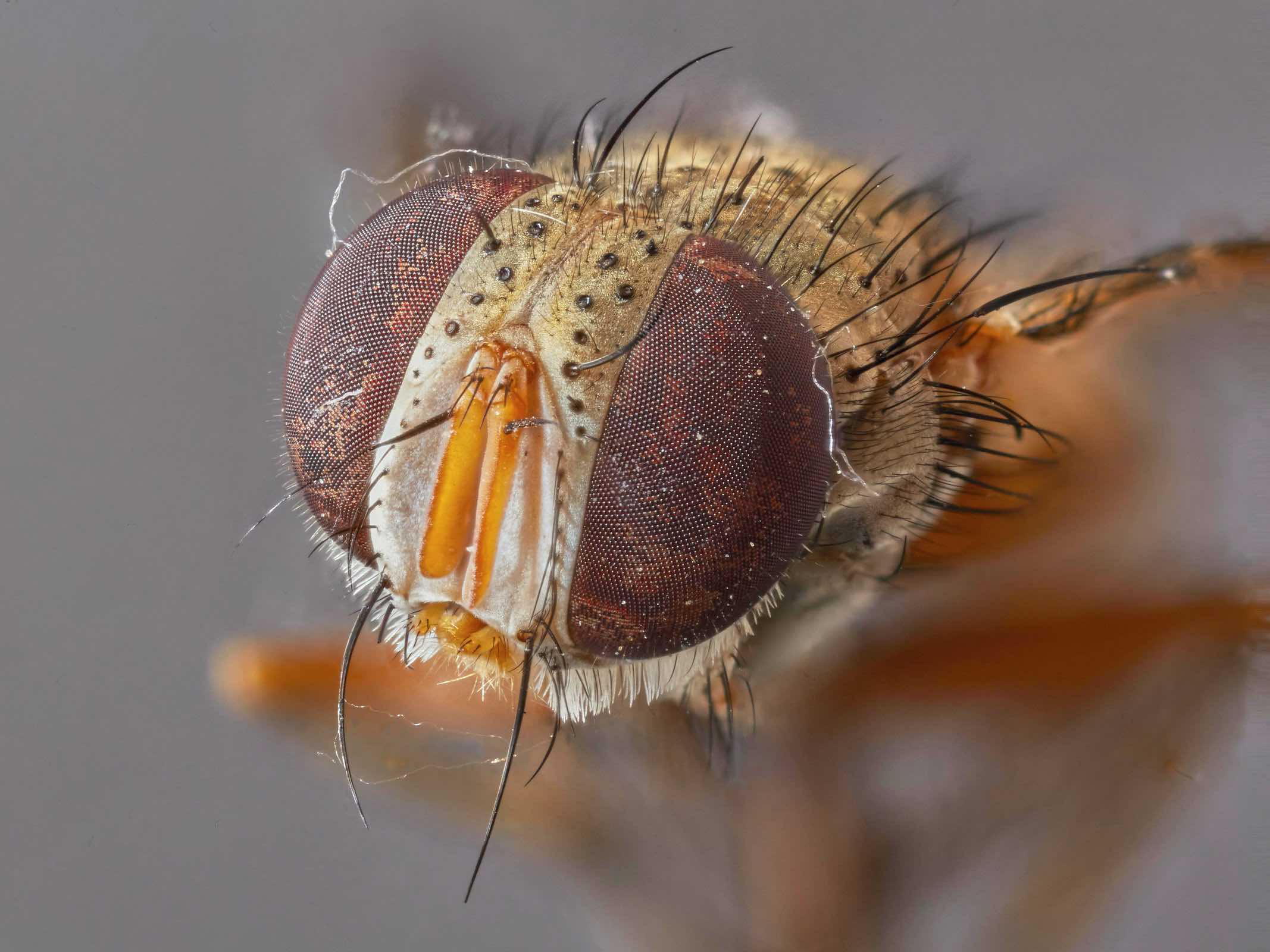 [193.28Kb] |
|
|
|
| Flippie |
Posted on 28-03-2016 23:56
|
|
Member Location: Posts: 284 Joined: 11.01.16 |
Photo 5:
Flippie attached the following image: 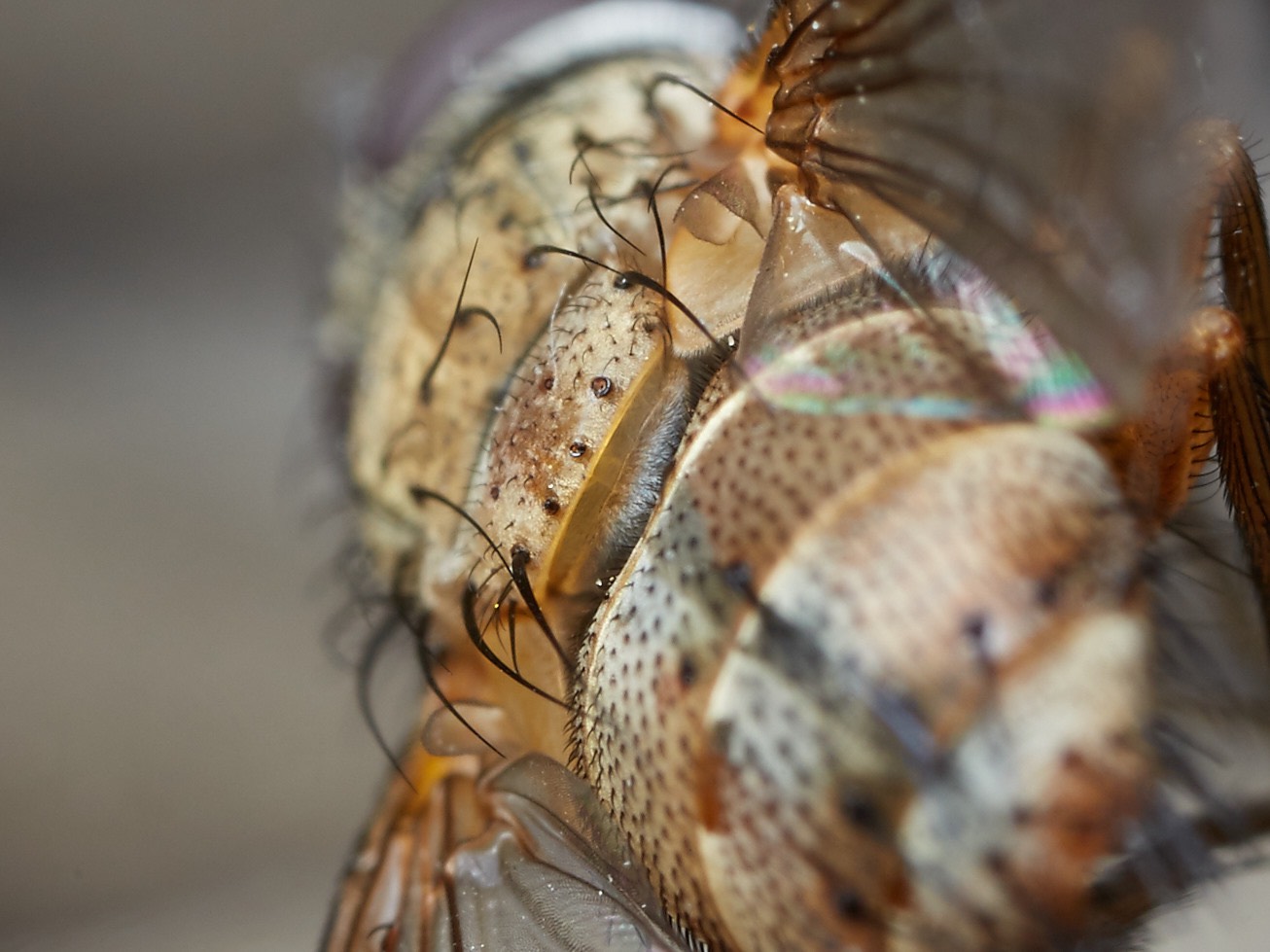 [192.64Kb] |
|
|
|
| Zeegers |
Posted on 29-03-2016 09:39
|
|
Member Location: Soest, NL Posts: 19380 Joined: 21.07.04 |
That is a very nice surprise, Flippie ! It is clearly a species of Anacamptomyia, a genus that is special within Tachinidae since it parasites on Ropalidia and related Vespidae. Aculeata are extremely rare as hosts for Tachinidae (and pretty common for Sarcophagidae). I myself recently described three species new to science in this genus (Tijdschrift voor Entomologie), so the genus is kind of special for me. This is the female of Anacamptomyia africana, as far as I can tell from these pictures. Theo |
|
|
|
| John Carr |
Posted on 29-03-2016 10:19
|
 Super Administrator Location: Colorado, USA Posts: 10697 Joined: 22.10.10 |
Zeegers wrote: That is a very nice surprise, Flippie ! It is clearly a species of Anacamptomyia, a genus that is special within Tachinidae since it parasites on Ropalidia and related Vespidae. Aculeata are extremely rare as hosts for Tachinidae (and pretty common for Sarcophagidae). I myself recently described three species new to science in this genus (Tijdschrift voor Entomologie), so the genus is kind of special for me. This is the female of Anacamptomyia africana, as far as I can tell from these pictures. Theo Is it closely related to any Northern Hemisphere genera? |
 |
|
| Zeegers |
Posted on 29-03-2016 10:31
|
|
Member Location: Soest, NL Posts: 19380 Joined: 21.07.04 |
Well, what is northern Hemisphere ? The Anacamptomyiini are restricted to the Old World tropics. In the Afrotropical Region, Yemen is the northernmost locality. Related genera are known as northern as Madras, India. Still a very hot place. Theo |
|
|
|
| John Carr |
Posted on 29-03-2016 10:47
|
|
Super Administrator Location: Colorado, USA Posts: 10697 Joined: 22.10.10 |
I should have said holarctic. I thought it could be Exoristini. |
|
|
|
| Zeegers |
Posted on 29-03-2016 10:54
|
|
Member Location: Soest, NL Posts: 19380 Joined: 21.07.04 |
No, it is in Eryciini. Anacamptomyia and related genera (Parapales, Koralliomyia and Euvespivora) clearly form a monophyletic group within Eryciini (previously indicated as 'tribe Anacamptomyiini" . They occur from the Afrotropics to the southern part of the Oriental into northern Australia. The genus Anacamptomyia is Afrotropical, Madagascar and Yemen included. . They occur from the Afrotropics to the southern part of the Oriental into northern Australia. The genus Anacamptomyia is Afrotropical, Madagascar and Yemen included.Not Palaearctic neither Nearctic (neither Neotropical, for that matter). Theo |
|
|
|
| Zeegers |
Posted on 29-03-2016 10:55
|
|
Member Location: Soest, NL Posts: 19380 Joined: 21.07.04 |
Oh, the nearly touching parafrontal plates are higly characteristic for the genus,, as are the strong frontal bristles on facial ridge, lack of ocellars and general yellow colouration. Theo |
|
|
|
| Flippie |
Posted on 29-03-2016 12:28
|
|
Member Location: Posts: 284 Joined: 11.01.16 |
Thank you Theo! That is very exciting and interesting. Thanks also for the pointers to the Genus. Cheers Philip |
|
|
|
| John Carr |
Posted on 30-03-2016 01:27
|
|
Super Administrator Location: Colorado, USA Posts: 10697 Joined: 22.10.10 |
Zeegers wrote: No, it is in Eryciini. Anacamptomyia and related genera (Parapales, Koralliomyia and Euvespivora) clearly form a monophyletic group within Eryciini (previously indicated as 'tribe Anacamptomyiini"). They occur from the Afrotropics to the southern part of the Oriental into northern Australia. The genus Anacamptomyia is Afrotropical, Madagascar and Yemen included. Not Palaearctic neither Nearctic (neither Neotropical, for that matter). Theo Is Eryciini itself monophyletic? Or is it "all Goniini+Eryciini that are not Goniini"? Or do I have to wait for the molecular work for an answer? |
|
|
|
| Zeegers |
Posted on 30-03-2016 17:21
|
|
Member Location: Soest, NL Posts: 19380 Joined: 21.07.04 |
John Stireman III and coworkers are - indeed - working on this. It seems obvious that Goniini on the one hand and Exoristinae on the other hand are monophyletic. All in between ... ? It also depends on your definitions. Winthemiini have a high probablilty of being monophyletic as well. But since Blondeliini are clearly not, some Blondeliini might end up in Eryciiini. And, as you suggest, it might very well be that (Eryciiini + Goniini) in the porpe sense in monophyletic, but that Eryciini in itself is not. There are some preliminary studies by Tachi and Shima, if you are interested, and Stireman and Cerretti gave some info in Tachinid Times 2015. Theo |
|
|
|
| Jump to Forum: |