


Diptera.info :: Identification queries :: Diptera (adults)
Who is here? 1 guest(s)
 Australian Ulidiidae
|
|
| Graeme Cocks |
Posted on 09-02-2015 19:09
|
 Member Location: Townsville, Australia Posts: 3083 Joined: 09.09.08 |
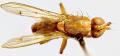
I think this is Platystomatidae. Can anyone suggest a genus? Graeme Cocks attached the following image: 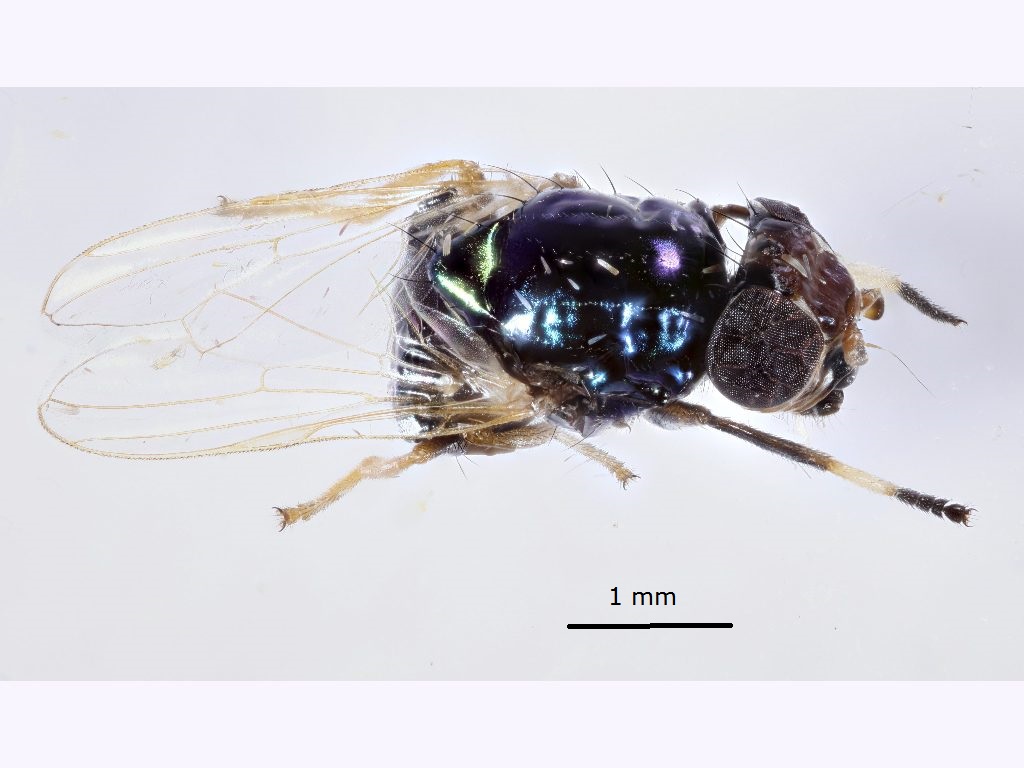 [118.36Kb] Edited by Graeme Cocks on 10-02-2015 19:47 |
 |
|
| Graeme Cocks |
Posted on 09-02-2015 19:09
|
|
Member Location: Townsville, Australia Posts: 3083 Joined: 09.09.08 |
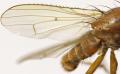
. Graeme Cocks attached the following image: 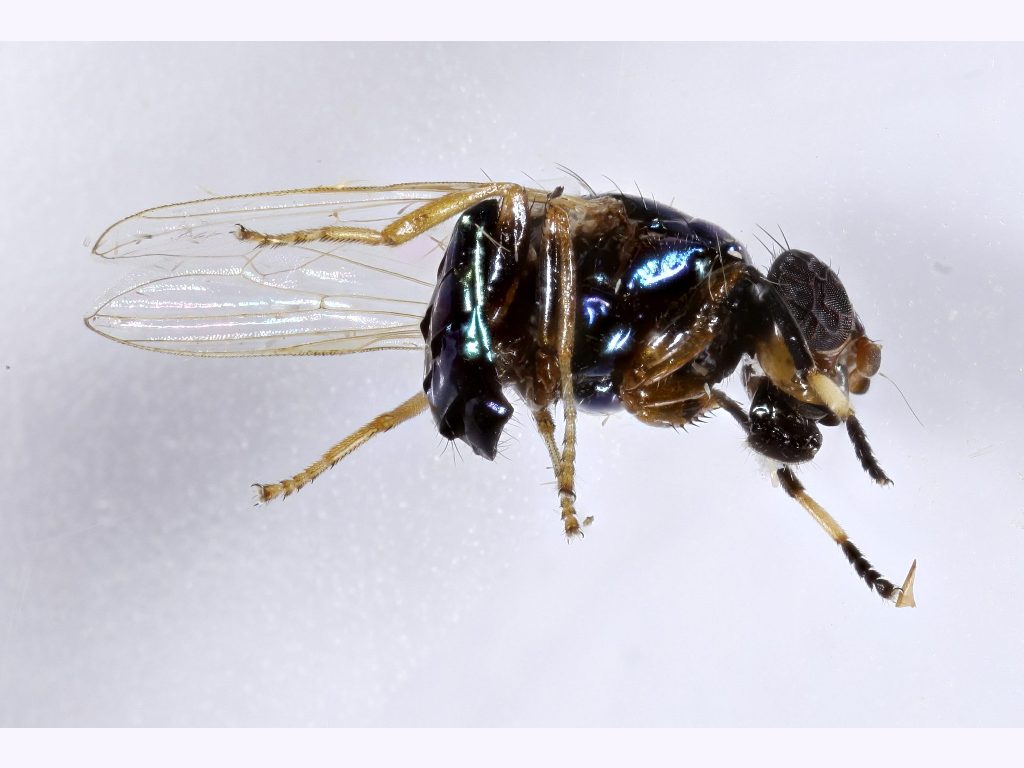 [73.59Kb] |
|
|
|
| Gerard Pennards |
Posted on 09-02-2015 19:41
|
 Member Location: Amersfoort Posts: 1914 Joined: 07.06.04 |
I'd say its Ulidiidae, something like Physiphora or close. Wait until Valery comes by....
Greetings, Gerard Pennards |
|
|
|
| Graeme Cocks |
Posted on 09-02-2015 19:59
|
|
Member Location: Townsville, Australia Posts: 3083 Joined: 09.09.08 |
Thanks Gerard. |
|
|
|
| Nosferatumyia |
Posted on 09-02-2015 23:25
|
 Member Location: Posts: 3580 Joined: 28.12.07 |
Dear Graeme: This is a Physiphora (Ulidiidae), and this is really an extraordinary finding, as this can be either another Physiphora species introduced from Africa or a native undescribed species. Collecting of additional material is strongly recommended. Larvae are common in rotting vegetables or stems of palms or succulents as Euphorbia; adults are attracted to fresh feces of bird droppings. Edited by Nosferatumyia on 10-02-2015 01:02 Val |
|
|
|
| Nosferatumyia |
Posted on 09-02-2015 23:31
|
|
Member Location: Posts: 3580 Joined: 28.12.07 |
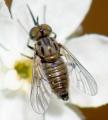
Another aspect, with frontal view of the head is badly needed, like this:
Nosferatumyia attached the following image: 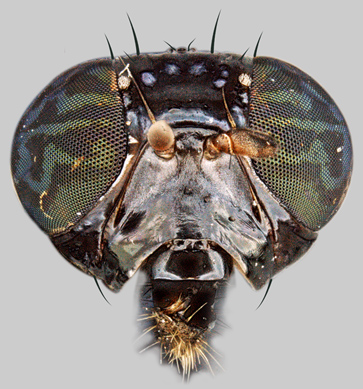 [124.98Kb] Edited by Nosferatumyia on 09-02-2015 23:33 Val |
|
|
|
| Graeme Cocks |
Posted on 10-02-2015 00:20
|
|
Member Location: Townsville, Australia Posts: 3083 Joined: 09.09.08 |
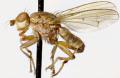
Is this what you want? Haven't got the mouth parts. So could have another go if you need it. Graeme Cocks attached the following image: 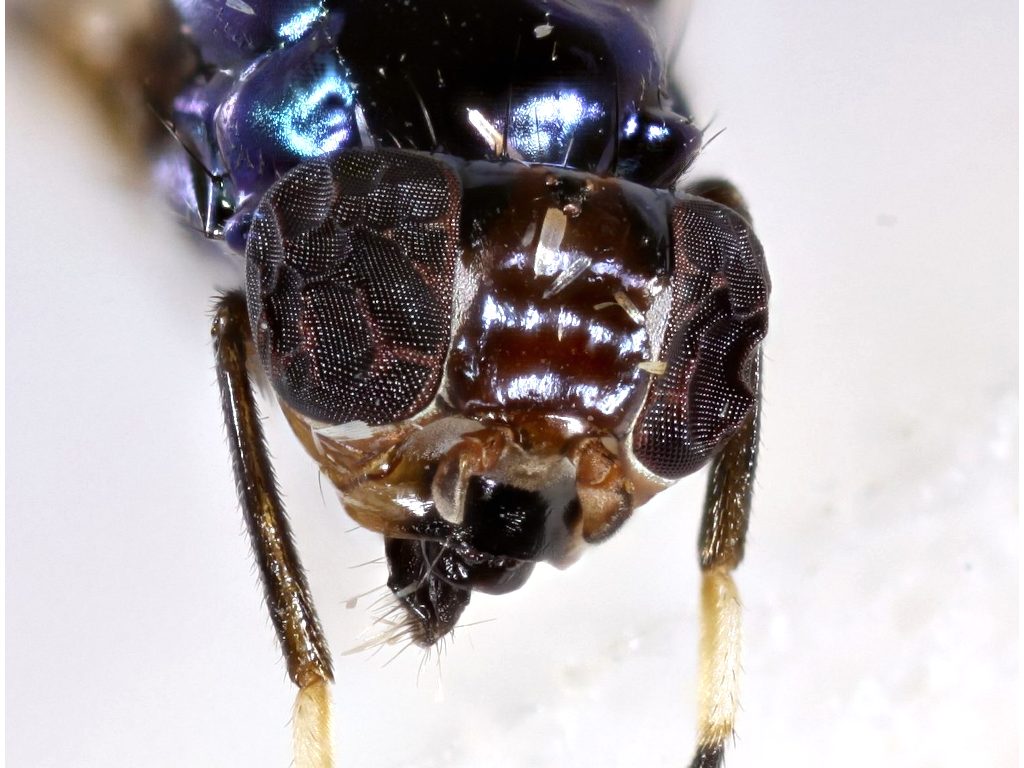 [114.11Kb] |
|
|
|
| Graeme Cocks |
Posted on 10-02-2015 00:32
|
|
Member Location: Townsville, Australia Posts: 3083 Joined: 09.09.08 |
Enlargement of head from picture 2. Graeme Cocks attached the following image: 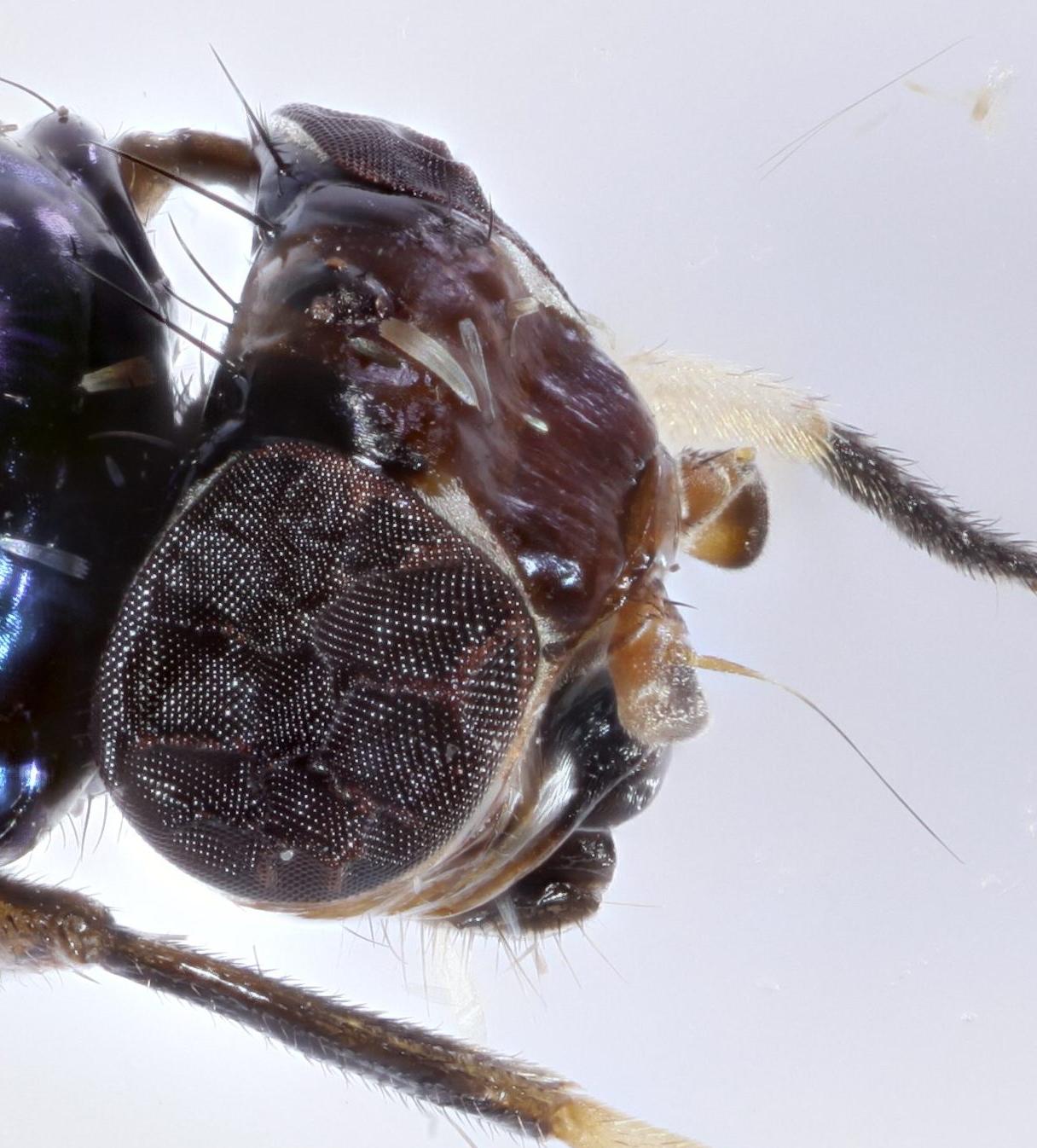 [164.38Kb] |
|
|
|
| Nosferatumyia |
Posted on 10-02-2015 00:40
|
|
Member Location: Posts: 3580 Joined: 28.12.07 |
It is close to, but certainly not identical to African P. violacea (on the picture, differing by the shape of white tometose spot at frontal orbit, cuneiform rather than round (on my picture). I suppose it can be another new species, for we (Elena Kameneva and I) have nothing like that in the material of the revision of Physiphora, worldwide. Collecting a male is especially important, for highly complicated male phallus structure is highly species-specific. Edited by Nosferatumyia on 10-02-2015 00:41 Val |
|
|
|
| Nosferatumyia |
Posted on 10-02-2015 00:47
|
|
Member Location: Posts: 3580 Joined: 28.12.07 |
P. violacea
Nosferatumyia attached the following image: 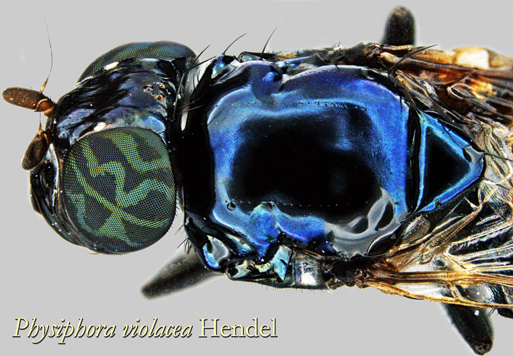 [169.35Kb] Edited by Nosferatumyia on 10-02-2015 00:47 Val |
|
|
|
| Graeme Cocks |
Posted on 10-02-2015 01:10
|
|
Member Location: Townsville, Australia Posts: 3083 Joined: 09.09.08 |
Yes I see what you mean about the spot. Are you sure it's not Physiphora clausa, which I have collect here?
Edited by Graeme Cocks on 10-02-2015 01:11 |
|
|
|
| Nosferatumyia |
Posted on 10-02-2015 01:21
|
|
Member Location: Posts: 3580 Joined: 28.12.07 |
P. clausa is similar except green body with purple scutellum and widely yellow legs. Unless the colour of your fly has been altered by an organic solvent (though I have never seen such specimens, too), it is not. But such a possibility exists...
Nosferatumyia attached the following image: 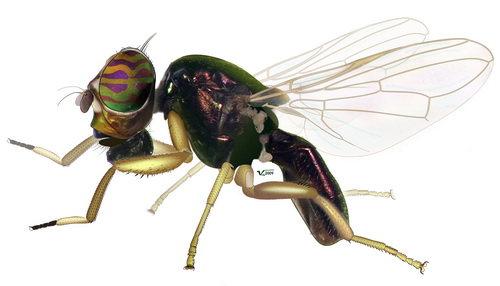 [49.39Kb] Edited by Nosferatumyia on 10-02-2015 01:29 Val |
|
|
|
| Nosferatumyia |
Posted on 10-02-2015 01:29
|
|
Member Location: Posts: 3580 Joined: 28.12.07 |
Mesonotum
Nosferatumyia attached the following image: 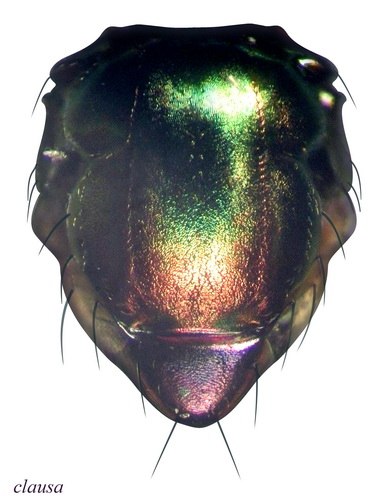 [76.41Kb] Edited by Nosferatumyia on 10-02-2015 01:30 Val |
|
|
|
| Nosferatumyia |
Posted on 10-02-2015 01:31
|
|
Member Location: Posts: 3580 Joined: 28.12.07 |
and face
Nosferatumyia attached the following image: 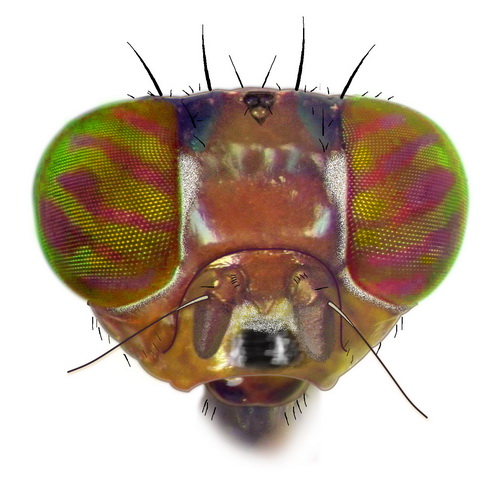 [85.35Kb] Edited by Nosferatumyia on 10-02-2015 01:31 Val |
|
|
|
| Graeme Cocks |
Posted on 10-02-2015 01:36
|
|
Member Location: Townsville, Australia Posts: 3083 Joined: 09.09.08 |
Yes, all the clausa I've seen are distinctly green as you say. No this fly has not been near any solvent, and colour is quite fresh as it was only collected 2 days ago. Is it a male? |
|
|
|
| Nosferatumyia |
Posted on 10-02-2015 07:17
|
|
Member Location: Posts: 3580 Joined: 28.12.07 |
N0. your specimen is a female.
Val |
|
|
|
| Jump to Forum: |