


Diptera.info :: Identification queries :: Diptera (adults)
 Anthomyiidae?? (England): probably Botanophila fugax
|
|
| Martin Cooper |
Posted on 19-09-2014 12:04
|
|
Member Location: Ipswich, Suffolk Posts: 628 Joined: 01.05.12 |
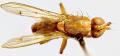
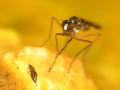
Not at all sure about this one. Maybe Anthomyiidae? Photographed on 7 Aug 2014 in my back garden, Ipswich, Suffolk, UK. Any suggestions? Martin Cooper attached the following image: 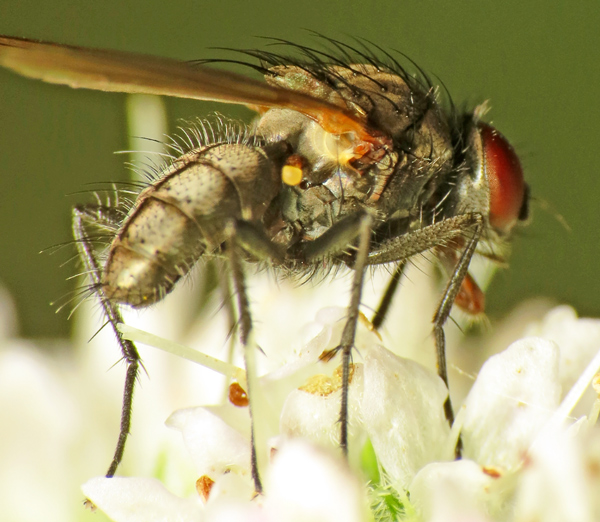 [182.83Kb] Edited by Martin Cooper on 21-09-2014 12:04 |
|
|
|
| Martin Cooper |
Posted on 19-09-2014 12:04
|
|
Member Location: Ipswich, Suffolk Posts: 628 Joined: 01.05.12 |
.
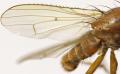
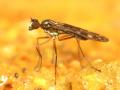
Martin Cooper attached the following image: 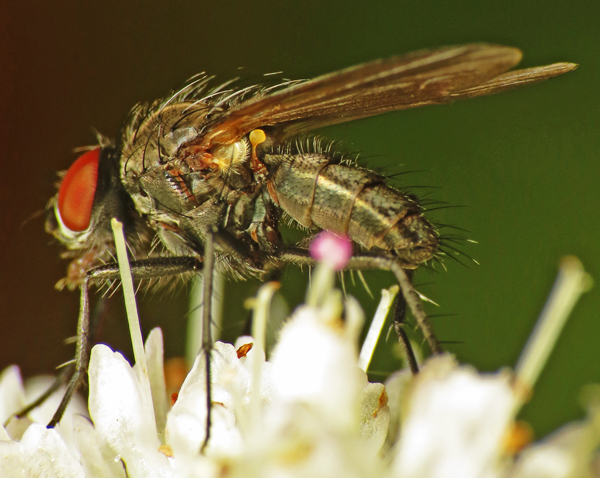 [170.28Kb] |
|
|
|
| Martin Cooper |
Posted on 19-09-2014 12:04
|
|
Member Location: Ipswich, Suffolk Posts: 628 Joined: 01.05.12 |
.
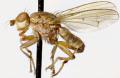
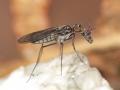
Martin Cooper attached the following image: 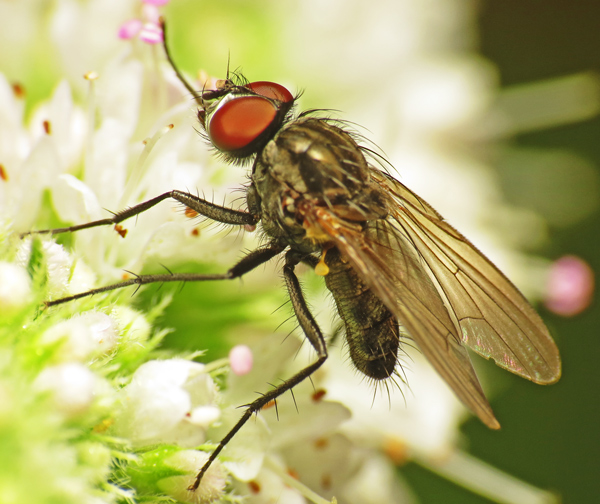 [173.09Kb] |
|
|
|
| Martin Cooper |
Posted on 19-09-2014 12:05
|
|
Member Location: Ipswich, Suffolk Posts: 628 Joined: 01.05.12 |
.
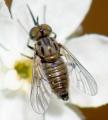
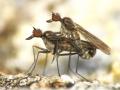
Martin Cooper attached the following image: 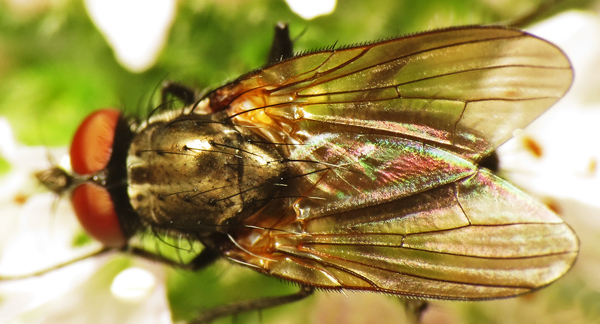 [180.9Kb] |
|
|
|
| Martin Cooper |
Posted on 19-09-2014 12:05
|
|
Member Location: Ipswich, Suffolk Posts: 628 Joined: 01.05.12 |
.
Martin Cooper attached the following image: 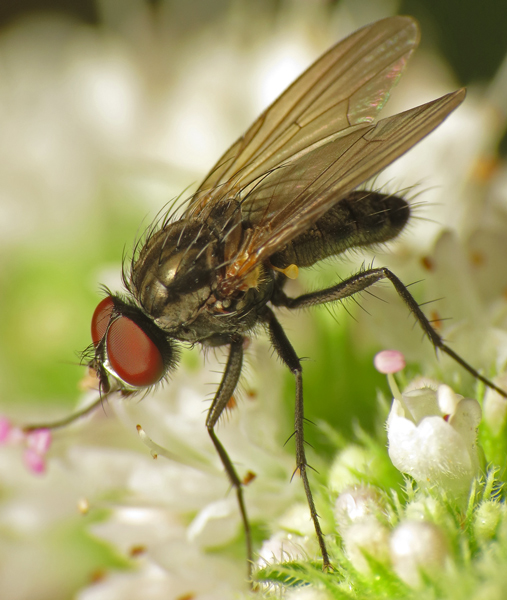 [191.64Kb] |
|
|
|
| Martin Cooper |
Posted on 19-09-2014 12:06
|
|
Member Location: Ipswich, Suffolk Posts: 628 Joined: 01.05.12 |
.
Martin Cooper attached the following image: 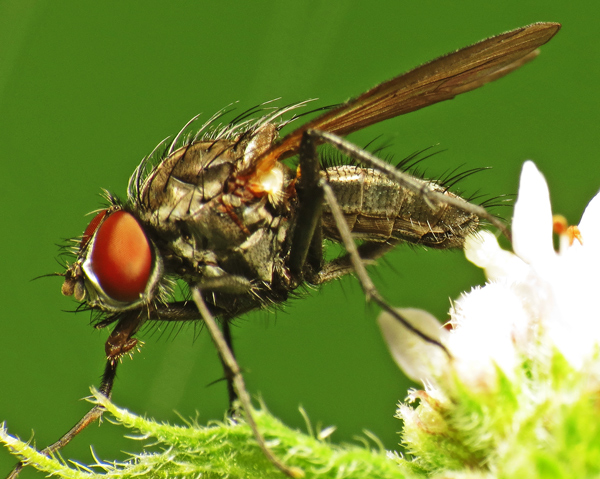 [194.22Kb] |
|
|
|
| javanerkelens |
Posted on 19-09-2014 21:42
|
 Member Location: Netherlands Posts: 2962 Joined: 18.10.07 |
Difficult....I have doubt between Lasiomma or Delia spec. Some important characteristics are not visible or blur on these (nice) photos. Is it possible to make a crop of the notopleuron area (to see if there are little hairs present, it seems so, but also could be from some longer hairs below.......and a crop from the eyes to see if there are little hairs on them) Johanna Edited by javanerkelens on 19-09-2014 21:45 |
|
|
|
| Martin Cooper |
Posted on 20-09-2014 00:04
|
|
Member Location: Ipswich, Suffolk Posts: 628 Joined: 01.05.12 |
Thanks Johanna. Here is the best crop I could do showing the notopleuron area...
Martin Cooper attached the following image: 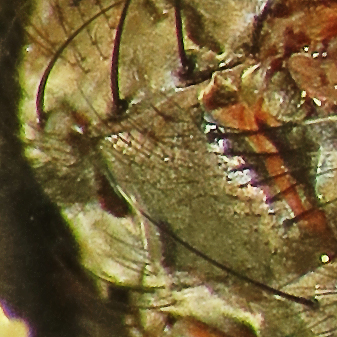 [137.94Kb] |
|
|
|
| Martin Cooper |
Posted on 20-09-2014 00:05
|
|
Member Location: Ipswich, Suffolk Posts: 628 Joined: 01.05.12 |
... and the eyes
Martin Cooper attached the following image: 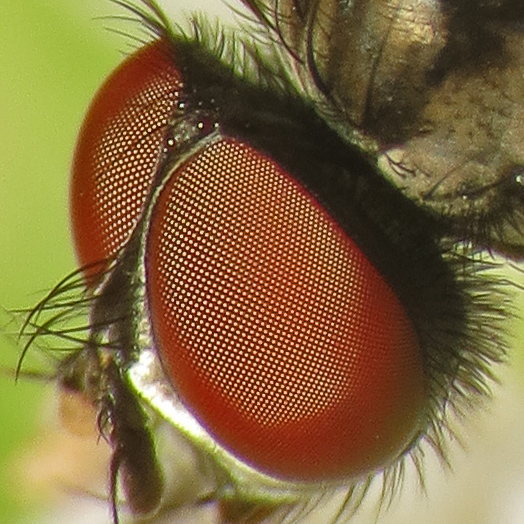 [195.75Kb] |
|
|
|
| Michael Ackland |
Posted on 20-09-2014 09:43
|
|
Member Location: Dorset UK Posts: 680 Joined: 23.02.08 |
Joanna is right. In spite of the good photos most of the distinguishing characters are difficult to photograph from a live specimen. A shot of the end of the abdomen from below might make it identifiable (sternite 5), but you need to catch and pin the specimen and shoot it under the microscope, or at least with a powerful macro lens. I would quess at a Delia species and in the Delia cardui species group. The long ventral setae on the hind femur, and the rather long setae on the 5th tergite look familiar, and I may look through my collection to see if I can find something similar. |
|
|
|
| Martin Cooper |
Posted on 20-09-2014 10:42
|
|
Member Location: Ipswich, Suffolk Posts: 628 Joined: 01.05.12 |
Thanks Michael. Here are my two best shots of the end of the abdomen from below.
Martin Cooper attached the following image: 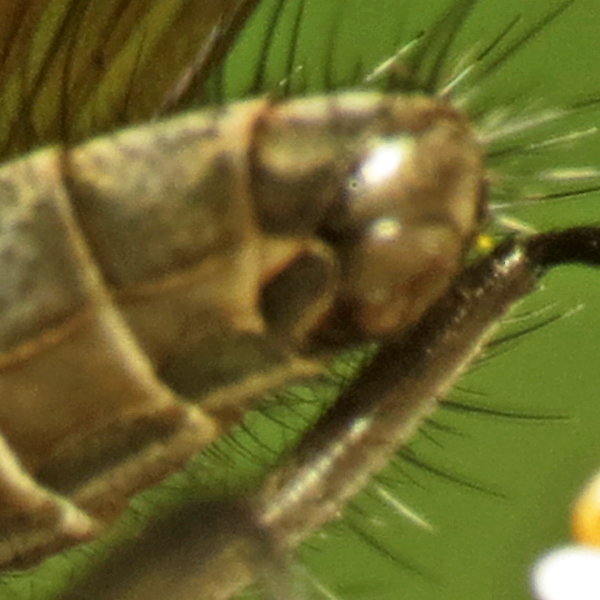 [190.89Kb] |
|
|
|
| Martin Cooper |
Posted on 20-09-2014 10:42
|
|
Member Location: Ipswich, Suffolk Posts: 628 Joined: 01.05.12 |
and this one...
Martin Cooper attached the following image: 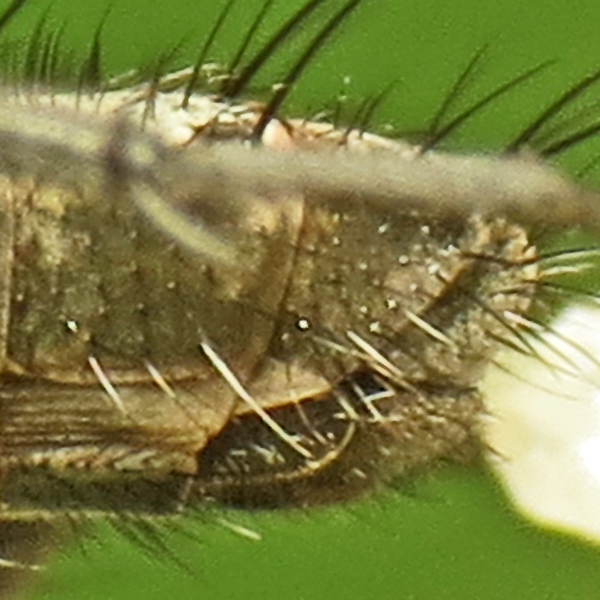 [190.9Kb] |
|
|
|
| javanerkelens |
Posted on 20-09-2014 22:21
|
|
Member Location: Netherlands Posts: 2962 Joined: 18.10.07 |
Michael is my highly appreciated teacher in Anthomyiidae, so how could I disagree with him………but as pigheaded student I now think, this could be Botanophila fugax and I will explane why: --Below the upper postocular row, there seems to be another row of setulae. (not common in Delia) --There seems to be one stronger pair of acrostichals, followed by rows of fine hairs --On the midtibia it looks like there are two strong pd and 2 posterior one’s (only one visible on the photos) --Many fine hairs present in the area above the prealar --The lower posterior katepisternal seems as strong as the upper one. --The 4-5 strong av setea on the hindfemur and 3 av setae on the hindtibia. --Also the shape of the 5th-sternite could fit….. But……can I be sure….absolute not! Therefore Michael is fully right……you have to collect to be sure. Johanna 
Edited by javanerkelens on 20-09-2014 22:22 |
|
|
|
| Michael Ackland |
Posted on 21-09-2014 10:38
|
|
Member Location: Dorset UK Posts: 680 Joined: 23.02.08 |
Thank you for your kind remarks Joanna. I think you are right, and it is probably Botanophila fugax. A male of this species is easy to ID under the microscope. The much stronger presutural acrostichals setae, followed by very short and fine hairs for the remaining acr setae; and the slightly shining abdominal tergites with a strong median vitta are good characters. I was dubious about this photo as the abdomen viewed laterally appears only slightly compressed, and the parafacials are rather shining silvery. I compared the photo with many males of Botanophila fugax in my collection and the abdomens are mostly rather flattened in basal half. This is no doubt explained by shrinkage in the drying. The inner margins of the processes of the fifth sternite are very characteristic in fugax, where they are shining. One can't see this in the photo unless it is shot from a certain angle. I notice that the 5th tergite of the abdomen has long hindmarginal setae directed posteriorly. This shows in the photo. All the characters mentioned by Joanna are also correct. As said many times before, identifying Anthomyiidae from a live photo is fraught with difficulty, and the final criterion for males is always to dissect the genitalia which are nearly always diagonostic. So if you want an accurate ID please collect a specimen as Joanna keeps saying! I am delighted that my highly regarded student Joanna has pointed her finger at the correct ID of this species |
|
|
|
| Martin Cooper |
Posted on 21-09-2014 12:03
|
|
Member Location: Ipswich, Suffolk Posts: 628 Joined: 01.05.12 |
Thanks you both very much indeed for spending your time on my photos. |
|
|
|
| Jump to Forum: |