


Diptera.info :: Identification queries :: Diptera (adults)
 Tachinid>Solieria pacifica
|
|
| philporter |
Posted on 19-08-2012 15:21
|
|
Member Location: Lincoln UK Posts: 554 Joined: 07.02.07 |
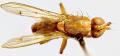
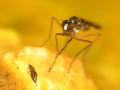
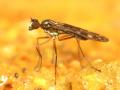
I'm having to pass this on because whichever key I use the answer is the same - Leskia aurea. Caught 15/8/12 Temple Bruer, Lincolnshire UK. However it doesn't look anywhere near as bright as some of the European pictures on the Forum and the antennae look rather large and dark. Over to you..... Regards Phil Porter philporter attached the following image: 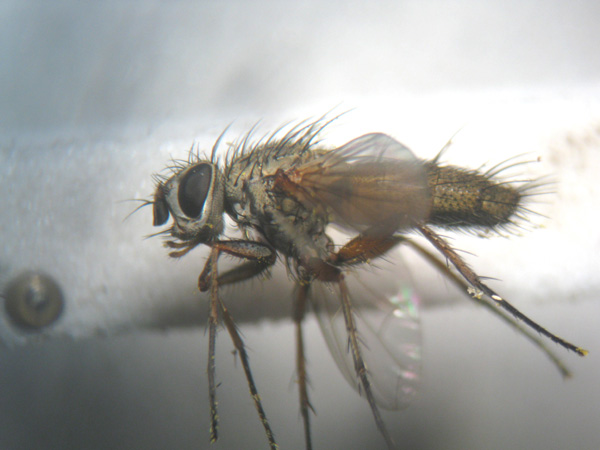 [81.71Kb] Edited by philporter on 20-08-2012 21:05 |
|
|
|
| philporter |
Posted on 19-08-2012 15:21
|
|
Member Location: Lincoln UK Posts: 554 Joined: 07.02.07 |
2
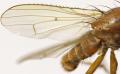
philporter attached the following image: 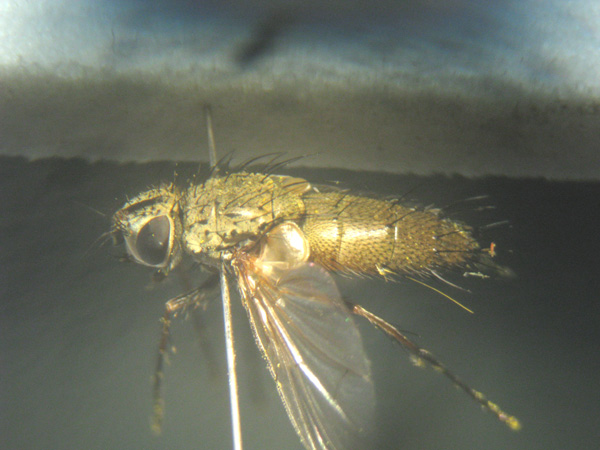 [99.68Kb] |
|
|
|
| philporter |
Posted on 19-08-2012 15:22
|
|
Member Location: Lincoln UK Posts: 554 Joined: 07.02.07 |
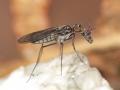
3
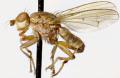
philporter attached the following image: 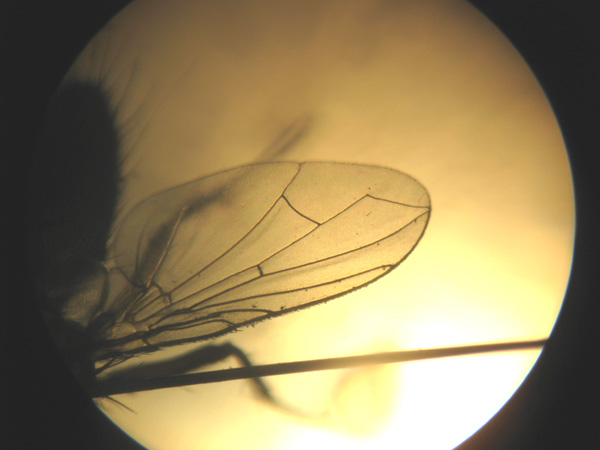 [70.2Kb] |
|
|
|
| ChrisR |
Posted on 19-08-2012 19:29
|
 Super Administrator Location: Reading, England Posts: 7706 Joined: 12.07.04 |
Not Leskia  Does is have a plumose arista? If so then try Dinera grisescens and if not then try female Solieria. Does is have a plumose arista? If so then try Dinera grisescens and if not then try female Solieria.
Manager of the UK Species Inventory in the Angela Marmont Centre for UK Biodiversity at the Natural History Museum, London. |
 |
|
| philporter |
Posted on 20-08-2012 11:17
|
|
Member Location: Lincoln UK Posts: 554 Joined: 07.02.07 |
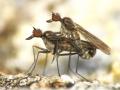
Thanks Chris. In that case it appears to be Solieria. You say female? I was hoping these terminalia were male, in which case it would be S. pacifica.
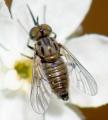
philporter attached the following image: 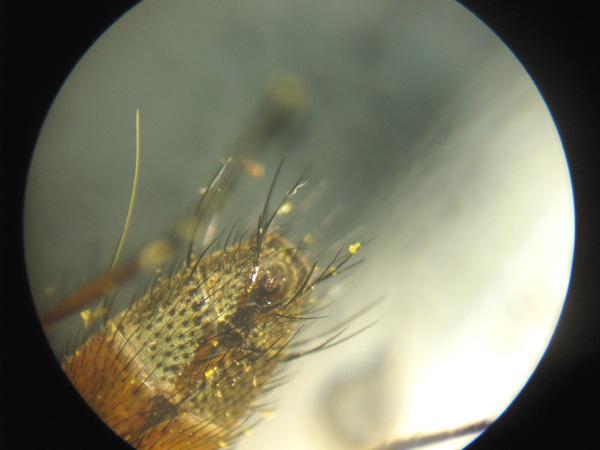 [86.95Kb] |
|
|
|
| philporter |
Posted on 20-08-2012 11:18
|
|
Member Location: Lincoln UK Posts: 554 Joined: 07.02.07 |
2
philporter attached the following image: 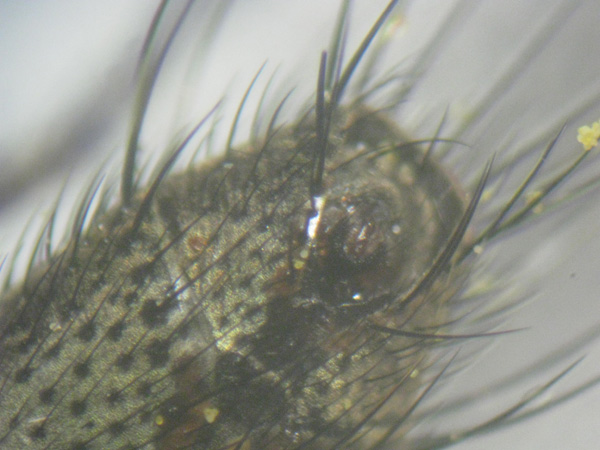 [103.69Kb] |
|
|
|
| ChrisR |
Posted on 20-08-2012 12:34
|
|
Super Administrator Location: Reading, England Posts: 7706 Joined: 12.07.04 |
That's ok - you're right - male  The colour in the first photos was a bit confusing The colour in the first photos was a bit confusing
Manager of the UK Species Inventory in the Angela Marmont Centre for UK Biodiversity at the Natural History Museum, London. |
|
|
|
| Zeegers |
Posted on 20-08-2012 20:44
|
|
Member Location: Soest, NL Posts: 19327 Joined: 21.07.04 |
So it is S. pacifica, by far the most common one. Theo |
|
|
|
| philporter |
Posted on 20-08-2012 21:10
|
|
Member Location: Lincoln UK Posts: 554 Joined: 07.02.07 |
Thanks Chris and Theo. Incidently I originally went wrong in the key at the couplet separating species with orange patches on side of abdomen, which I followed as I considered the whole abdomen to be orange. I now see that I have posted this species before, picturing a specimen that was less brightly coloured. Regards Phil |
|
|
|
| Jump to Forum: |