

Diptera.info :: Identification queries :: Diptera (adults)
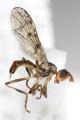
 Fly for ID please
|
|
| Toby |
Posted on 08-08-2012 23:54
|
 Member Location: SW LONDON Posts: 552 Joined: 12.01.07 |
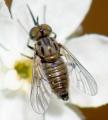
Field in Kew, SW London today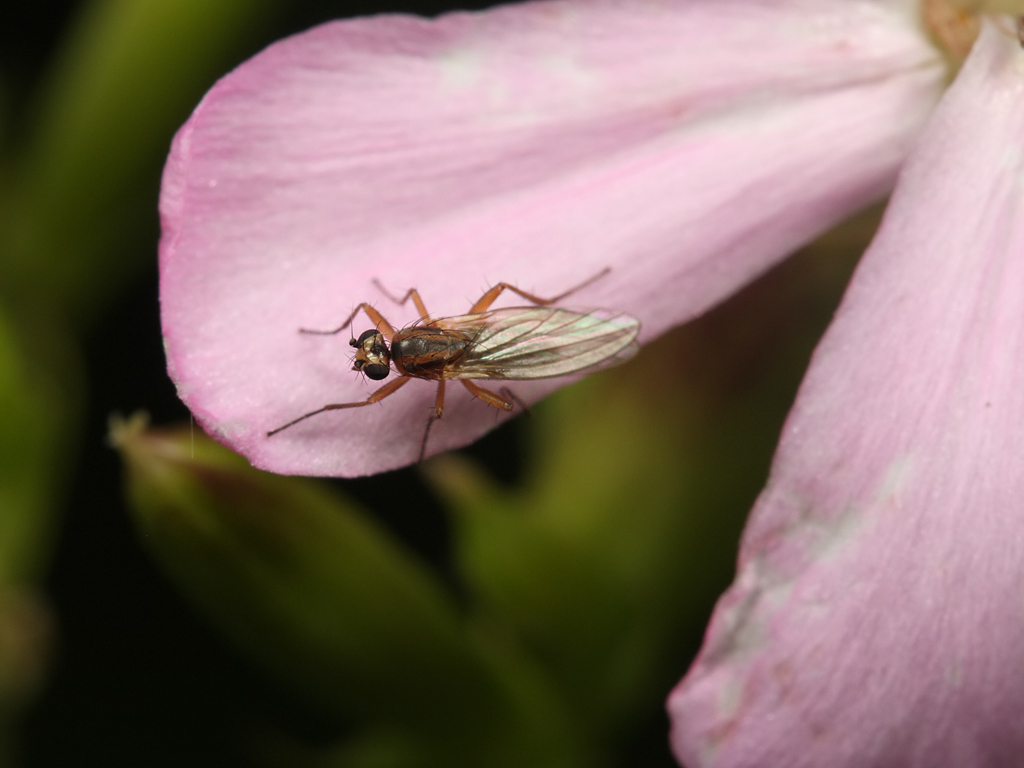
Toby |
|
|
|
| Gnats2meetu |
Posted on 09-08-2012 12:39
|
 Member Location: York, U.K. Posts: 303 Joined: 06.07.09 |
Lonchopteridae
Edited by Gnats2meetu on 09-08-2012 12:40 Bobby D Jorvík |
|
|
|
| Mark-uk |
Posted on 09-08-2012 13:17
|
 Member Location: UK - Hampshire Posts: 792 Joined: 01.02.10 |
Lonchoptera lutea - female |
|
|
|
| Toby |
Posted on 12-10-2012 22:14
|
|
Member Location: SW LONDON Posts: 552 Joined: 12.01.07 |
thanks for ID
Toby |
|
|
|
| Juergen Peters |
Posted on 12-10-2012 23:41
|
 Member Location: northwest Germany Posts: 14532 Joined: 11.09.04 |
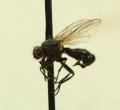
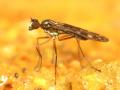
Hello, Mark! Mark-uk wrote: Lonchoptera lutea - female These flies are numerous here in northwest Germany these days, too. Beside some rarer species Lonchoptera lutea and bifurcata are said to be most abundant. Could you please tell me, how you distinguish these two from a photo? Below one I shot on September-21 in a forest. Juergen Peters attached the following image: 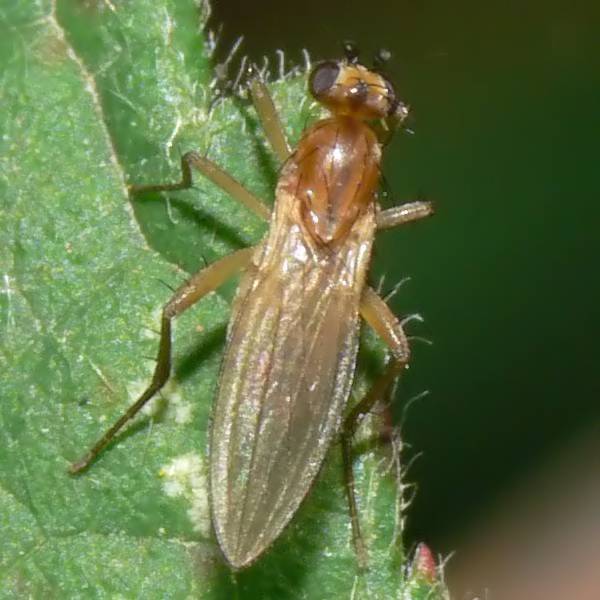 [41.55Kb] Best regards, Jürgen -=-=-=-=-=-=-=-=-=-=-=-=-=-=-=-= Juergen Peters Borgholzhausen, Germany WWW: http://insektenfo... -=-=-=-=-=-=-=-=-=-=-=-=-=-=-=-= |
 |
|
| Mark-uk |
Posted on 15-10-2012 20:44
|
|
Member Location: UK - Hampshire Posts: 792 Joined: 01.02.10 |
Often I go on 'look' - having gone through a few thousand this year alone. I couldn't be 100% about the one in your photo, but it looks to have a ventral bristle about two thirds down the middle tibia. Which when separating Lonchoptera lutea and bifurcata, would make it bifurcata (some other Lonchoptera have this bristle too - but most are separated other ways) the vertical bristles are light in bifurcata and dark in lutea. If they are males they will lutea (unles you are really lucky - even so the genitalia are small in bifurcata if you where to find one). There is also something about the back of the jowels that I can't put into words. In southern England I would say I have about 20% bifurcata/80% lutea, thought varies from site to site - it would interesting to know how this compares the the rest of Europe? I have had two nice finds of L. nitidifrons this year. I have found two L. nigrociliata at a site where I found two L. meijerei last year, on fast flowing rivers - not the normal habitat for either species. L. tristis are normally an autumn species, but found some mid summer this year - this I put down to the very wet weather, there are still a few about. Try looking on rather damp beech leaf litter, this seems to be a favoured location, easy to spot in the field, they are slightly larger than bifurcata/lutea and an even consistent brown colour. The males have a distinctive bent mid tibia. It would be nice to have a photo of one on this site. L scutellata still eludes me, but has been found by other collectors at sites I visit often. |
|
|
|
| Juergen Peters |
Posted on 15-10-2012 21:05
|
|
Member Location: northwest Germany Posts: 14532 Joined: 11.09.04 |
Hello, Mark! Thank you very much for your detailed explanation! Best regards, Jürgen -=-=-=-=-=-=-=-=-=-=-=-=-=-=-=-= Juergen Peters Borgholzhausen, Germany WWW: http://insektenfo... -=-=-=-=-=-=-=-=-=-=-=-=-=-=-=-= |
|
|
|
| Jump to Forum: |