


Diptera.info :: Identification queries :: Diptera (adults)
 Anthomyiidae male
|
|
| philporter |
Posted on 19-01-2012 18:00
|
|
Member Location: Lincoln UK Posts: 554 Joined: 07.02.07 |
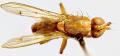
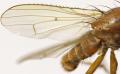
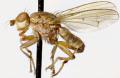
Small male anthomyiid, 3 post dc’s, 2 pre dc’s, small acrostichals, biserial with darker central stripe, tiny scutellar apicals crossed, large sub-apicals diverging but not crossing, eyes bare, mentum stout, lightly dusted, pre-alar longer that rear notopleural (if I’ve got my bristles right), notopleuron with a few hairs well below bristles, lower squama hidden, parafacials dusted brown, arista pubescent, sternopleurals 1:2, no hairs on tergite 6, no apical av on tibia 3. Does this add up to genus or better please? 11/11/11 Lincoln UK philporter attached the following image: 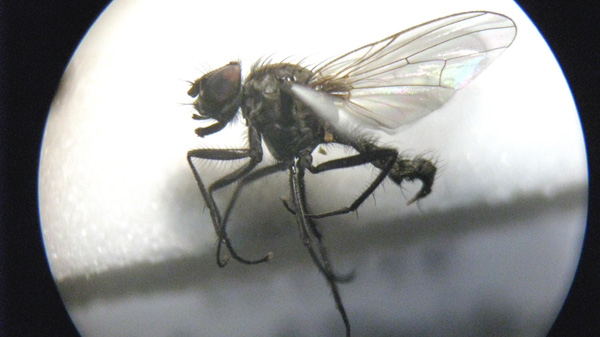 [77.23Kb] Edited by philporter on 19-01-2012 23:03 |
|
|
|
| philporter |
Posted on 19-01-2012 18:01
|
|
Member Location: Lincoln UK Posts: 554 Joined: 07.02.07 |
2
philporter attached the following image: 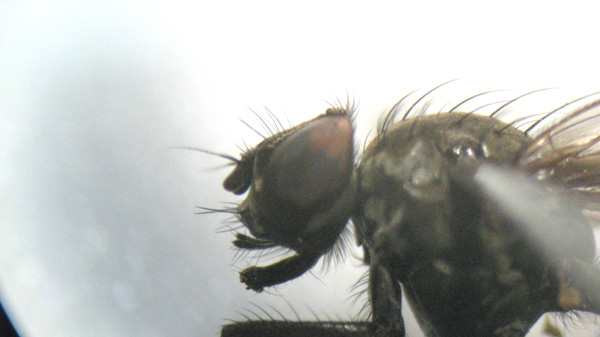 [67.27Kb] |
|
|
|
| philporter |
Posted on 19-01-2012 18:03
|
|
Member Location: Lincoln UK Posts: 554 Joined: 07.02.07 |
3
philporter attached the following image: 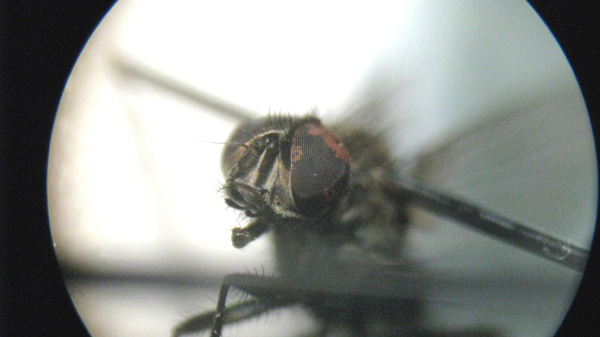 [66.91Kb] |
|
|
|
| philporter |
Posted on 19-01-2012 18:04
|
|
Member Location: Lincoln UK Posts: 554 Joined: 07.02.07 |
4
philporter attached the following image: 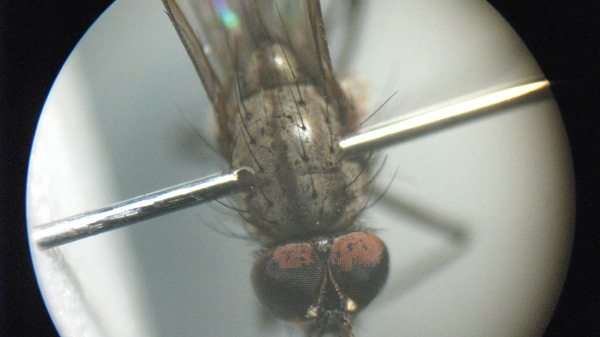 [77.04Kb] |
|
|
|
| philporter |
Posted on 19-01-2012 18:05
|
|
Member Location: Lincoln UK Posts: 554 Joined: 07.02.07 |
5
philporter attached the following image: 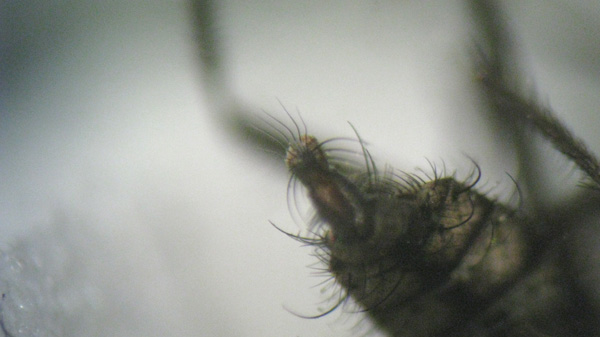 [67.53Kb] |
|
|
|
| philporter |
Posted on 19-01-2012 18:06
|
|
Member Location: Lincoln UK Posts: 554 Joined: 07.02.07 |
6
philporter attached the following image: 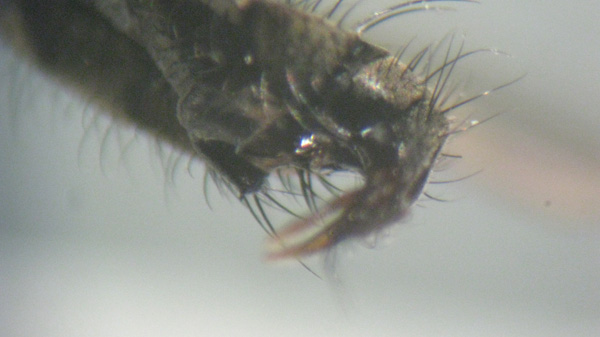 [67.58Kb] |
|
|
|
| philporter |
Posted on 19-01-2012 18:07
|
|
Member Location: Lincoln UK Posts: 554 Joined: 07.02.07 |
7
philporter attached the following image: 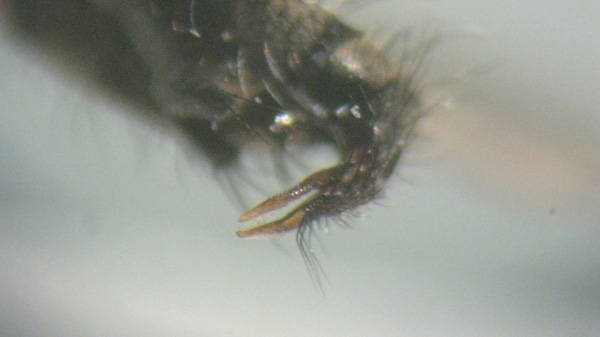 [64.33Kb] |
|
|
|
| oxycera |
Posted on 19-01-2012 18:45
|
|
Member Location: Barnsley, South Yorkshire Posts: 251 Joined: 31.12.09 |
Maybe worth considering Paregle audacula? |
|
|
|
| javanerkelens |
Posted on 19-01-2012 21:24
|
 Member Location: Netherlands Posts: 2962 Joined: 18.10.07 |
Check for Delia platura / florilega ! |
|
|
|
| Stephen R |
Posted on 19-01-2012 21:34
|
 Member Location: Clitheroe Lancashire UK Posts: 2396 Joined: 12.06.09 |
I've been thinking along those lines too. There's a lot here that reminds me of D. platura if it weren't for the notopleural hairing.
Edited by Stephen R on 19-01-2012 21:36 |
|
|
|
| javanerkelens |
Posted on 19-01-2012 22:22
|
|
Member Location: Netherlands Posts: 2962 Joined: 18.10.07 |
We can see the typical row of av on the hindtibia. Maybe Phil mistaken the hairs on top of the katepisternal for hairs on the notopleural. So check if there are little hairs between the two notopleural bristels. If you like, I can show it with an example...... |
|
|
|
| Stephen R |
Posted on 19-01-2012 22:47
|
|
Member Location: Clitheroe Lancashire UK Posts: 2396 Joined: 12.06.09 |
Perhaps image 6 shows the spatulate seta on the st5 process of D. florilega? The shape of the surstyli looks convincing. |
|
|
|
| philporter |
Posted on 19-01-2012 23:00
|
|
Member Location: Lincoln UK Posts: 554 Joined: 07.02.07 |
Many thanks to all concerned. I will check these features. Best regards Phil Porter |
|
|
|
| Michael Ackland |
Posted on 20-01-2012 12:57
|
|
Member Location: Dorset UK Posts: 680 Joined: 23.02.08 |
Delia platura/florilega. Probably florilega. Need to see the dorsal surface of mid tarsomere 1 which has some long setae in florilega. This species has no hairs on notopleural area |
|
|
|
| philporter |
Posted on 20-01-2012 21:29
|
|
Member Location: Lincoln UK Posts: 554 Joined: 07.02.07 |
Thank you Michael. It is entirely possible that the hairs I saw related to the pleuron below. I will check your information next chance I get. Regards Phil Porter |
|
|
|
| philporter |
Posted on 23-01-2012 09:57
|
|
Member Location: Lincoln UK Posts: 554 Joined: 07.02.07 |
Michael, no long hairs on any tarsomeres so presume platura? Regards Phil Porter |
|
|
|
| Michael Ackland |
Posted on 24-01-2012 11:03
|
|
Member Location: Dorset UK Posts: 680 Joined: 23.02.08 |
Yes Delia platura is the world's most widely spread anthomyiid. Found in all continents except Antartica. So it is probably also the world's most photographed anthomyiid. |
|
|
|
| Jump to Forum: |