


Diptera.info :: Identification queries :: Diptera (adults)
 Pegomya solennis, adult and larva
|
|
| Enka |
Posted on 10-01-2012 01:02
|
 Member Location: Belgrade, Serbia Posts: 618 Joined: 14.12.11 |
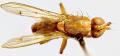
Please, can someone identify the species of this fly? Larva and pupae are of the same species. Larva is a miner on Rumex sp. plant. Thanks! Enka attached the following image: 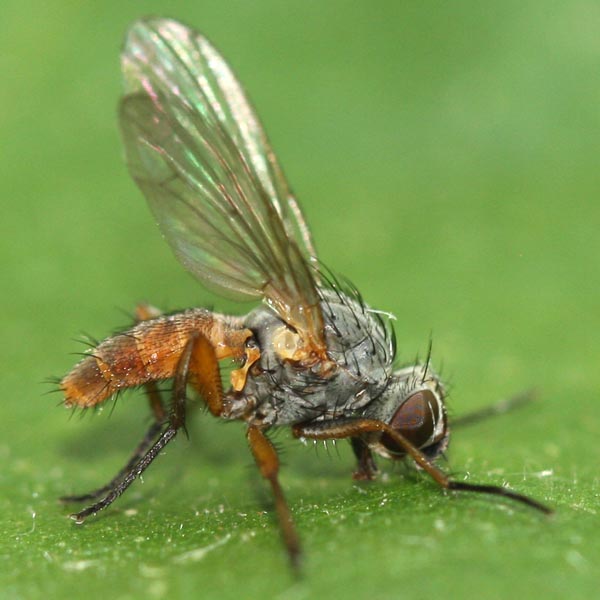 [58.7Kb] Edited by Enka on 11-01-2012 03:08 |
|
|
|
| Enka |
Posted on 10-01-2012 01:03
|
|
Member Location: Belgrade, Serbia Posts: 618 Joined: 14.12.11 |
...
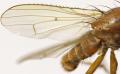
Enka attached the following image: 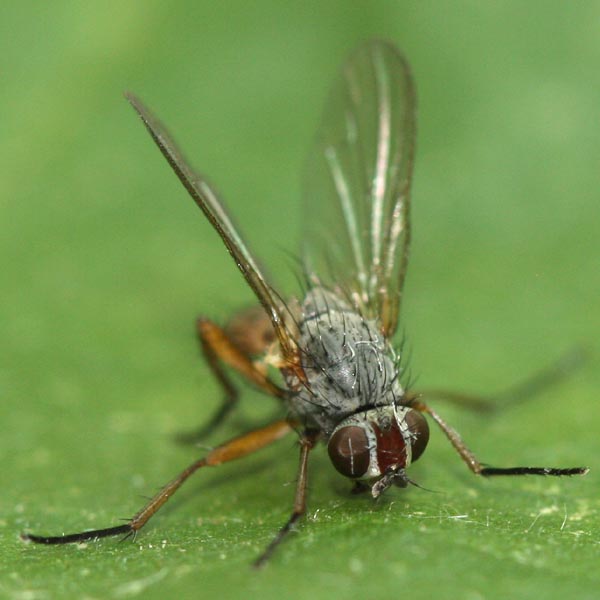 [49.36Kb] |
|
|
|
| Enka |
Posted on 10-01-2012 01:03
|
|
Member Location: Belgrade, Serbia Posts: 618 Joined: 14.12.11 |
...
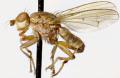
Enka attached the following image: 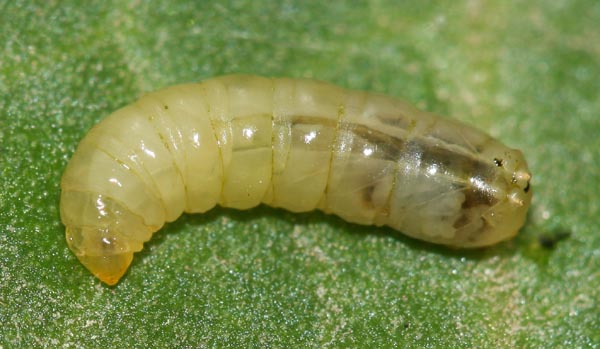 [57.52Kb] |
|
|
|
| Enka |
Posted on 10-01-2012 01:07
|
|
Member Location: Belgrade, Serbia Posts: 618 Joined: 14.12.11 |
...
Enka attached the following image: 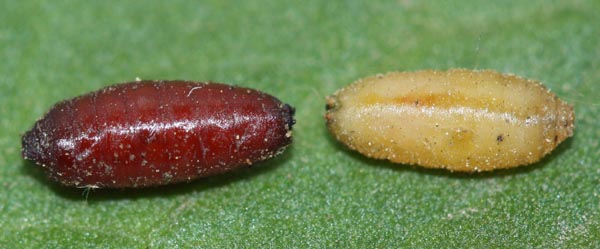 [44.93Kb] |
|
|
|
| Tony Irwin |
Posted on 10-01-2012 10:30
|
 Member Location: Norwich, England Posts: 7347 Joined: 19.11.04 |
Pegomya (Anthomyiidae)
Tony ---------- Tony Irwin |
|
|
|
| Stephen R |
Posted on 10-01-2012 10:30
|
 Member Location: Clitheroe Lancashire UK Posts: 2396 Joined: 12.06.09 |
I'd say Pegomya sp. (female). For plant association, see http://www.ukflym...RUMEX.html Edited by Stephen R on 10-01-2012 10:34 |
|
|
|
| Stephen R |
Posted on 10-01-2012 10:40
|
|
Member Location: Clitheroe Lancashire UK Posts: 2396 Joined: 12.06.09 |
I think it's probably P. bicolor, as I think I see three equal preapical setae on the dorsal side of the hind tibia in image 1.
Edited by Stephen R on 10-01-2012 10:40 |
|
|
|
| Enka |
Posted on 10-01-2012 13:04
|
|
Member Location: Belgrade, Serbia Posts: 618 Joined: 14.12.11 |
Yes, damage on leaves looks like this. Thank you very much. |
|
|
|
| javanerkelens |
Posted on 10-01-2012 21:55
|
 Member Location: Netherlands Posts: 2962 Joined: 18.10.07 |
Prealar seems long, forefemur infuscated and coxae brownish / yellow, ..... So I have doubt if it is P. bicolor (in female the forefemur should be whole yellow, also coxae and prealar short) But....whole antennae looks very dark. I would say, P. solennis, but with female ...always difficult!! (and the P. bicolor from the link....I also have doubt if it is P. bicolor) |
|
|
|
| Enka |
Posted on 11-01-2012 03:07
|
|
Member Location: Belgrade, Serbia Posts: 618 Joined: 14.12.11 |
javanerkelens wrote: but with female ...always difficult!! ...  Thanks! |
|
|
|
| Jump to Forum: |