


Diptera.info :: Identification queries :: Diptera (adults)
 Australian Lonchaeidae
|
|
| Graeme Cocks |
Posted on 04-01-2012 02:13
|
 Member Location: Townsville, Australia Posts: 3083 Joined: 09.09.08 |
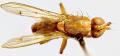
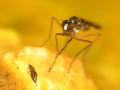
Can any one suggest a family? Possibly Lonchaeidae? Malaise trap, Townsville, Queensland. Graeme Cocks attached the following image: 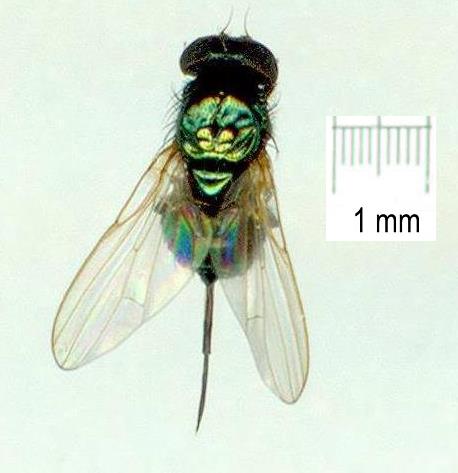 [21.8Kb] Edited by Graeme Cocks on 06-01-2012 00:18 |
 |
|
| Graeme Cocks |
Posted on 04-01-2012 02:14
|
|
Member Location: Townsville, Australia Posts: 3083 Joined: 09.09.08 |
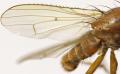
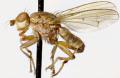
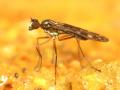
Another fly of the same species. Graeme Cocks attached the following image: 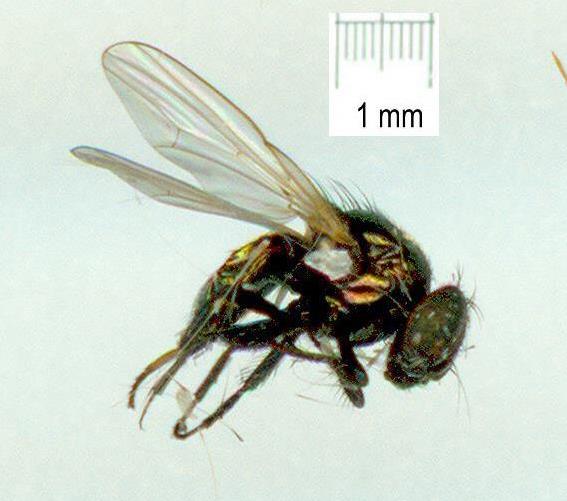 [33.04Kb] |
|
|
|
| Iain MacGowan |
Posted on 04-01-2012 10:53
|
 Member Location: Perth, Scotland Posts: 471 Joined: 25.11.04 |
Hi Graeme Most probably a female Lamprolonchaea brouniana just check to see if the frons is wrinkled - more info at http://lonchaeidae.myspecies.info/category/lonchaeidae-classification-and-species-info/lonchaeidae/lonchaeinae/lamprolonchaea/brouniana/ Always happy to see any Australian lonchaeidae if you have malaise trap material ......... Iain Iain MacGowan |
|
|
|
| Graeme Cocks |
Posted on 04-01-2012 20:49
|
|
Member Location: Townsville, Australia Posts: 3083 Joined: 09.09.08 |
Thanks Iain. I don't have those flies anymore to check for the frons feature. But I now know what to look for should I encounter any more. Cheers, Graeme |
|
|
|
| Graeme Cocks |
Posted on 06-01-2012 00:17
|
|
Member Location: Townsville, Australia Posts: 3083 Joined: 09.09.08 |
Hi Iain, collected another Lonchaeidae and it does not have the wrinkles on the frons you suggest. I've got an advantage also. My insects end up at BOLD and are DNA'd. There are 6 specimens identified as L. brouniana and mine have different DNA. Cheers, Graeme |
|
|
|
| Iain MacGowan |
Posted on 06-01-2012 11:28
|
|
Member Location: Perth, Scotland Posts: 471 Joined: 25.11.04 |
Hi Graeme There are a few other Lamprolonchaea species in Australia although L. brouniana seems to be the commonest and by far the most widespread. In his recent paper on L. brouniana Mark Blackett also records L. smaragdi from Queensland but from memory I think there were only a few examples. This genus is difficult to identify and can really only be done on the basis of male genitalia (or DNA?). If you have a male it should be possible to put a name to it ............ Iain Iain MacGowan |
|
|
|
| Graeme Cocks |
Posted on 06-01-2012 20:36
|
|
Member Location: Townsville, Australia Posts: 3083 Joined: 09.09.08 |
Thanks Iain. I'll see if I can collect a few for you. |
|
|
|
| Jump to Forum: |