


Diptera.info :: Identification queries :: Diptera (adults)
Who is here? 1 guest(s)
 Tachinid for ID, C Spain --> Cylindromyia rufifrons
|
|
| Piluca_Alvarez |
Posted on 22-08-2011 22:01
|
 Member Location: Madrid, Spain Posts: 2431 Joined: 06.11.10 |
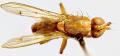
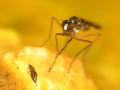
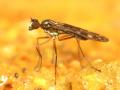
Taken in the mountains of Madrid on the 18th August 2011. Thanks in advance for any help!
Piluca_Alvarez attached the following image: 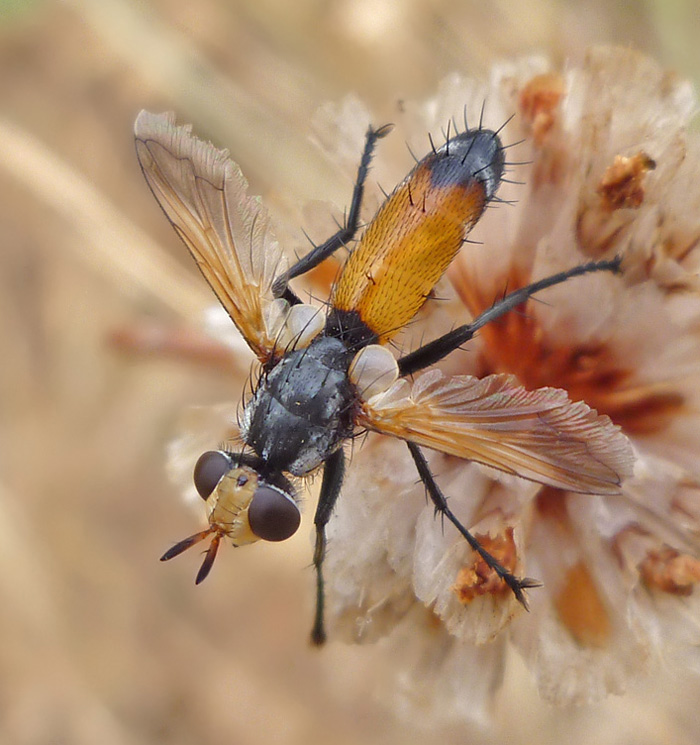 [174.52Kb] Edited by Piluca_Alvarez on 12-11-2011 18:15 |
|
|
|
| Piluca_Alvarez |
Posted on 22-08-2011 22:02
|
|
Member Location: Madrid, Spain Posts: 2431 Joined: 06.11.10 |
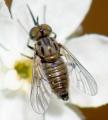
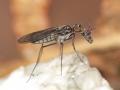
A frontal view.
Piluca_Alvarez attached the following image: 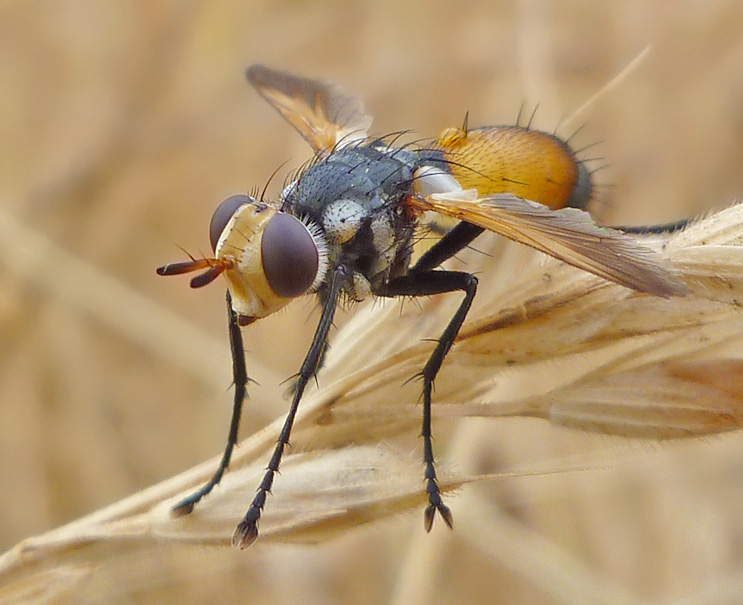 [146.34Kb] |
|
|
|
| Cor Zonneveld |
Posted on 22-08-2011 22:08
|
 Member Location: Amstelveen, the Netherlands Posts: 840 Joined: 14.10.06 |
beautiful photos! Seems to me Cylindromyia spec Thanks for your attention Cor Zonneveld |
 |
|
| ChrisR |
Posted on 22-08-2011 22:59
|
 Super Administrator Location: Reading, England Posts: 7706 Joined: 12.07.04 |
Cylindromyia rubrifrons perhaps? It's not a species that I am very familiar with so others might correct me 
Manager of the UK Species Inventory in the Angela Marmont Centre for UK Biodiversity at the Natural History Museum, London. |
|
|
|
| jorgemotalmeida |
Posted on 22-08-2011 23:12
|
 Member Location: Viseu - PORTUGAL Posts: 9296 Joined: 05.06.06 |
I'd say C. rufifrons too. But others more experienced on this can confirm.. |
|
|
|
| Piluca_Alvarez |
Posted on 23-08-2011 07:15
|
|
Member Location: Madrid, Spain Posts: 2431 Joined: 06.11.10 |
Thanks a lot to you all for your help!!
Edited by Piluca_Alvarez on 23-08-2011 07:15 |
|
|
|
| Piluca_Alvarez |
Posted on 12-11-2011 17:03
|
|
Member Location: Madrid, Spain Posts: 2431 Joined: 06.11.10 |
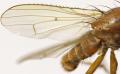
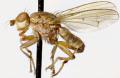
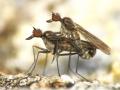
Now that I have learnt a bit about Cylindromyia, I am adding another picture where we can see a feature that cannot be seen in the other pictures: lack of posteroventral bristles on the back tibia. I guess the combination of very long antennae, 3rd antennal segment long, no vibrissae and the lack of posteroventral bristles on the back tibia confirm that it is indeed C. rufifrons. Confirmation would be much appreciated!! 
Piluca_Alvarez attached the following image: 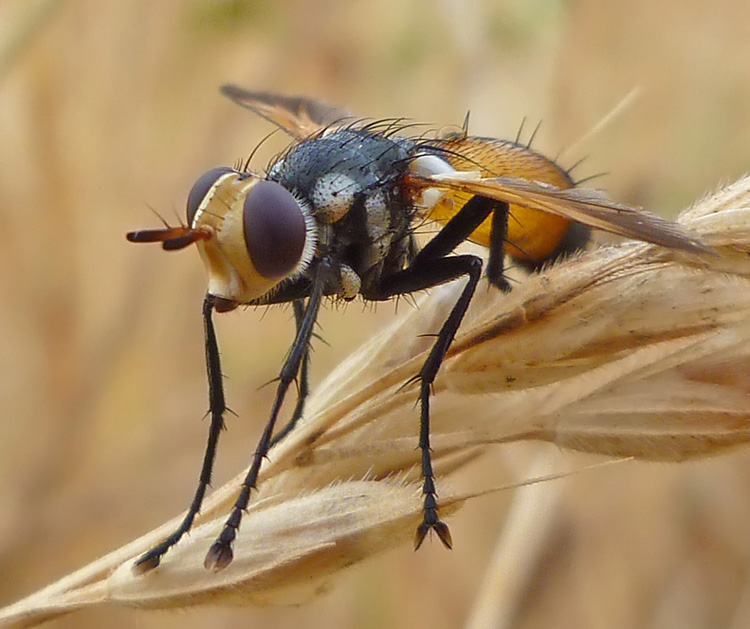 [153.98Kb] |
|
|
|
| Zeegers |
Posted on 12-11-2011 17:22
|
|
Member Location: Soest, NL Posts: 19310 Joined: 21.07.04 |
Vibrissae are virtually absent, so clearly C. rufifrons. Theo |
|
|
|
| Piluca_Alvarez |
Posted on 12-11-2011 17:25
|
|
Member Location: Madrid, Spain Posts: 2431 Joined: 06.11.10 |
Thank you sooooo much, Theo!! |
|
|
|
| ChrisR |
Posted on 12-11-2011 17:56
|
|
Super Administrator Location: Reading, England Posts: 7706 Joined: 12.07.04 |
Very nice find - I have only ever found 1 of this species
Manager of the UK Species Inventory in the Angela Marmont Centre for UK Biodiversity at the Natural History Museum, London. |
|
|
|
| Piluca_Alvarez |
Posted on 12-11-2011 18:14
|
|
Member Location: Madrid, Spain Posts: 2431 Joined: 06.11.10 |
Chris, it is the only one I have ever seen in real life too!! Also posted here: http://www.biodiversidadvirtual.org/insectarium/Cylindromyia-Exogaster-rufifrons-Loew-1844-img268535.search.html http://www.biodiversidadvirtual.org/insectarium/Cylindromyia-Exogaster-rufifrons-Loew-1844-img268537.search.html http://www.biodiversidadvirtual.org/insectarium/Cylindromyia-Exogaster-rufifrons-Loew-1844-img291483.search.html Edited by Piluca_Alvarez on 12-11-2011 19:05 |
|
|
|
| Jump to Forum: |