


Diptera.info :: Identification queries :: Diptera (adults)
 Unknown > Tachinidae? > Rhinophora lepida (Rhinophoridae)
|
|
| djo |
Posted on 12-07-2011 22:34
|
|
Member Location: Edinburgh, UK Posts: 192 Joined: 16.05.11 |
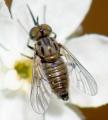
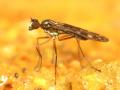
Photograph taken in July 2011, South East England, in-land rural/horticultural/agricultural environment. I would appreciate an ID as far as possible (Family would be a great start!) and any advice as to what would have been needed to make a better id (wings, mesonotum, fly-in-hand etc) djo attached the following image: 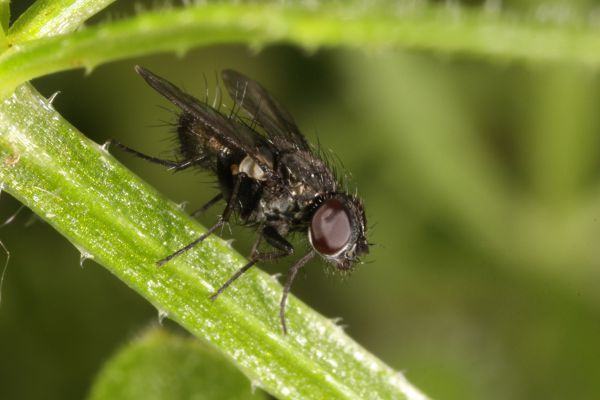 [43.12Kb] Edited by djo on 13-07-2011 10:31 |
 |
|
| Sara21392 |
Posted on 12-07-2011 22:49
|
 Member Location: Posts: 1445 Joined: 07.11.10 |
Maybe Tachinidae??
Sincerely yours Sara |
|
|
|
| ChrisR |
Posted on 13-07-2011 00:37
|
 Super Administrator Location: Reading, England Posts: 7706 Joined: 12.07.04 |
Strange little fly - do you have more angles? Would be nice to see a better dorsal - wing venation etc.
Manager of the UK Species Inventory in the Angela Marmont Centre for UK Biodiversity at the Natural History Museum, London. |
|
|
|
| djo |
Posted on 13-07-2011 07:52
|
|
Member Location: Edinburgh, UK Posts: 192 Joined: 16.05.11 |
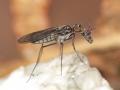
I happen to have a couple more shots of this one:
djo attached the following image: 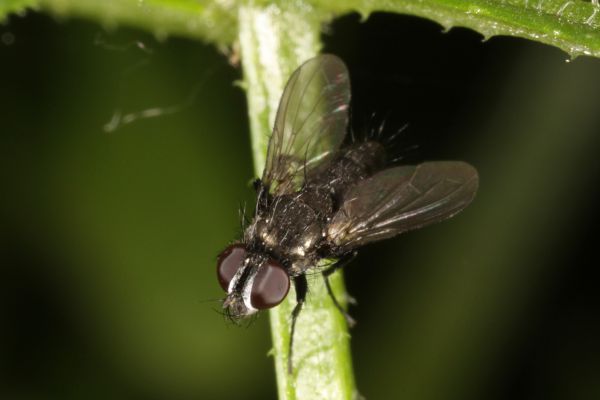 [32.99Kb] |
|
|
|
| djo |
Posted on 13-07-2011 07:56
|
|
Member Location: Edinburgh, UK Posts: 192 Joined: 16.05.11 |
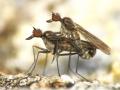
And again, almost identical to shot 1. To get some scale, it's sitting on ~ Galium aparine. I should perhap have mentioned it was taken right next to a compost heap / pile of Drosophila bait. djo attached the following image: 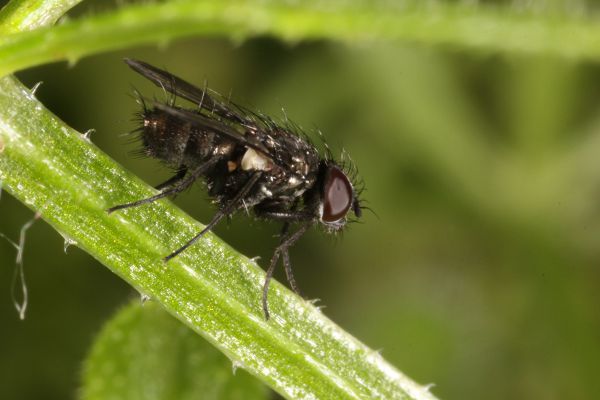 [44.06Kb] Edited by djo on 13-07-2011 07:56 |
|
|
|
| ChrisR |
Posted on 13-07-2011 09:10
|
|
Super Administrator Location: Reading, England Posts: 7706 Joined: 12.07.04 |
It would have to be Rhinophoridae or Tachinidae but I'm a bit confused as to exactly which it is  A good example of why some things just need to be collected to be certain A good example of why some things just need to be collected to be certain 
Manager of the UK Species Inventory in the Angela Marmont Centre for UK Biodiversity at the Natural History Museum, London. |
|
|
|
| Liekele Sijstermans |
Posted on 13-07-2011 09:21
|
|
Member Location: Geldermalsen Netherlands Posts: 305 Joined: 16.04.05 |
This is Rhinophora lepida (Rhinophoridae) Liekele |
|
|
|
| djo |
Posted on 13-07-2011 09:27
|
|
Member Location: Edinburgh, UK Posts: 192 Joined: 16.05.11 |
Great! Thanks - can I ask what the biggest clue is? i.e. what is it about the fly that you see first and recognise? |
|
|
|
| ChrisR |
Posted on 13-07-2011 09:47
|
|
Super Administrator Location: Reading, England Posts: 7706 Joined: 12.07.04 |
Argh ... I really should have known that ... but the head just didn't look right to me. Probably because I stopped collecting them and haven't looked at a specimen in ages!  Rhinophorids usually have small callyptrae that diverge from the scutellum and they often have a long petiole on the median vein. R.lepida has yellow halteres and is a small, very common rhinophorid - often seen in gardens
Edited by ChrisR on 13-07-2011 09:49 Manager of the UK Species Inventory in the Angela Marmont Centre for UK Biodiversity at the Natural History Museum, London. |
|
|
|
| djo |
Posted on 13-07-2011 10:30
|
|
Member Location: Edinburgh, UK Posts: 192 Joined: 16.05.11 |
Thanks! |
|
|
|
| Jump to Forum: |