


Diptera.info :: Identification queries :: Diptera (adults)
Who is here? 1 guest(s)
 Muscidae - Coenosia testacea
|
|
| Widus |
Posted on 09-05-2011 06:41
|
|
Member Location: Posts: 70 Joined: 12.06.10 |
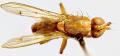
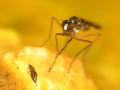
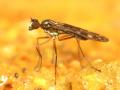
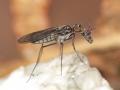
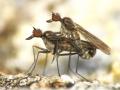
Hi, This fly was captured above Chambéry, Savoie, France (April 25, 2011). Length from antennae to tip of wings: 5.5 mm. Using The Muscidae (Diptera) of Central Europe from Gregor et al, I ended on Macrorchis meditata. Would this be correct? Widus Widus attached the following image: 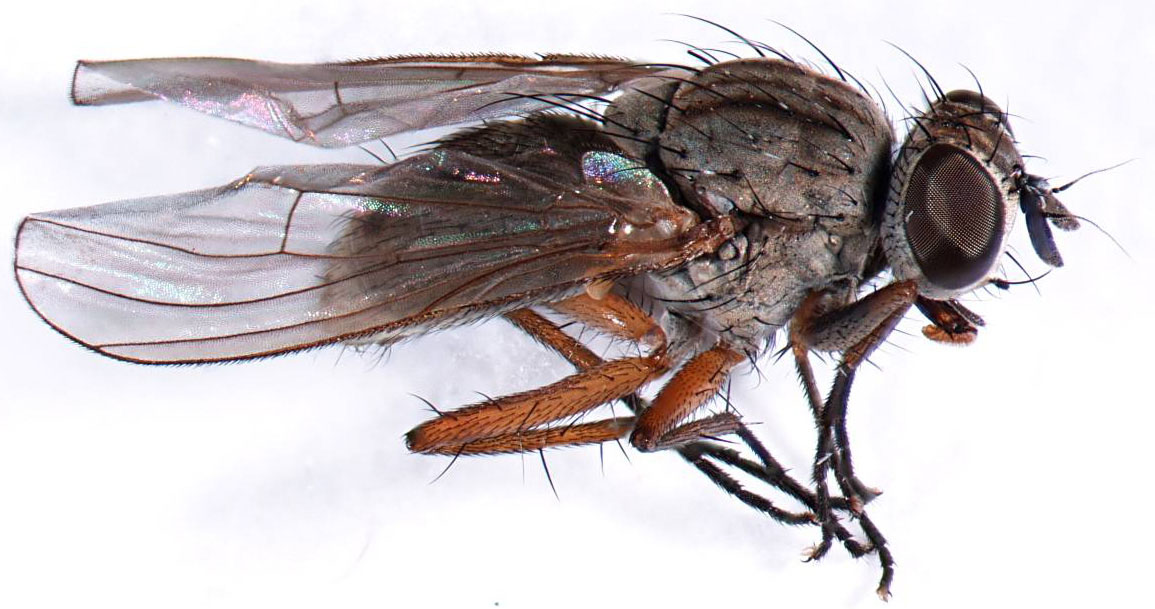 [154.27Kb] Edited by Widus on 13-05-2011 20:08 |
|
|
|
| Stephane Lebrun |
Posted on 09-05-2011 17:45
|
 Member Location: Le Havre, France Posts: 8248 Joined: 03.03.07 |
Coenosia sp.
Stephane. |
|
|
|
| Widus |
Posted on 09-05-2011 21:48
|
|
Member Location: Posts: 70 Joined: 12.06.10 |
Thank you Stéphane, I was not very far from Coenosia. In fact, just above in the identification key that said: 53. Postocellar setae nearly as long as outer vertical setae; tegula, basicosta and trochanters yellow; mid tibia with a single posterior seta; hind tibia with one anterodorsal seta ->Macrorchis - With a different combination of characters ->54 (leading to Coenosia). However, the characters described for Macrorchis in 53 seem to fit with the individual on the picture. I provide the details below where I tried to place the different elements. Which mistake do I make here? Widus attached the following image: 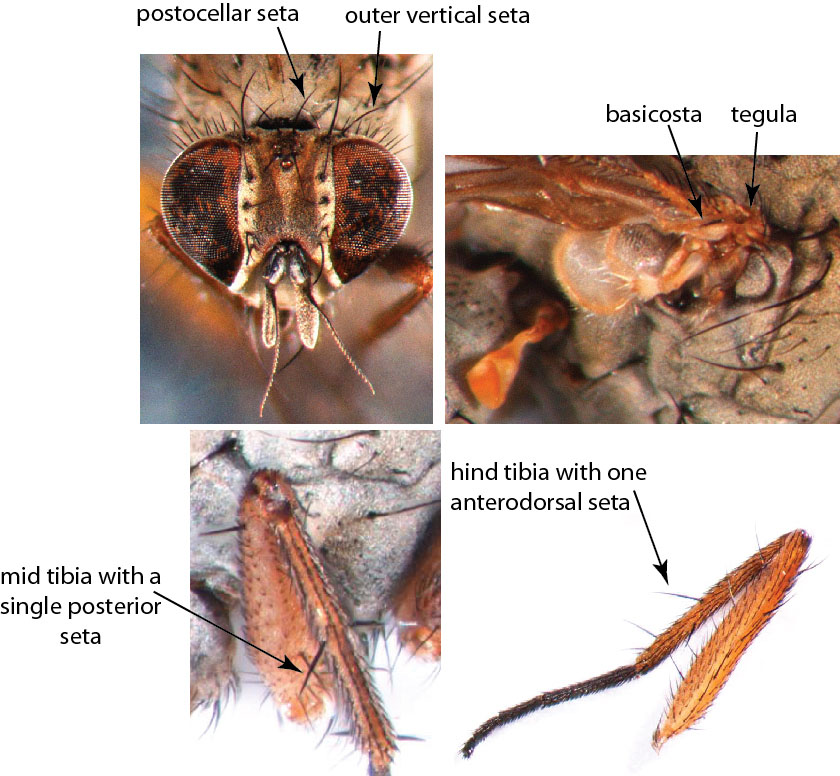 [171.34Kb] |
|
|
|
| Stephane Lebrun |
Posted on 09-05-2011 22:19
|
|
Member Location: Le Havre, France Posts: 8248 Joined: 03.03.07 |
Well, if you read the genus definition p. 181, you will see : genus characterized by 2 strong presutural dc ; there is only one strong prst dc on your fly (+ a very smaller one dc in front). That makes it a Coenosia. Macrorchis have also all femora black, except at tip. But I agree this part of the key is very misleading.
Stephane. |
|
|
|
| Widus |
Posted on 11-05-2011 18:31
|
|
Member Location: Posts: 70 Joined: 12.06.10 |
I am trying to go on with the identification but I stumble on a term at point 17 in the Coenosia identification key: what are squamas? OK I got it Widus attached the following image: 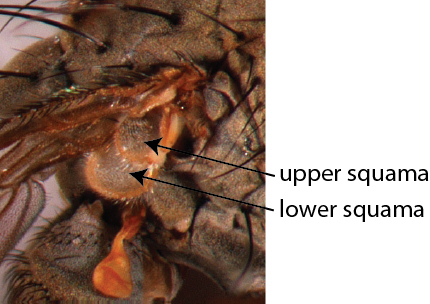 [133.85Kb] Edited by Widus on 11-05-2011 21:49 |
|
|
|
| Widus |
Posted on 11-05-2011 21:51
|
|
Member Location: Posts: 70 Joined: 12.06.10 |
Now what about the sex of the fly: how can we tell? |
|
|
|
| Stephane Lebrun |
Posted on 11-05-2011 21:53
|
|
Member Location: Le Havre, France Posts: 8248 Joined: 03.03.07 |
Without looking at my book, you can start at 67 ! 
Stephane. |
|
|
|
| Widus |
Posted on 11-05-2011 22:25
|
|
Member Location: Posts: 70 Joined: 12.06.10 |
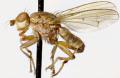
Thanks. On I go to 67 but  already stuck at 71 because I do not see any seta on the proepisternum (I just see one seta on the proepimeron). HELP already stuck at 71 because I do not see any seta on the proepisternum (I just see one seta on the proepimeron). HELP
Widus attached the following image: 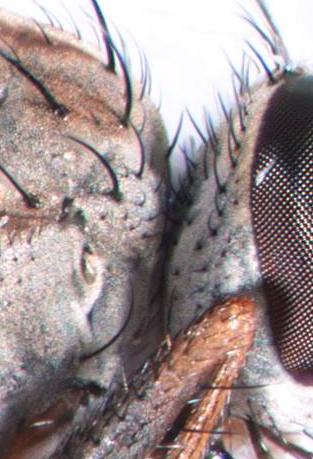 [148.78Kb] |
|
|
|
| Widus |
Posted on 12-05-2011 23:22
|
|
Member Location: Posts: 70 Joined: 12.06.10 |
OK another view and I am back on track: 1 seta on the proepisternum
Widus attached the following image: 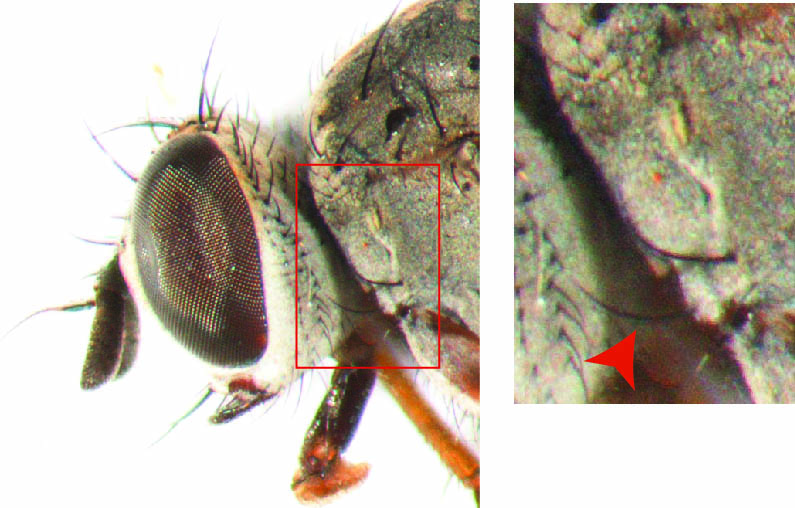 [131.93Kb] Edited by Widus on 12-05-2011 23:24 |
|
|
|
| Widus |
Posted on 13-05-2011 06:39
|
|
Member Location: Posts: 70 Joined: 12.06.10 |
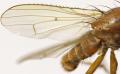
Well I end up on Coenosia testacea. I do not think it is C. infantula because of the wing nervation (C. infantula has the section of M1 vein between both crossveins on wing shorter than the apical section of CuA1).
Widus attached the following image: 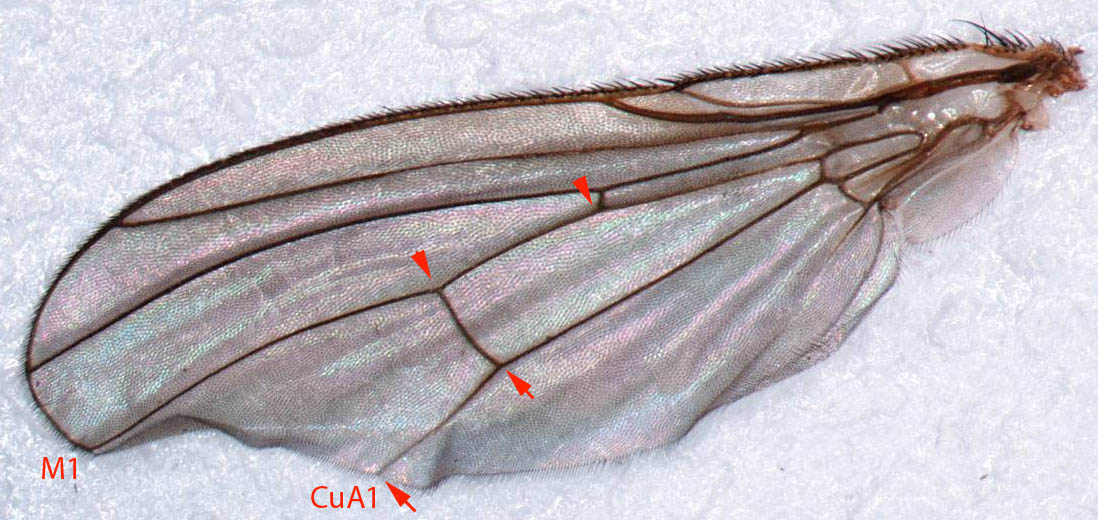 [139.03Kb] Edited by Widus on 13-05-2011 20:17 |
|
|
|
| Stephane Lebrun |
Posted on 13-05-2011 06:43
|
|
Member Location: Le Havre, France Posts: 8248 Joined: 03.03.07 |
Nice demonstration ! 
Stephane. |
|
|
|
| Jump to Forum: |