


Diptera.info :: Identification queries :: Diptera (adults)
Who is here? 1 guest(s)
 Tachinidae hairy eyes
|
|
| blowave |
Posted on 04-04-2011 22:12
|
 Member Location: LINCOLN, UK Posts: 3151 Joined: 27.06.07 |
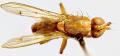
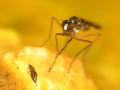
Hello, Taken on 3rd April 2011, my garden near Lincoln UK. Size ~5mm. It doesn't look to match any I have had before with hairy eyes. I have 4 pics which are not the best, it was running around the leaf licking something up. You can see the subscuttelum!  Janet 
blowave attached the following image: 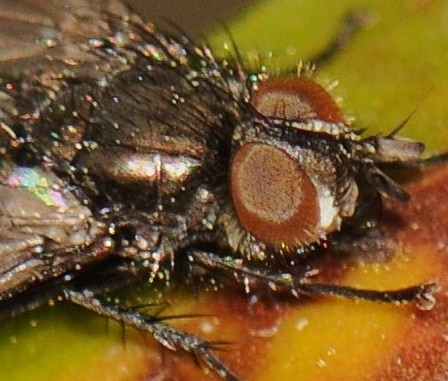 [74.32Kb] http://cubits.org... |
 |
|
| blowave |
Posted on 04-04-2011 22:12
|
|
Member Location: LINCOLN, UK Posts: 3151 Joined: 27.06.07 |
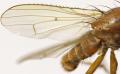
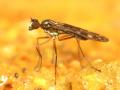
pic 2
blowave attached the following image: 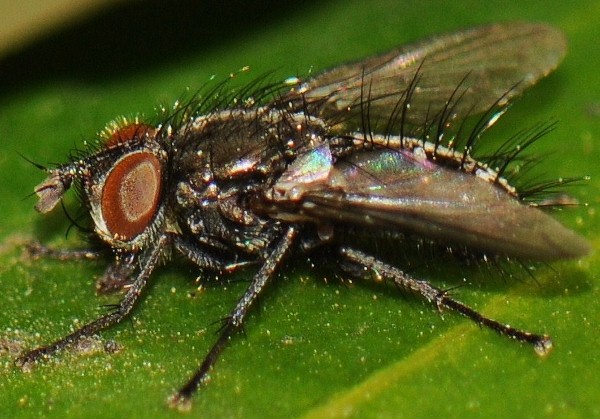 [103.66Kb] http://cubits.org... |
|
|
|
| blowave |
Posted on 04-04-2011 22:13
|
|
Member Location: LINCOLN, UK Posts: 3151 Joined: 27.06.07 |
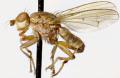
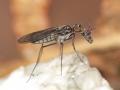
pic 3
blowave attached the following image: 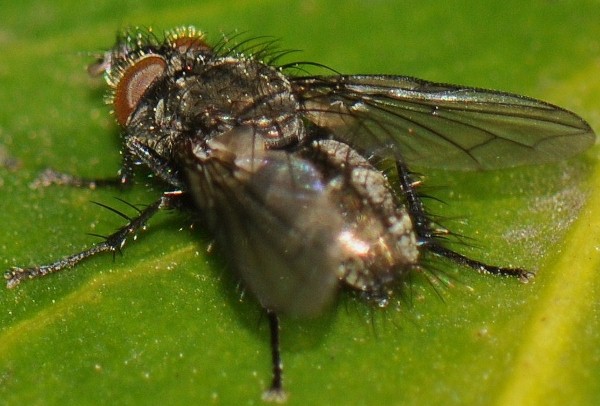 [90.19Kb] http://cubits.org... |
|
|
|
| blowave |
Posted on 04-04-2011 22:13
|
|
Member Location: LINCOLN, UK Posts: 3151 Joined: 27.06.07 |
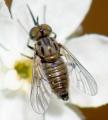
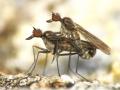
pic 4
blowave attached the following image: 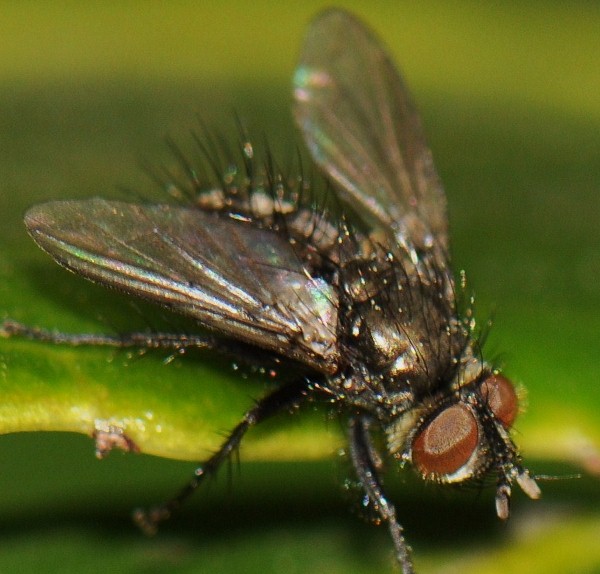 [98.94Kb] http://cubits.org... |
|
|
|
| neprisikiski |
Posted on 04-04-2011 22:42
|
|
Member Location: Lithuania Posts: 876 Joined: 23.02.09 |
Looks like Lypha dubia.
Erikas |
|
|
|
| blowave |
Posted on 05-04-2011 00:03
|
|
Member Location: LINCOLN, UK Posts: 3151 Joined: 27.06.07 |
Thank you Erikas! It does look like Lypha dubia, and I have the hosts. I haven't seen it before.
http://cubits.org... |
|
|
|
| ChrisR |
Posted on 05-04-2011 00:58
|
 Super Administrator Location: Reading, England Posts: 7706 Joined: 12.07.04 |
Yeah, I was going to suggest Lypha dubia too ... common and early but annoyingly difficult to key-out in most keys 
Manager of the UK Species Inventory in the Angela Marmont Centre for UK Biodiversity at the Natural History Museum, London. |
|
|
|
| oxycera |
Posted on 06-04-2011 08:26
|
|
Member Location: Barnsley, South Yorkshire Posts: 251 Joined: 31.12.09 |
ChrisR wrote: Yeah, I was going to suggest Lypha dubia too ... common and early but annoyingly difficult to key-out in most keys It certainly is, its just taken me 12 months, but I'm pleased I've finally cracked it. |
|
|
|
| Zeegers |
Posted on 06-04-2011 14:43
|
|
Member Location: Soest, NL Posts: 19308 Joined: 21.07.04 |
The bronze colouration (in males), shown in the thrid pic, is hardly ever seen in other Tachinidae. It may be subtle, but it is very distinctive ! Theo |
|
|
|
| oxycera |
Posted on 06-04-2011 16:54
|
|
Member Location: Barnsley, South Yorkshire Posts: 251 Joined: 31.12.09 |
Useful note, thanks |
|
|
|
| conopid |
Posted on 06-04-2011 17:54
|
 Member Location: United Kingdom Posts: 1039 Joined: 02.07.04 |
I noticed that bronze effect on a couple I caught today. So now I know what they will probably be
Nigel Jones, Shrewsbury, United Kingdom |
|
|
|
| ChrisR |
Posted on 06-04-2011 18:02
|
|
Super Administrator Location: Reading, England Posts: 7706 Joined: 12.07.04 |
It's more than likely - Lypha dubia are fairly common - but they can be tricky to key-out in Belshaw, which is something I have been trying to improve upon. For a quick check have a look at the hind spiracle and see whether it has equal-sized (often open) flaps and then check to see if the pteropleural bristle is long (reaching about as far back as the posterior margin of the lower calypter). I think the bronzy/browny tint is found in a few - species at this time of year ... or rather it often isn't as clear as it might appear to be if you see one in isolation
Manager of the UK Species Inventory in the Angela Marmont Centre for UK Biodiversity at the Natural History Museum, London. |
|
|
|
| Zeegers |
Posted on 07-04-2011 08:19
|
|
Member Location: Soest, NL Posts: 19308 Joined: 21.07.04 |
Maybe 'bronze' is not the right word, but the colouration of male Lypha dubia is not met by any other common spring species: Phorocera, Campylochaeta and Cyzenis are pretty different. Beware, however, that Lypha is pretty strongly sexual dimorph, which is confusing at first. The abdomen of the female is more checkered (halfway a Sarcophagini, but than 'bronze' and not greý). If this still is understandable, I would say: have a look at the pictures ! Theo |
|
|
|
| Jump to Forum: |