


Diptera.info :: Family forums :: Syrphidae
Who is here? 1 guest(s)
 Melangyna barbifrons? (Melangyna lucifera)
|
|
| Mucha Fero |
Posted on 30-03-2011 18:46
|
 Member Location: Posts: 8424 Joined: 27.09.10 |
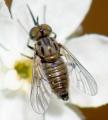
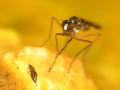
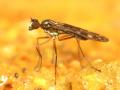
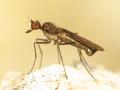
Melangyna barbifrons is the correct name? Thank you very much. Slovak Republik, Terchová region on the Malá Fatra 29.03.2011. 
Edited by Mucha Fero on 31-03-2011 02:28 |
|
|
|
| Menno Reemer |
Posted on 30-03-2011 19:33
|
|
Member Location: Posts: 344 Joined: 10.06.04 |
In males M. barbifrons the eyes are bare: in this specimen they are distinctly hairy. This is M. lucifera: small yellow spots on tergite 2. |
|
|
|
| Lukasz Mielczarek |
Posted on 30-03-2011 21:27
|
 Member Location: Poland, Krakow Posts: 498 Joined: 27.09.06 |
This is not M. lucifera! |
|
|
|
| Mucha Fero |
Posted on 31-03-2011 02:29
|
|
Member Location: Posts: 8424 Joined: 27.09.10 |
Menno Reemer wrote: In males M. barbifrons the eyes are bare: in this specimen they are distinctly hairy. This is M. lucifera: small yellow spots on tergite 2. Thank you very much. |
|
|
|
| Menno Reemer |
Posted on 31-03-2011 07:52
|
|
Member Location: Posts: 344 Joined: 10.06.04 |
I'm starting to have doubts now. There seem to be small yellow spots on tergite 2, which would indicate M. lucifera. The spots, however, are very small. Compare, for instance, the picture of this species in this thread: http://www.diptera.info/forum/viewthread.php?thread_id=37003 The pterostigma seems to be too dark for M. lucifera and the markings on tergites 3 and 4 are not of the right shape. So, M. quadrimaculata seems more likely. Perhaps this is what Mr. Mielczarek was (unsuccessfully) trying to make clear by shouting "This is not M. lucifera!"? Edited by Menno Reemer on 31-03-2011 07:54 |
|
|
|
| Lukasz Mielczarek |
Posted on 31-03-2011 08:45
|
|
Member Location: Poland, Krakow Posts: 498 Joined: 27.09.06 |
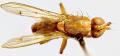
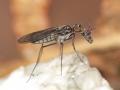
The situation of the early spring Melangyna is more complicated! It is certainly not M. quadrimaculata, but it strongly resemble males of this species. The spots on the second tergit in parts of specimens are clearly visible, in some disappear completely. Females have clear spots on the abdomen. Species closely resembles me M. pavlovskyi in this gallery: http://homepage2....rphin3.htm http://homepage2....v_F600.jpg http://homepage2....v_M600.jpg and an example of my specimens of this Melangyna sp. in the attachments. Lukasz Lukasz Mielczarek attached the following image: 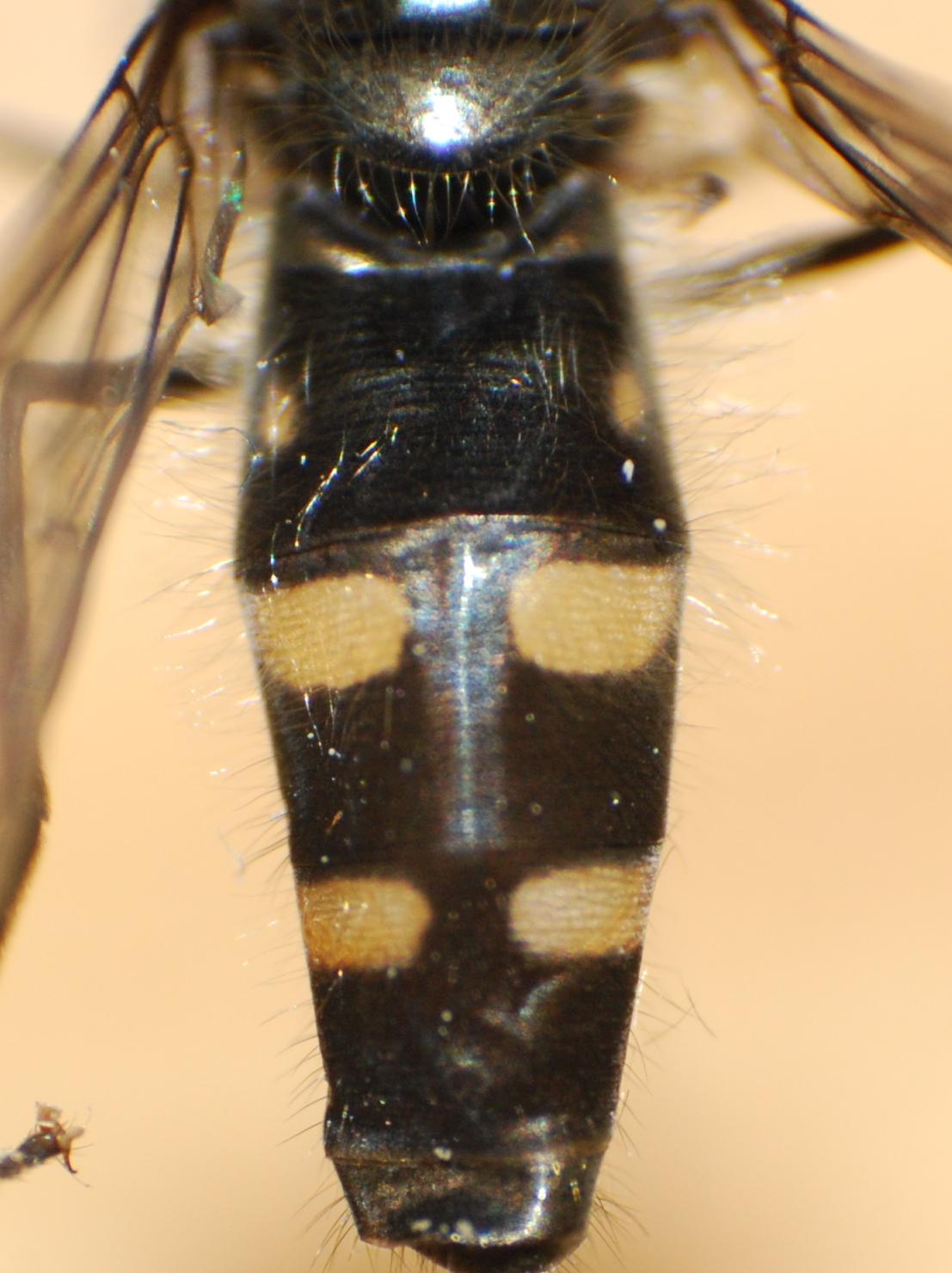 [126.63Kb] |
|
|
|
| Lukasz Mielczarek |
Posted on 31-03-2011 08:46
|
|
Member Location: Poland, Krakow Posts: 498 Joined: 27.09.06 |
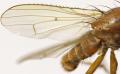
...head
Lukasz Mielczarek attached the following image: 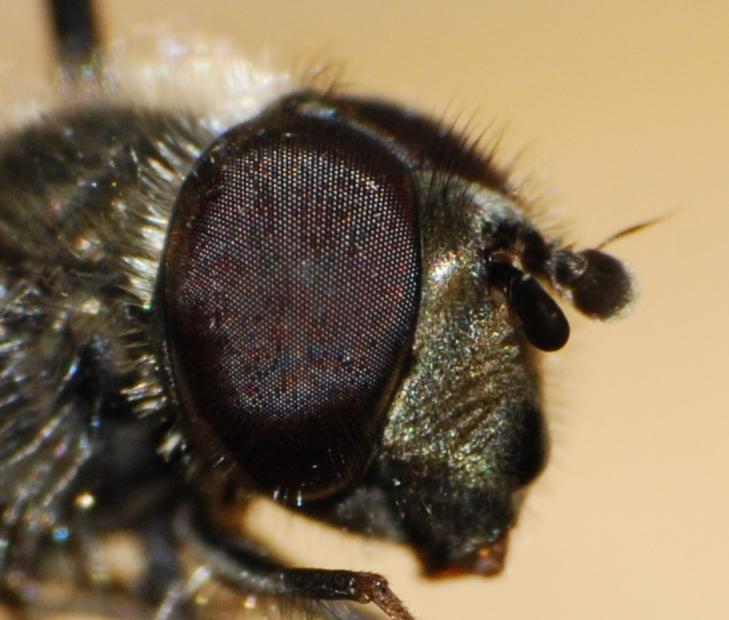 [50.76Kb] |
|
|
|
| Lukasz Mielczarek |
Posted on 31-03-2011 08:47
|
|
Member Location: Poland, Krakow Posts: 498 Joined: 27.09.06 |
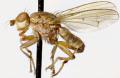
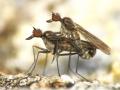
..female
Lukasz Mielczarek attached the following image: 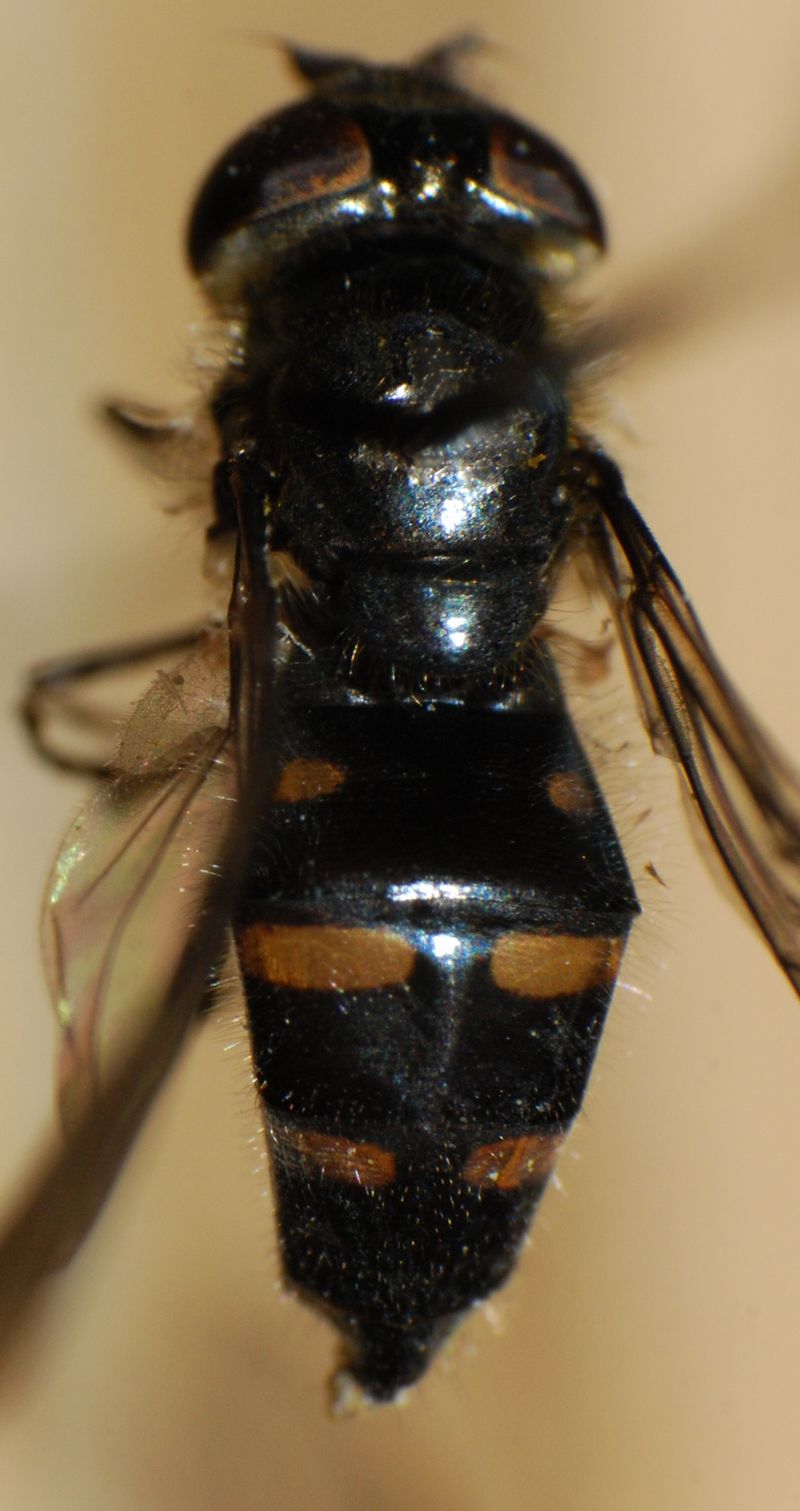 [108.11Kb] |
|
|
|
| Menno Reemer |
Posted on 31-03-2011 09:39
|
|
Member Location: Posts: 344 Joined: 10.06.04 |
Interesting! I had not taken into account the possible occurrence of this Eastern Palaearctic species in Slovakia! Are your pictures of Polish specimens? Apparently you are right about the situation in Europe being more complicated. I was not aware of that. Is someone working on the taxonomy of this group? |
|
|
|
| Mucha Fero |
Posted on 31-03-2011 17:48
|
|
Member Location: Posts: 8424 Joined: 27.09.10 |
Menno Reemer wrote: Interesting! I had not taken into account the possible occurrence of this Eastern Palaearctic species in Slovakia! Are your pictures of Polish specimens? Apparently you are right about the situation in Europe being more complicated. I was not aware of that. Is someone working on the taxonomy of this group? Photos I made ​​in the Malá Fatra region-Terchová. Photos of the Slovak specimen. Thank you very much. |
|
|
|
| Zeegers |
Posted on 04-04-2011 13:42
|
|
Member Location: Soest, NL Posts: 19308 Joined: 21.07.04 |
Another question on Melangyna. I have caught a female M. quadrimaculata with a very yellow scutellum. That is not normal, is it now ? Any suggestions ? (Intersex is so far the best I've got, unless this is a species complex too !) Thanks Theo |
|
|
|
| Andre |
Posted on 05-04-2011 11:29
|
 Member Location: Tilburg, the Netherlands Posts: 2111 Joined: 18.07.04 |
Maybe you found a Parasyrphus punctulatus? There are keys to separate these cases of melanism, as you know  |
 |
|
| Zeegers |
Posted on 05-04-2011 13:15
|
|
Member Location: Soest, NL Posts: 19308 Joined: 21.07.04 |
Hi Andre Don't worry, I'm not that 'bleu'. As it turns out, most M. quadrimaculata have at least partly yellowish scutellum (W. van Steenis). So, the books are wrong on this. Theo |
|
|
|
| Lukasz Mielczarek |
Posted on 08-04-2011 19:03
|
|
Member Location: Poland, Krakow Posts: 498 Joined: 27.09.06 |
Menno Reemer wrote: Are your pictures of Polish specimens? Apparently you are right about the situation in Europe being more complicated. I was not aware of that. Is someone working on the taxonomy of this group? In the pictures are the Polish specimens. I'll try to write some review of Melangyna in Poland in the near future. Zeegers wrote: Another question on Melangyna. I have caught a female M. quadrimaculata with a very yellow scutellum. That is not normal, is it now ? Any suggestions ? (Intersex is so far the best I've got, unless this is a species complex too !) Thanks Theo Can you post image of the specimen? Lukasz |
|
|
|
| Jump to Forum: |