


Diptera.info :: Identification queries :: Diptera (adults)
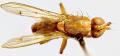
 Pollenia id ?
|
|
| BubikolRamios |
Posted on 20-03-2011 20:26
|
|
Member Location: Slovenia Posts: 1729 Joined: 14.06.09 |
body ~7 mm
BubikolRamios attached the following image: 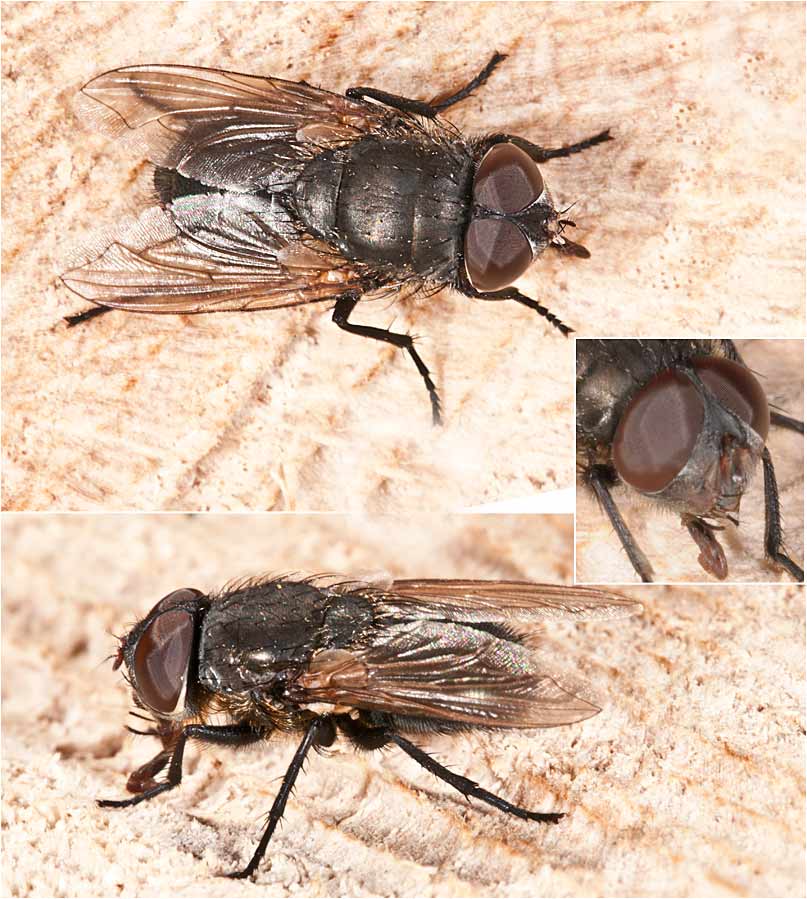 [99.85Kb] Edited by BubikolRamios on 21-03-2011 00:39 highly searchable nature photo galery --> http://agrozoo.ne....jsp?l2=en |
 |
|
| ChrisR |
Posted on 20-03-2011 20:36
|
 Super Administrator Location: Reading, England Posts: 7706 Joined: 12.07.04 |
Pollenia again - you can just see the golden hairs remaining near the scutellum and around the side of the thorax 
Manager of the UK Species Inventory in the Angela Marmont Centre for UK Biodiversity at the Natural History Museum, London. |
|
|
|
| Juergen Peters |
Posted on 20-03-2011 21:40
|
 Member Location: northwest Germany Posts: 14425 Joined: 11.09.04 |
Hello, Chris! ChrisR wrote: Pollenia again - you can just see the golden hairs remaining near the scutellum and around the side of the thorax I wonder, why I always find Pollenia rather easy to recognize (numerous here at the moment), even if it has lost nearly all of its characteristic golden hairs. Seems to have a very special "general jizz" for me (I wish, this would be the case for many other flies, too...). Edited by Juergen Peters on 20-03-2011 21:44 Best regards, Jürgen -=-=-=-=-=-=-=-=-=-=-=-=-=-=-=-= Juergen Peters Borgholzhausen, Germany WWW: http://insektenfo... -=-=-=-=-=-=-=-=-=-=-=-=-=-=-=-= |
|
|
|
| John Carr |
Posted on 20-03-2011 21:47
|
 Super Administrator Location: Colorado, USA Posts: 10650 Joined: 22.10.10 |
In North America "cluster flies" (Pollenia) overwinter as adults and are one of the most common kinds of fly this time of year.
Edited by John Carr on 20-03-2011 21:47 |
|
|
|
| ChrisR |
Posted on 20-03-2011 21:56
|
|
Super Administrator Location: Reading, England Posts: 7706 Joined: 12.07.04 |
Yes, I was going to say ... Pollenia overwinter in out-buildings and are some of the first flies to emerge from hibernation on warm Spring days. This might also explain why most of them are missing the majority of their golden hairs - they are old flies that emerged last autumn, then they have been sitting in cold, dry places all winter, before being seen in the March sunshine
Manager of the UK Species Inventory in the Angela Marmont Centre for UK Biodiversity at the Natural History Museum, London. |
|
|
|
| Jump to Forum: |