


Diptera.info :: Identification queries :: Diptera (adults)
Who is here? 1 guest(s)
 Oxysarcodexia sp.? (Peru)
|
|
| Jiri Hodecek |
Posted on 20-03-2011 17:21
|
 Member Location: Switzerland Posts: 279 Joined: 18.03.11 |
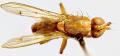
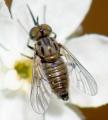
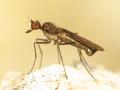
I am not sure if this is genus Sarcophaga, please help me to be closer to identify this big fly.  Photo taken in Peru - Lima 2009. Edited by Jiri Hodecek on 26-03-2011 12:44 |
|
|
|
| ChrisR |
Posted on 20-03-2011 19:01
|
 Super Administrator Location: Reading, England Posts: 7706 Joined: 12.07.04 |
Very hard to say - it is certainly Sarcophagidae but there are many genera in the neotropics. Perhaps Thomas can help us? 
Manager of the UK Species Inventory in the Angela Marmont Centre for UK Biodiversity at the Natural History Museum, London. |
 |
|
| Jiri Hodecek |
Posted on 25-03-2011 17:06
|
|
Member Location: Switzerland Posts: 279 Joined: 18.03.11 |
Thank you. I d ask Thomas, but I found more of them in the members list. Which Thomas do you mean? |
|
|
|
| Paul Beuk |
Posted on 25-03-2011 18:01
|
 Super Administrator Location: Netherlands Posts: 19403 Joined: 11.05.04 |
Mr Sarcophagidae: Thomas Pape.
Paul - - - - Paul Beuk on https://diptera.info |
|
|
|
| Jiri Hodecek |
Posted on 25-03-2011 18:52
|
|
Member Location: Switzerland Posts: 279 Joined: 18.03.11 |
Thanks! I ll try to contact him |
|
|
|
| Thomas Pape |
Posted on 25-03-2011 22:17
|
|
Member Location: Natural History Museum of Denmark Posts: 110 Joined: 29.08.05 |
As has already been mentioned, the Neotropics are extremely diverse with regard to the sarcophagine flesh flies, but perhaps surprisingly, there are very few species of the genus Sarcophaga (even in the wide sense that I prefer). In general, I would need to see the male terminalia to feel on safe ground, but if I have to give my most educated guess here I would say Oxysarcodexia sp. This is a very species-rich genus in the Neotropics, and I think I can just see the row of frontal bristles being rather straight, while most other genera have this row curving outwards at the level of the lunule. Ravinia would be another good candidate, but the golden colour of gena would then point to Oxysarcodexia again. Other genera with several and common species are Peckia (but almost always with much more hairy hind tibiae) and Helicobia (but generally smaller, more slender and never with golden gena). So, I feel reasonably comfortable with Oxysarcodexia sp.
Thomas Pape |
|
|
|
| Jiri Hodecek |
Posted on 25-03-2011 22:43
|
|
Member Location: Switzerland Posts: 279 Joined: 18.03.11 |
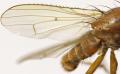
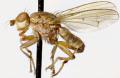
Thank you very much! Here I have another photo if it d help.. but thats all I have unfortunately. Anyway.. I appreciate your time, thank you a lot! 
Edited by Jiri Hodecek on 25-03-2011 22:43 |
|
|
|
| Jump to Forum: |