


Diptera.info :: Identification queries :: Diptera (adults)
Who is here? 1 guest(s)
 Tachinidae
|
|
| neprisikiski |
Posted on 16-03-2011 23:12
|
|
Member Location: Lithuania Posts: 876 Joined: 23.02.09 |
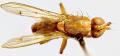
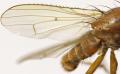
Hello, I have several specimens of Ceromya, that could be identified as flaviceps, but have abdominal pattern similar to dilecta, and with a single setula in distal part of R1. Thank you in advance for your help.
neprisikiski attached the following image: 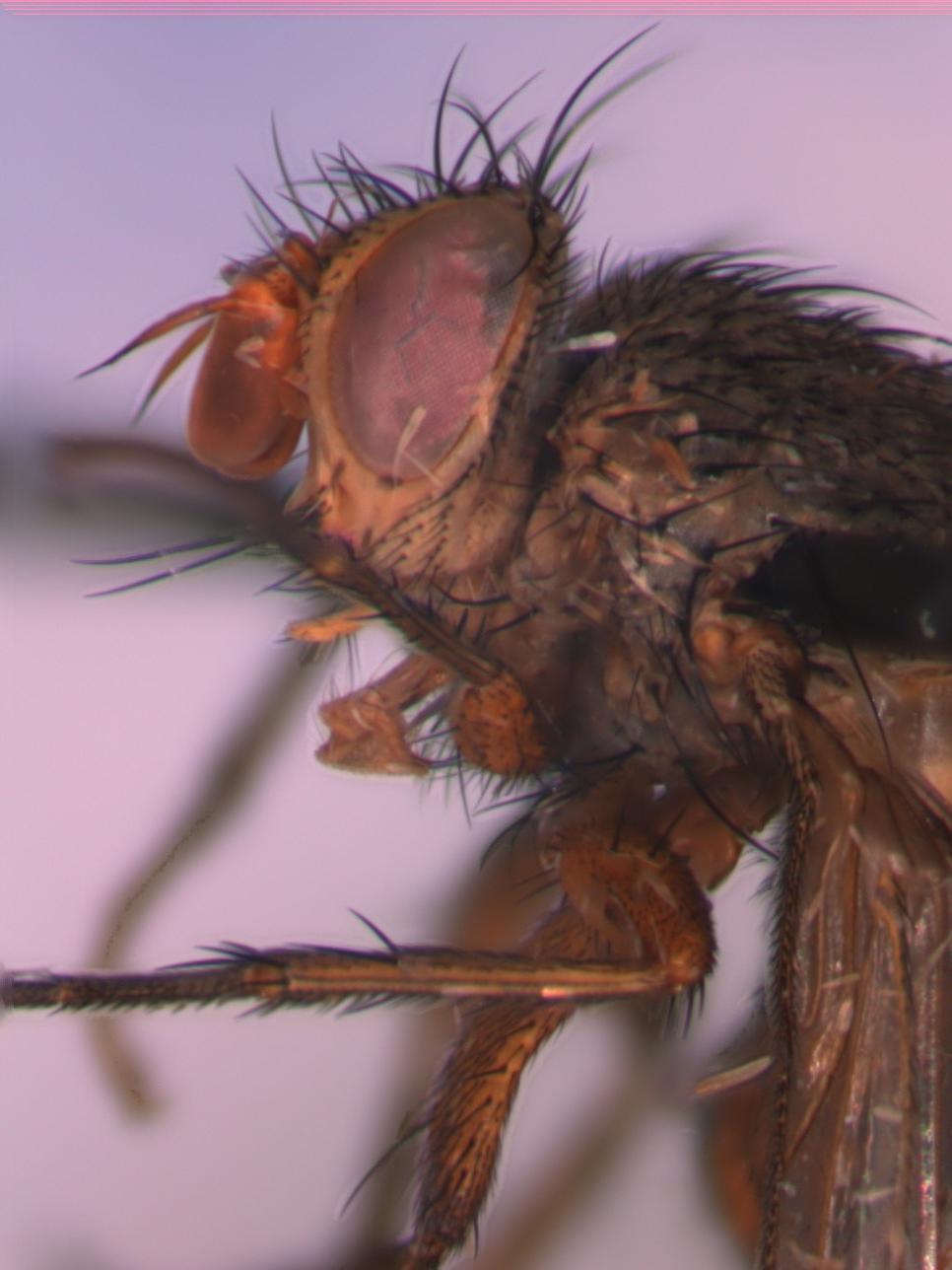 [85.69Kb] Edited by neprisikiski on 16-03-2011 23:13 Erikas |
|
|
|
| neprisikiski |
Posted on 16-03-2011 23:12
|
|
Member Location: Lithuania Posts: 876 Joined: 23.02.09 |
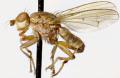
Abdomen.
neprisikiski attached the following image: 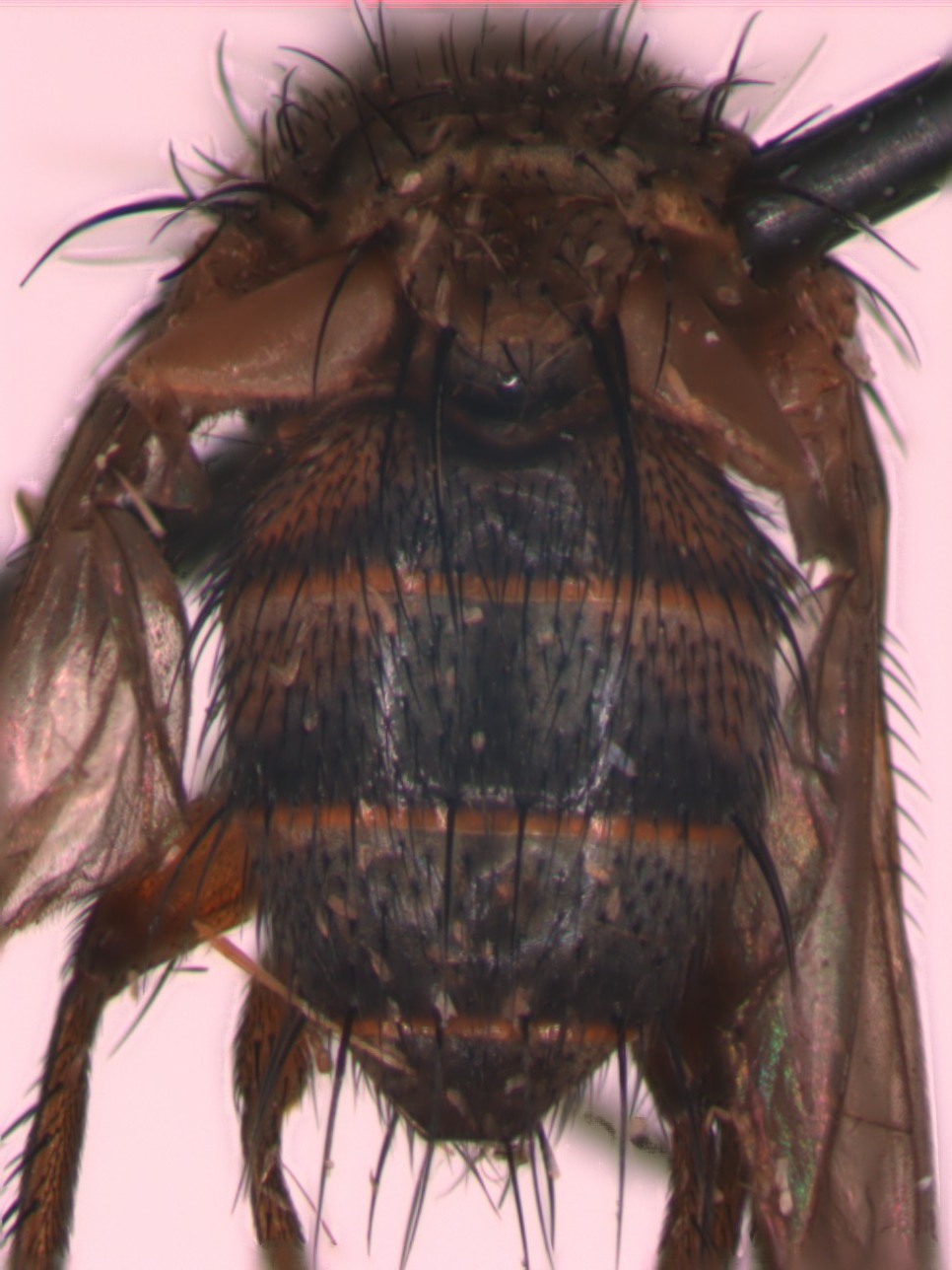 [191.04Kb] Erikas |
|
|
|
| Zeegers |
Posted on 18-03-2011 21:40
|
|
Member Location: Soest, NL Posts: 19310 Joined: 21.07.04 |
Hi Erikas So, I have 2 males of dilecta in my collection, approved by Peter Tschorsnig. They are different * distinct laterodiscals present * total lack of any reddish on tergites * vein R with extensive setulae, similar to say Actia nudibasis. So, your specimens can't be dilecta. I guess it is flaviceps, according to Andersen the genitalia should be very distinctive (never checked it myself, I have only 1 ) Theo |
|
|
|
| neprisikiski |
Posted on 18-04-2011 17:36
|
|
Member Location: Lithuania Posts: 876 Joined: 23.02.09 |
Marginal bristles too long for flaviceps. I want to ask about Ceromya pruinosa Shima, if somemebody knows distinguishing characters?
neprisikiski attached the following image: 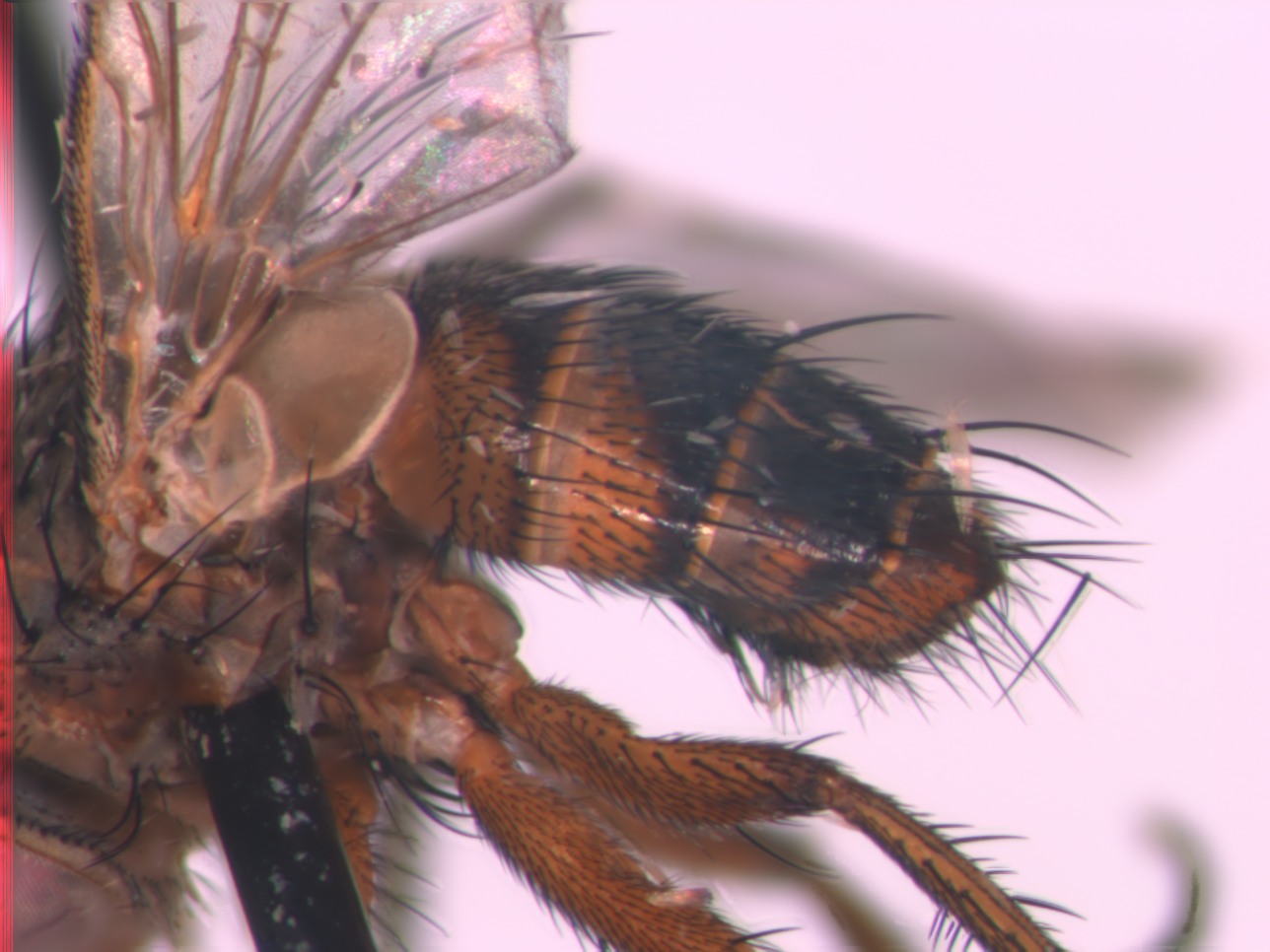 [170.34Kb] Erikas |
|
|
|
| Zeegers |
Posted on 19-04-2011 08:19
|
|
Member Location: Soest, NL Posts: 19310 Joined: 21.07.04 |
I might have this publication, need to check my library. But it is a long shot.... Pruinosa is from Japan and the tsunami was not that big... Theo |
|
|
|
| neprisikiski |
Posted on 19-04-2011 14:42
|
|
Member Location: Lithuania Posts: 876 Joined: 23.02.09 |
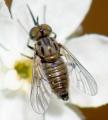
Tarsomere 5, female:
neprisikiski attached the following image: 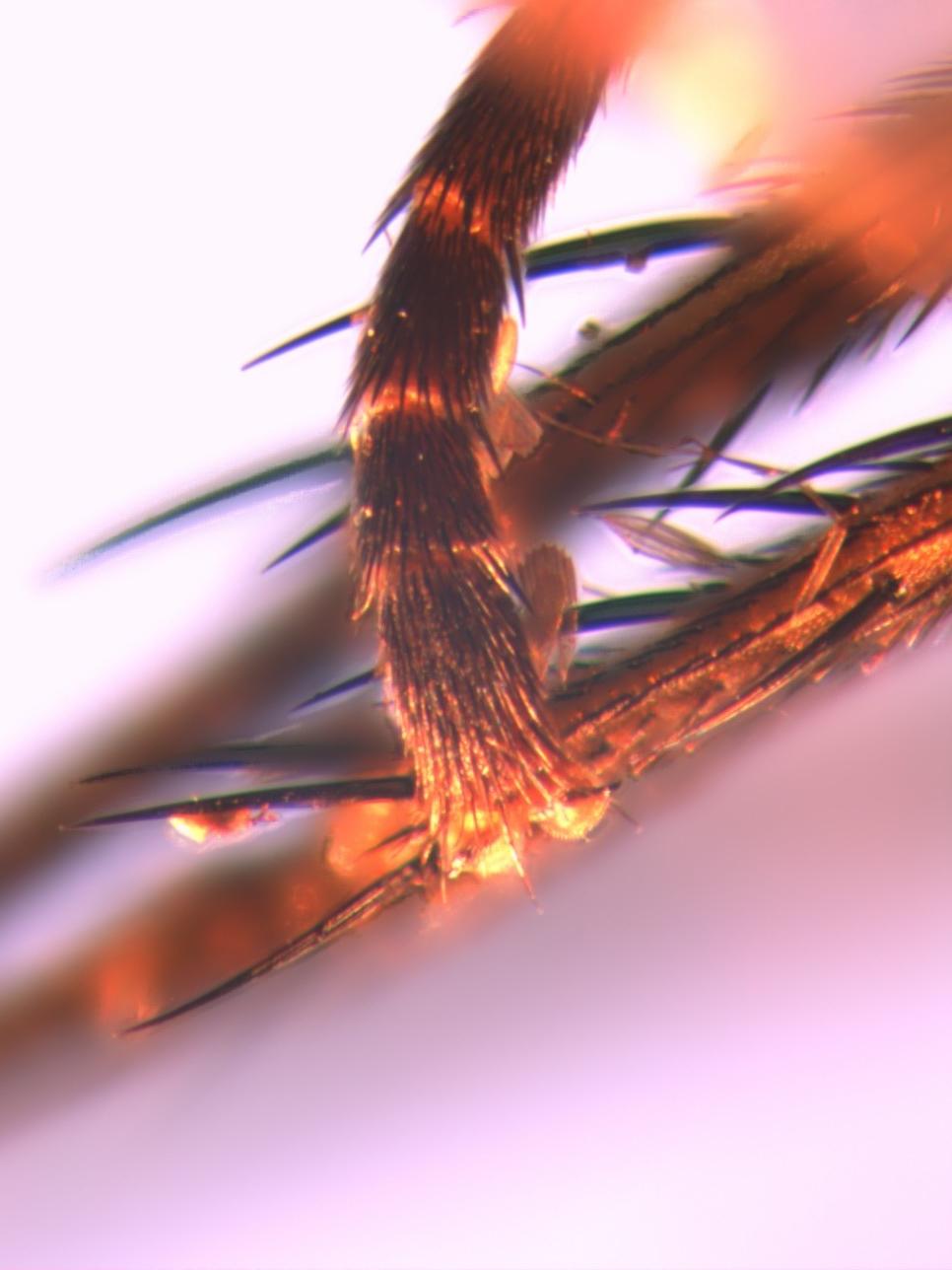 [76.47Kb] Erikas |
|
|
|
| Jaakko |
Posted on 19-04-2011 21:35
|
 Member Location: Joensuu, Finland Posts: 479 Joined: 04.08.08 |
I would check the genitalia... especially if you have many specimens. This tribus has potential for new species as being relatively difficult to collect.
Edited by Jaakko on 19-04-2011 21:35 |
|
|
|
| neprisikiski |
Posted on 20-04-2011 21:42
|
|
Member Location: Lithuania Posts: 876 Joined: 23.02.09 |
The male genitalia is very similar like in bicolor and pruinosa, that is why I am asking if somedy knows distinguishing characters? Please look to the tarsomere 5 of female, I would not say that it is as much enlarged as in bicolor?
Erikas |
|
|
|
| Zeegers |
Posted on 23-04-2011 10:06
|
|
Member Location: Soest, NL Posts: 19310 Joined: 21.07.04 |
As you probably are aware of, pruinosa is considered doubtful synonym of bicolor by Andersen. Interestingly, your specimens do fit fasciata Stein as described by Herting, 1977. Herting considers it to be a variety of bicolor. It might be a good species. The front tarsus looks pretty enlarged to me. I'd suggest consulting H.-P. Tschorsnig. Theo |
|
|
|
| Bergstrom |
Posted on 28-05-2011 18:26
|
|
Member Location: Posts: 3 Joined: 26.05.11 |
Hello Erikas, I feel that the specimen presented represent Ceromya flaviceps as already proposed by Zeegers. To be sure the genitalia will have to be examined. The dissection of the male genitalia is not a difficult task but the interpretation of the distiphallus surely demand some experience. I have never seen any specimens representing C. pruinosa Shima and neither seen a reprint. I have no background information for the proposed ? synonymy with C. bicolor but I will ask Stig Andersen if he still believe in it. I have also written a mail to Takuji Tachi and Hiroshi Shima today and asked for there opinion. |
|
|
|
| neprisikiski |
Posted on 28-05-2011 20:00
|
|
Member Location: Lithuania Posts: 876 Joined: 23.02.09 |
Hello Christer and welcome to the Diptera.info! I have asked the key from Takuji Tachi (but didn’t ask his opinion about my specimens) and had an opportunity to compare genitalia with Ceromya pruinosa Shima from the pictures. Surstyli of my specimens are widened in the middle part like in bicolor+pruinosa, different than in flaviceps. Distiphallus as well reminds me bicolor+pruinosa, it is clearly different than in flaviceps (for that reason several males of bicolor and flaviceps were dissected for a comparison). And finally, shape of gonites slightly resembles me that of pruinosa, rather than bicolor. This is why I think that it is not bicolor and not flaviceps (at least). Unfortunately, genitalia of “fasciata” are not figured (?), and if follow Andersen (1996), he have not seen “fasciata” himself (?). The opinion of the experts of the group would be very interesting indeed. Erikas |
|
|
|
| Jump to Forum: |