


Diptera.info :: Identification queries :: Diptera (adults)
Who is here? 1 guest(s)
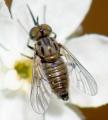
 Cylindromyia cf. interrupta
|
|
| Karol Ox |
Posted on 19-02-2011 10:46
|
 Member Location: Slovakia Posts: 1340 Joined: 25.01.11 |
Cylindromyia auriceps is the correct name? Thank you. Karol Ox. 31.7.2010, Slovak Republic. Karol Ox attached the following image: 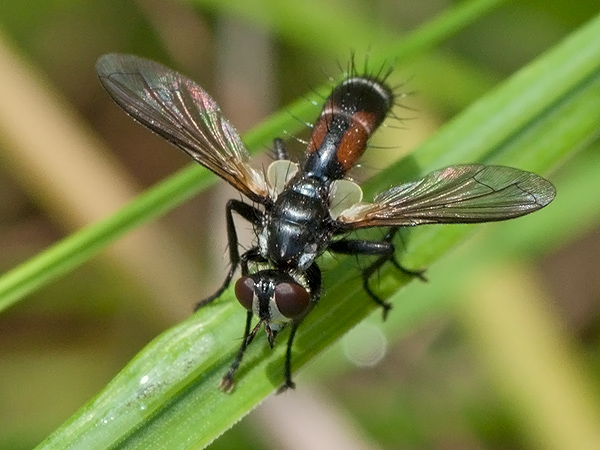 [136.94Kb] Edited by Karol Ox on 23-05-2014 11:46 |
 |
|
| ChrisR |
Posted on 19-02-2011 11:29
|
 Super Administrator Location: Reading, England Posts: 7706 Joined: 12.07.04 |
Cylindromyia yes ... but not enough visible to say auriceps  It is possible but other very similar species exist ... for instance, I cannot see crossed apical scutellars so that suggests either pusilla/interrupta. It is possible but other very similar species exist ... for instance, I cannot see crossed apical scutellars so that suggests either pusilla/interrupta.Start collecting specimens and I can give you correct names
Edited by ChrisR on 19-02-2011 11:30 Manager of the UK Species Inventory in the Angela Marmont Centre for UK Biodiversity at the Natural History Museum, London. |
|
|
|
| Karol Ox |
Posted on 19-02-2011 13:33
|
|
Member Location: Slovakia Posts: 1340 Joined: 25.01.11 |
ChrisR wrote: Cylindromyia yes ... but not enough visible to say auriceps It is possible but other very similar species exist ... for instance, I cannot see crossed apical scutellars so that suggests either pusilla/interrupta.Start collecting specimens and I can give you correct names ok, thank you very much |
|
|
|
| ChrisR |
Posted on 19-02-2011 13:54
|
|
Super Administrator Location: Reading, England Posts: 7706 Joined: 12.07.04 |
No problem. Also, just for the convenience of other readers, remember to change/update the titles on your posts so that they are correct 
Manager of the UK Species Inventory in the Angela Marmont Centre for UK Biodiversity at the Natural History Museum, London. |
|
|
|
| Zeegers |
Posted on 19-02-2011 17:54
|
|
Member Location: Soest, NL Posts: 19308 Joined: 21.07.04 |
The dusting on the thorax indicated interrupta Theo |
|
|
|
| Jump to Forum: |