


Diptera.info :: Identification queries :: Diptera (adults)
Who is here? 1 guest(s)
 Acalyptratae - Any Clues? = Odiniidae
|
|
| Mark-uk |
Posted on 15-01-2011 20:20
|
 Member Location: UK - Hampshire Posts: 792 Joined: 01.02.10 |
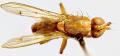
This distinctive Acalyptratae has been causing me headaches - Even trying to pin it to a family. I have found several of them in mid to late summer in the UK. Either swept in woodland, or found on bracket fungi. I am sure it will be stupidly obvious when pointed out. Mark-uk attached the following image: 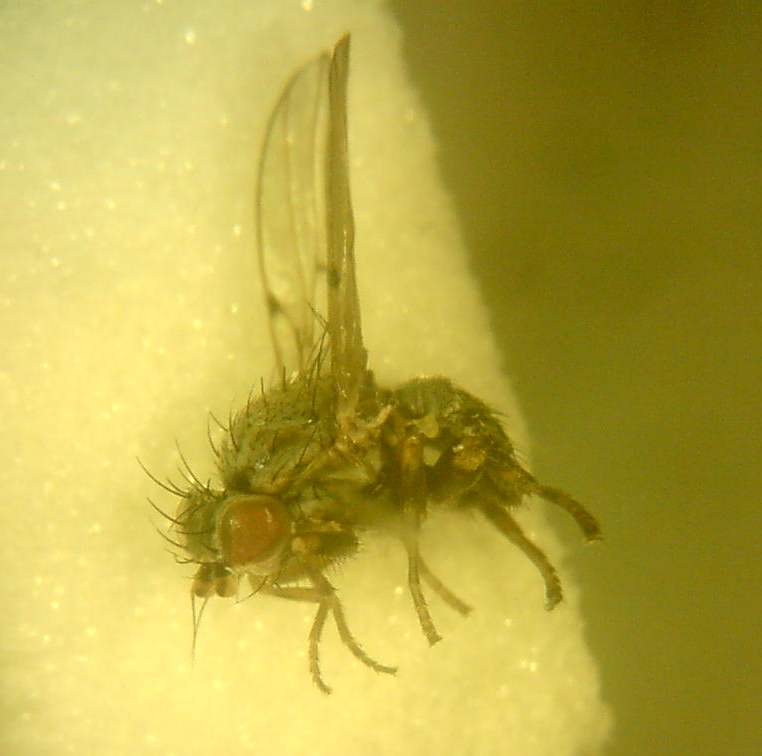 [30.64Kb] Edited by Mark-uk on 15-01-2011 22:22 |
|
|
|
| Andrzej |
Posted on 15-01-2011 20:25
|
|
Member Location: Poland Posts: 2433 Joined: 05.01.06 |
Odiniidae 
dr. A. J. Woznica, Institute of Environmental Biology, Wroclaw University of Environmental & Life Sciences |
|
|
|
| phil withers |
Posted on 15-01-2011 20:45
|
|
Member Location: Lyon, France Posts: 521 Joined: 04.03.08 |
Are they all identical ? I would like to see these (especially if any males represented) for my ongoing (possibly never to be completed) revision of Odinia. |
|
|
|
| Mark-uk |
Posted on 15-01-2011 21:06
|
|
Member Location: UK - Hampshire Posts: 792 Joined: 01.02.10 |
Many thanks Andrze I see where I went wrong on the on the Family key now. The incurved lower fronto-obitals are truly microscopic, I can see them now. 10 UK species, all in the genus Odinia. I will have to look out for the UK keys, (Collin 1952 looks a good staring point? - does anyone have a pdf?) From the gallery, Odinia ornata looks very close. is O. ornata very distinctive. or are many of the other Odinia similar? Phil: Both my New Forest specimens (the one in the photo is one) look to both be female. I have others, and will look when I uncover them again. Mark |
|
|
|
| phil withers |
Posted on 15-01-2011 23:54
|
|
Member Location: Lyon, France Posts: 521 Joined: 04.03.08 |
Collin is the only UK key: old and unreliable, as well as incomplete. This family is a pain and it looks like the only way in is the male genitalia, but I get frustrated every time I look. Sometimes they all look different and sometimes I think they are all the same ! Neverhteless, I'm plugging away - anything taken on bracket fungi has traditionally been called O. boletina (there's a misnomer for you) but this may not be the only species. There also seem to be at least 3 species with all yellow antennae (not one as Collin states). Now you begin to see the problem...which is compounded by there not being much material about as this is a family rarely encountered. |
|
|
|
| Mark-uk |
Posted on 16-01-2011 14:44
|
|
Member Location: UK - Hampshire Posts: 792 Joined: 01.02.10 |
Hi Phil I will send you a specimen if it helps at all? Just PM me your contact details. I agree with you about most of Collins Keys for these smaller groups. old and unreliable. Added to which he often refers to features as "larger" or "smaller" then species X. Which is fine if one has access to a large reference collection. but no use when you have just the specimen. But that said, for all their faults, I find them a good starting point. I paste them into new document, then add the stuff from latter works, my own notes, commented from this forums etc. These "note nooks" become invaluable. My Lauxaniindae notes is getting quite lengthy. Mark Edited by Mark-uk on 16-01-2011 14:50 |
|
|
|
| phil withers |
Posted on 16-01-2011 15:51
|
|
Member Location: Lyon, France Posts: 521 Joined: 04.03.08 |
Fine: see PM. I'll p/c Collin if you want (it's not very substantial) and send it on... |
|
|
|
| Jump to Forum: |