


Diptera.info :: Identification queries :: Diptera (adults)
 Tabanidae Hybomitra ciureai male
|
|
| sd |
Posted on 13-01-2011 18:49
|
|
Member Location: Suffolk, UK Posts: 893 Joined: 11.10.07 |
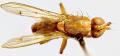
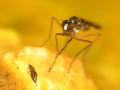
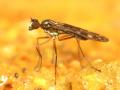
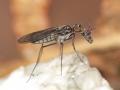
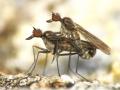
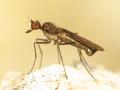
UK, Suffolk, 2km from sea, grazing marshes nearby. 21.vi.2010 in sunshine on brick wall. male, orange first antennal segment, abrupt enlarged eye facets --> Hybomitra ciureai Theo, on an earlier post you mention the dusting on the scutellum as helping with the id for ciureai, could you state what to look for - its not mentioned in publications I've seen. I see female H. ciureai and distinguenda in almost equal numbers and plenty of male H. distinguenda in swarms but male ciureai are much harder to find. Steve sd attached the following image: 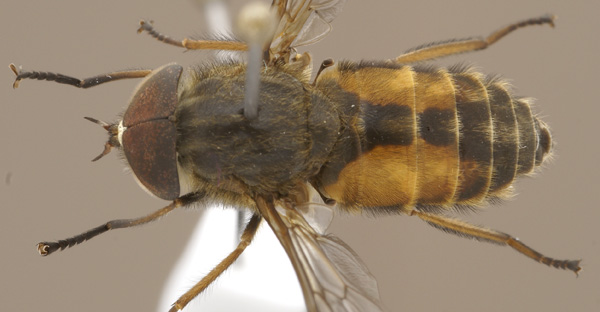 [79.85Kb] Edited by sd on 13-01-2011 19:22 |
|
|
|
| sd |
Posted on 13-01-2011 18:49
|
|
Member Location: Suffolk, UK Posts: 893 Joined: 11.10.07 |
...
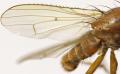
sd attached the following image: 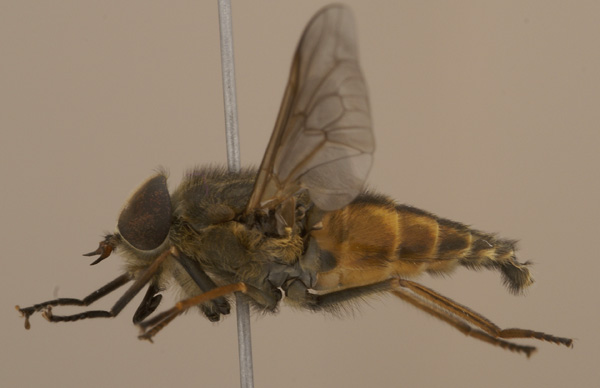 [68.52Kb] |
|
|
|
| sd |
Posted on 13-01-2011 18:50
|
|
Member Location: Suffolk, UK Posts: 893 Joined: 11.10.07 |
...
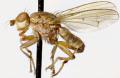
sd attached the following image: 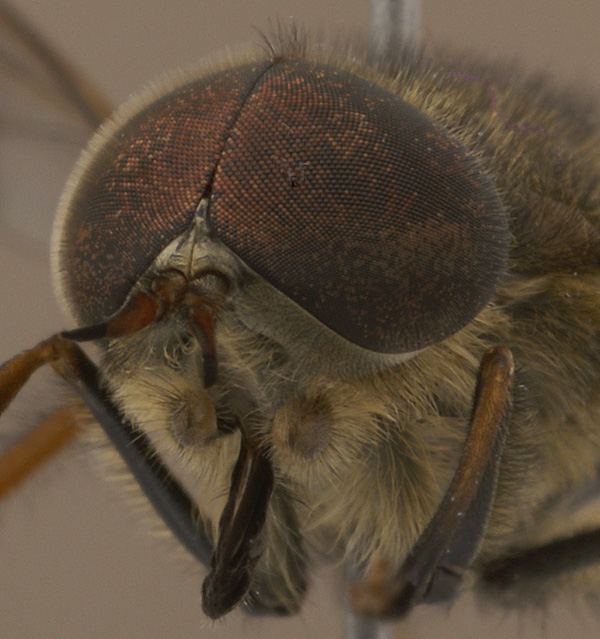 [153.81Kb] |
|
|
|
| sd |
Posted on 13-01-2011 18:51
|
|
Member Location: Suffolk, UK Posts: 893 Joined: 11.10.07 |
...
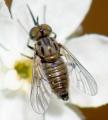
sd attached the following image: 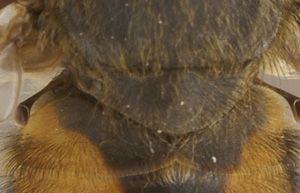 [56.32Kb] |
|
|
|
| Zeegers |
Posted on 14-01-2011 09:35
|
|
Member Location: Soest, NL Posts: 19308 Joined: 21.07.04 |
-1) Yes, this is male ciureai -2) scutellum, mentioned in the dutch (= mine) key, but you don't read dutch, I guess: looking very obliquely from behind, scutellum of ciureai is completely greyish, whereas muehlfeldi and bimaculata has a black tip. Not sure if this is true in males as well. -3) Males of muehlfeldi and distinguenda are excellent and persistent hovers, males ciureai don't hover but sit on leaves on the look-out. You can find males ciureai at warmer evenings (if you have any in UK) at light Theo |
|
|
|
| Jump to Forum: |