


Diptera.info :: Identification queries :: Diptera (adults)
 Phalacrotophora and Eustalomyia
|
|
| Petr Michael |
Posted on 11-01-2011 21:26
|
|
Member Location: Czech rep. Posts: 289 Joined: 03.10.09 |
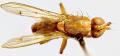
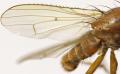
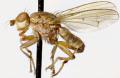
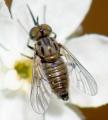
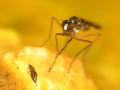
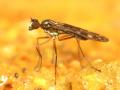
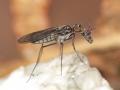
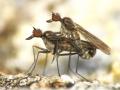
Dear Forum! I have always been kept in belief the flies of genus Phalacrotophora are parasites of Coccinellidae (i.e. for instance the excellent photos on "Diptera.info"  . One sunny day - on . One sunny day - on5th of August 2010 - I had gone on my knees at the popple stump and within an hour I could see very interesting "show": There were several tiny holes on the stump surface, inside them the nests of crabronid wasps of genus Diodontus (I am convinced). The females have brought some Homoptera prey time to time. They were carefully watched by the anthomyiid flies Eustalomyia (hilaris - I think) and - it is very interesting! - by the phorid Phalacrotophora more!! If Phalacrotophora is parasite either of wasp or anthomyiid, I don´t know... I take that this set of photos will tell much more: Petr Michael, CZ Petr Michael attached the following image: 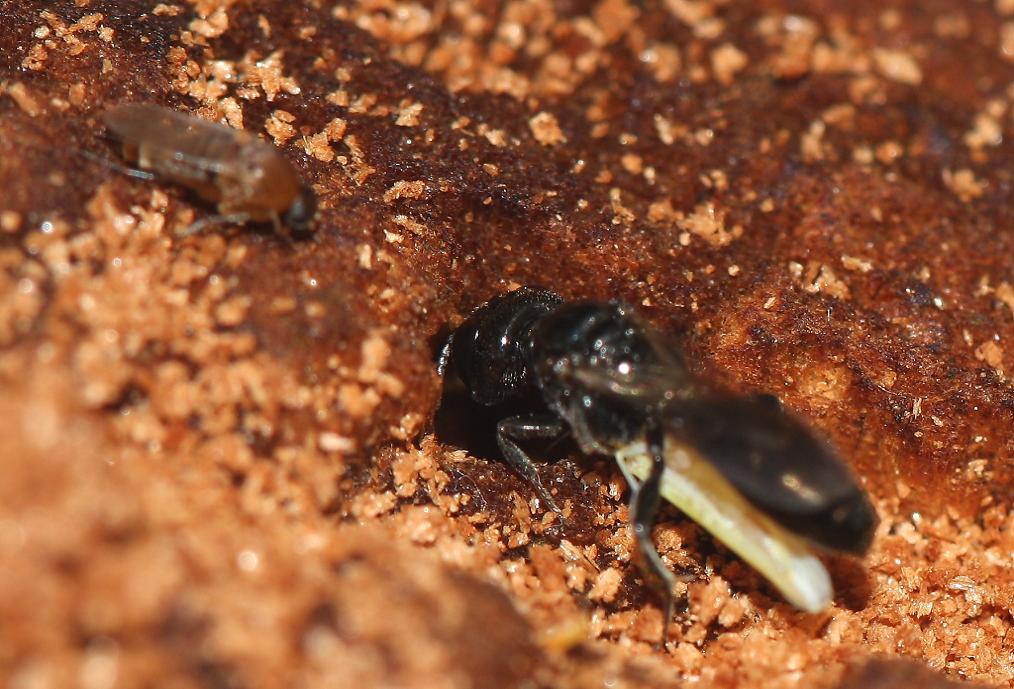 [131.53Kb] |
|
|
|
| Petr Michael |
Posted on 11-01-2011 21:27
|
|
Member Location: Czech rep. Posts: 289 Joined: 03.10.09 |
2nd photo
Edited by Petr Michael on 11-01-2011 21:32 |
|
|
|
| Petr Michael |
Posted on 11-01-2011 21:32
|
|
Member Location: Czech rep. Posts: 289 Joined: 03.10.09 |
2nd photo
Petr Michael attached the following image: 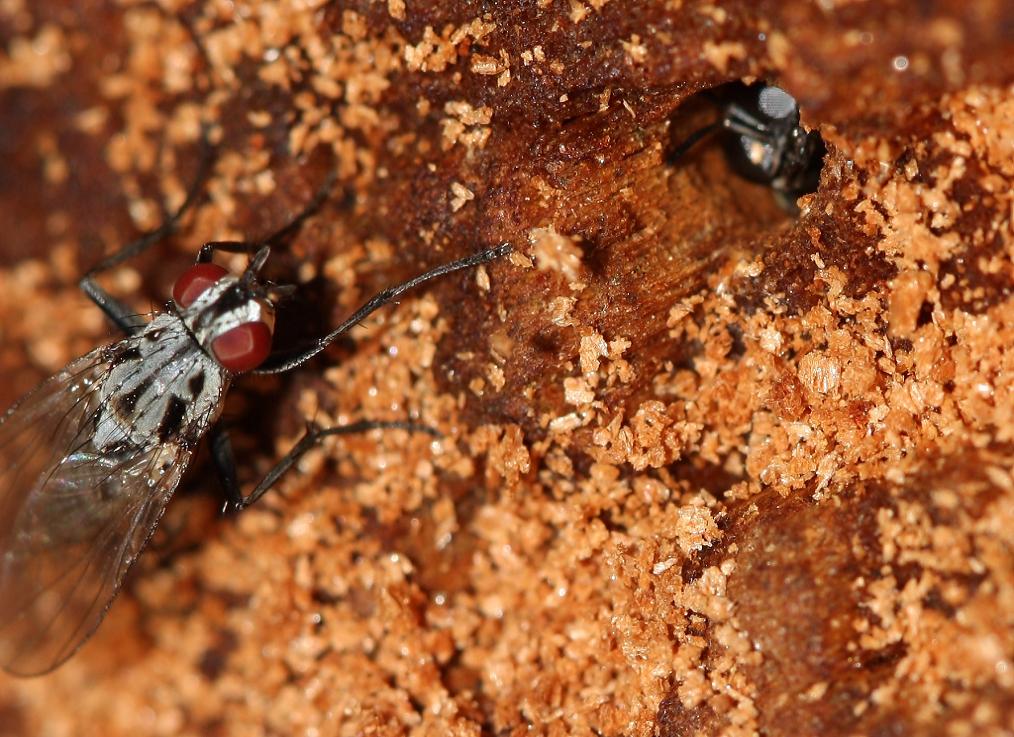 [155.64Kb] |
|
|
|
| Petr Michael |
Posted on 11-01-2011 21:33
|
|
Member Location: Czech rep. Posts: 289 Joined: 03.10.09 |
3rd photo
Edited by Petr Michael on 11-01-2011 21:34 |
|
|
|
| Petr Michael |
Posted on 11-01-2011 21:35
|
|
Member Location: Czech rep. Posts: 289 Joined: 03.10.09 |
3rd photo
Petr Michael attached the following image: 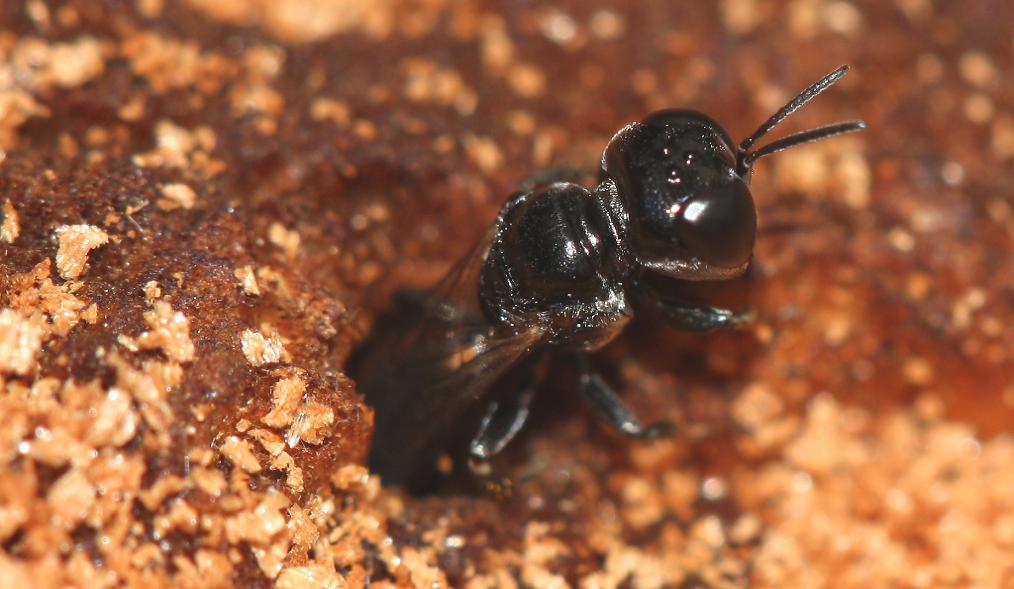 [87.82Kb] |
|
|
|
| Petr Michael |
Posted on 11-01-2011 21:35
|
|
Member Location: Czech rep. Posts: 289 Joined: 03.10.09 |
4th photo
Edited by Petr Michael on 11-01-2011 21:39 |
|
|
|
| Petr Michael |
Posted on 11-01-2011 21:41
|
|
Member Location: Czech rep. Posts: 289 Joined: 03.10.09 |
4th photo please, forgive my mistakes in the replying the photos!! Petr Michael attached the following image: 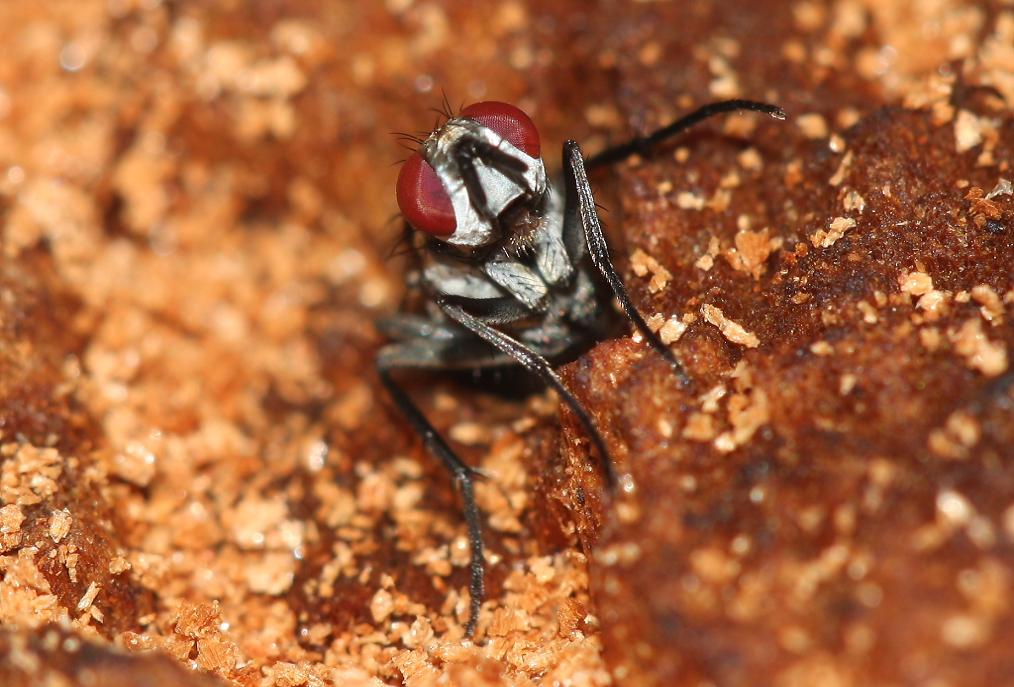 [113.58Kb] |
|
|
|
| Petr Michael |
Posted on 11-01-2011 21:42
|
|
Member Location: Czech rep. Posts: 289 Joined: 03.10.09 |
5th photo
Petr Michael attached the following image: 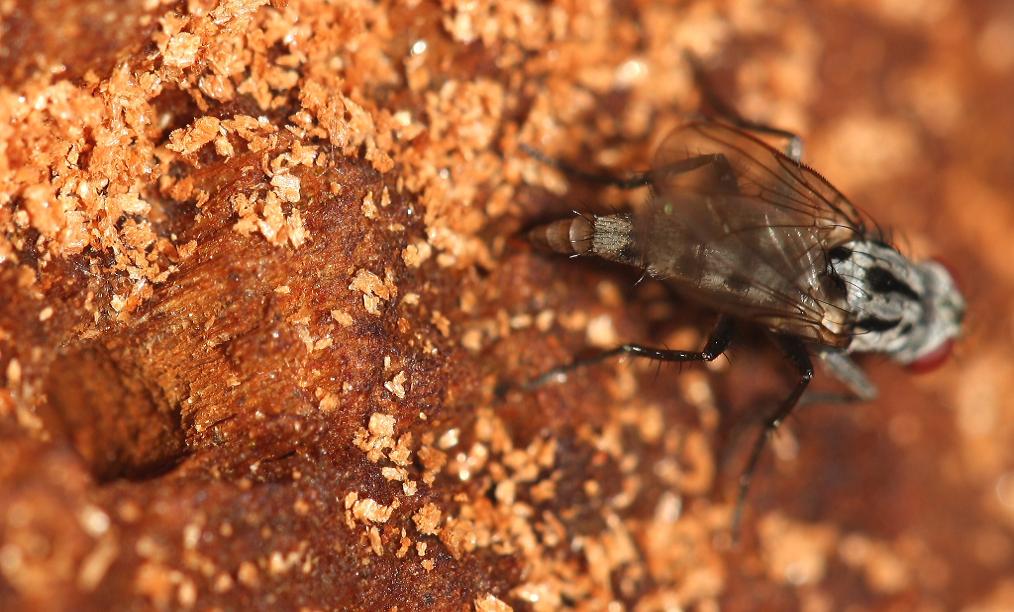 [119.68Kb] |
|
|
|
| Petr Michael |
Posted on 11-01-2011 21:42
|
|
Member Location: Czech rep. Posts: 289 Joined: 03.10.09 |
6th photo |
|
|
|
| Petr Michael |
Posted on 11-01-2011 21:47
|
|
Member Location: Czech rep. Posts: 289 Joined: 03.10.09 |
6th photo
Petr Michael attached the following image: 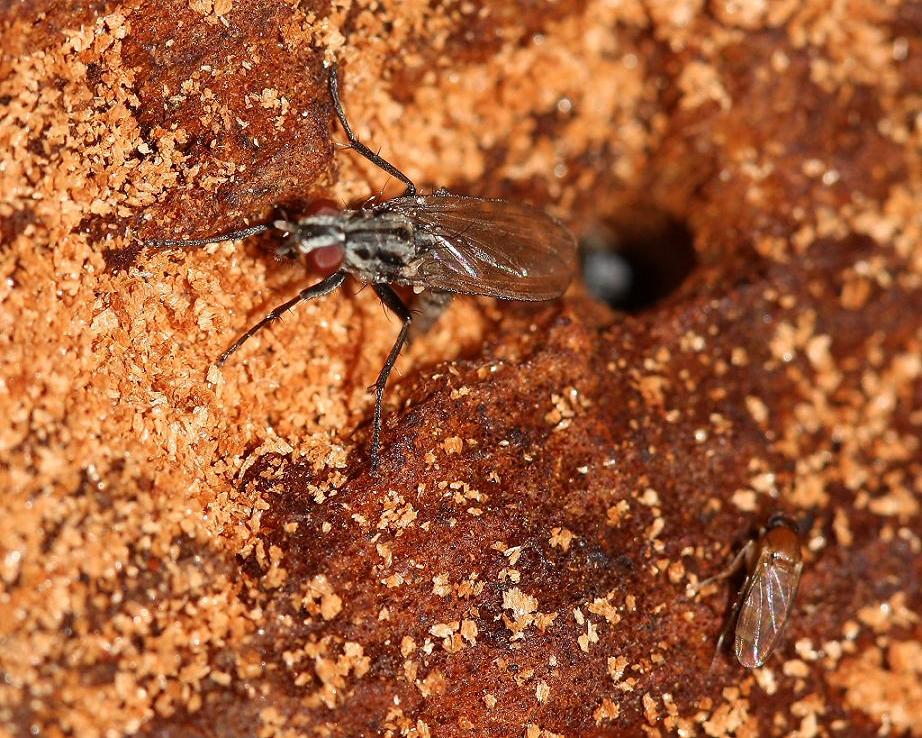 [189.18Kb] |
|
|
|
| Petr Michael |
Posted on 11-01-2011 21:48
|
|
Member Location: Czech rep. Posts: 289 Joined: 03.10.09 |
7th photo
Petr Michael attached the following image: 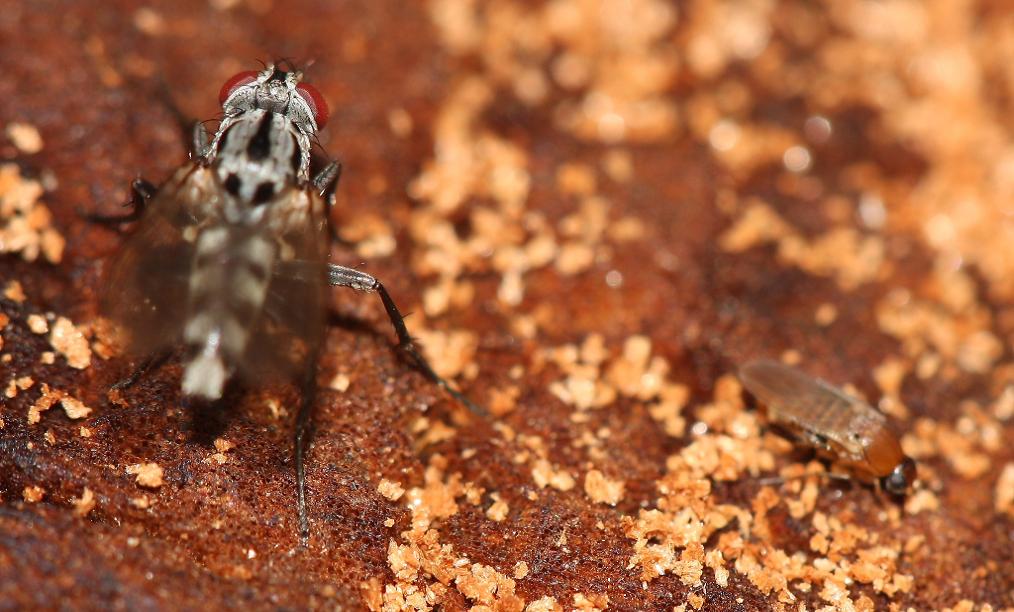 [110.2Kb] |
|
|
|
| Petr Michael |
Posted on 11-01-2011 21:48
|
|
Member Location: Czech rep. Posts: 289 Joined: 03.10.09 |
8th photo
Petr Michael attached the following image: 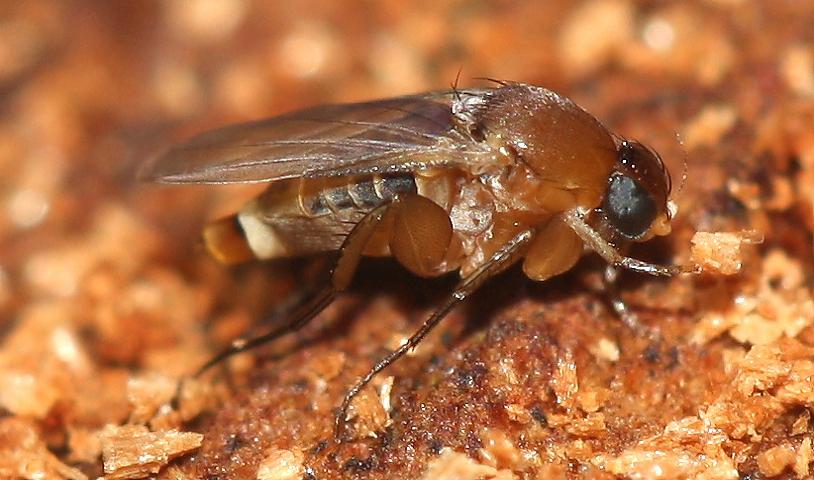 [76.04Kb] |
|
|
|
| Petr Michael |
Posted on 11-01-2011 21:49
|
|
Member Location: Czech rep. Posts: 289 Joined: 03.10.09 |
9th photo
Petr Michael attached the following image: 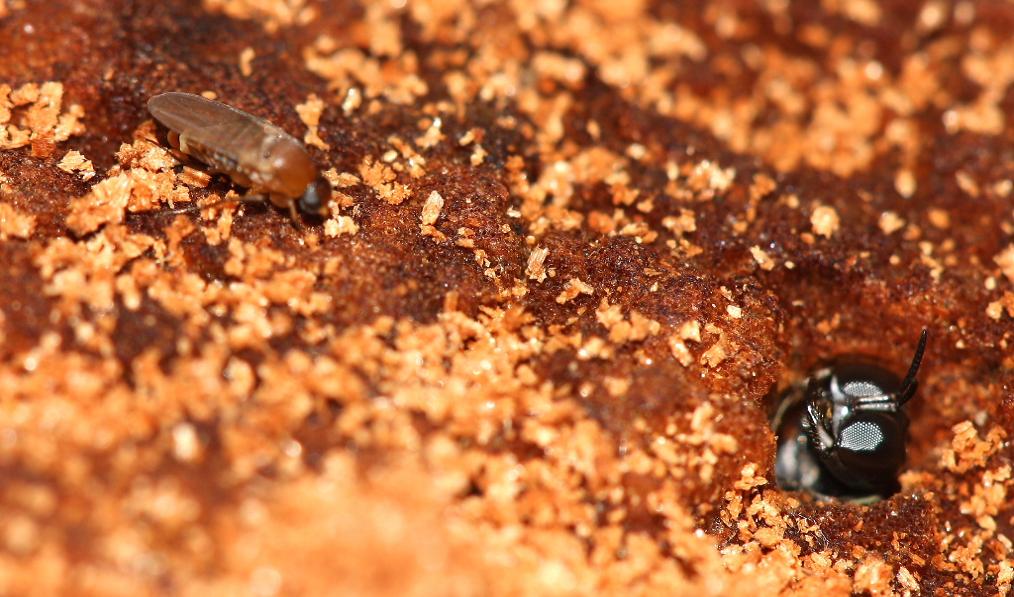 [122.56Kb] |
|
|
|
| Petr Michael |
Posted on 11-01-2011 21:50
|
|
Member Location: Czech rep. Posts: 289 Joined: 03.10.09 |
10th photo
Petr Michael attached the following image: 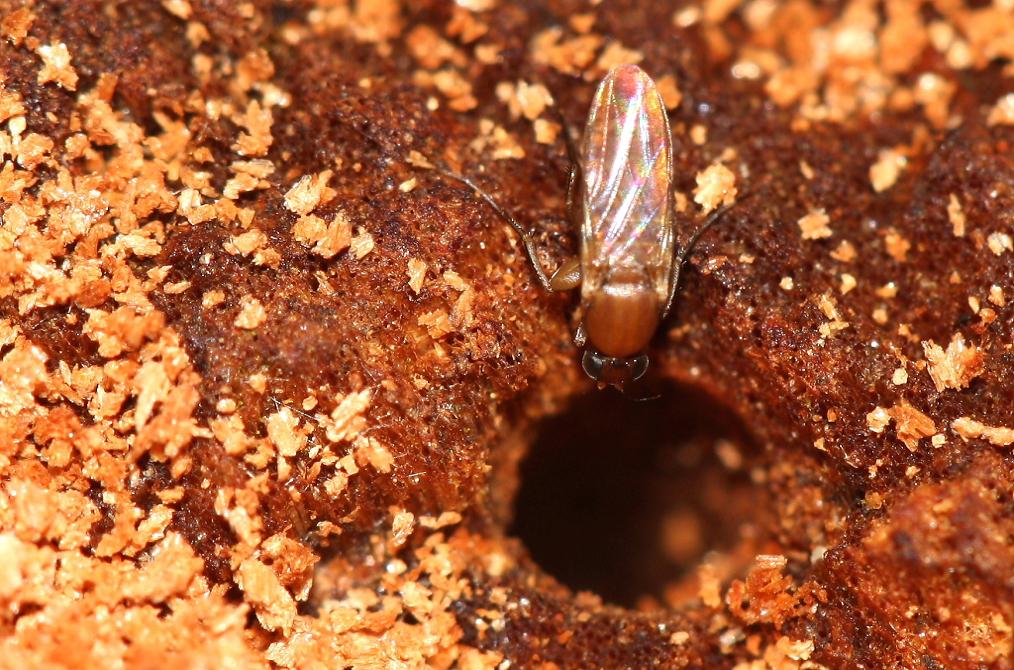 [169.83Kb] |
|
|
|
| Petr Michael |
Posted on 11-01-2011 21:50
|
|
Member Location: Czech rep. Posts: 289 Joined: 03.10.09 |
11th photo
Petr Michael attached the following image: 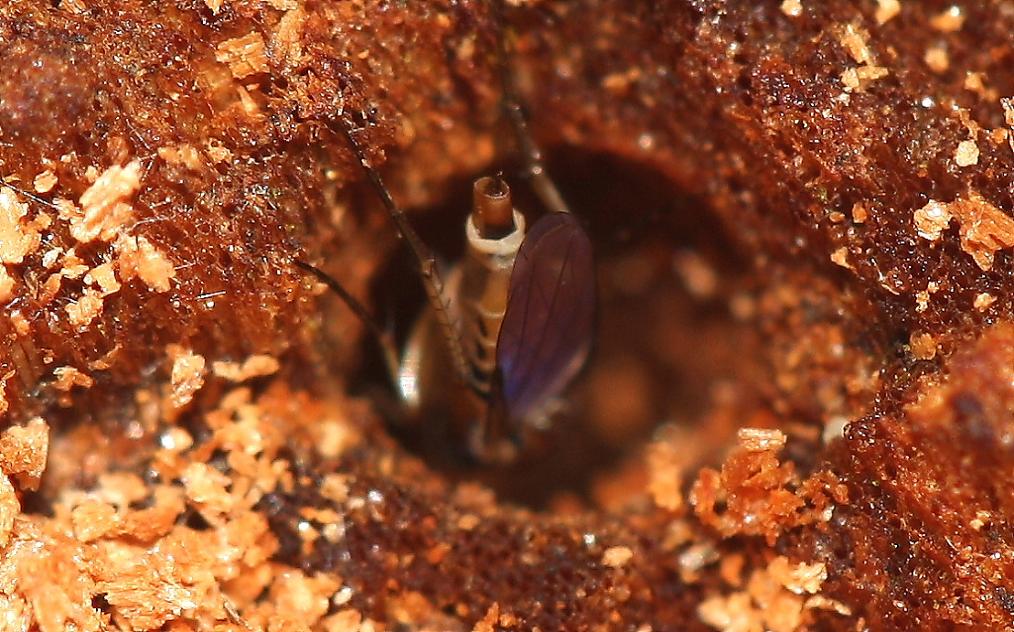 [145.23Kb] |
|
|
|
| javanerkelens |
Posted on 11-01-2011 22:15
|
 Member Location: Netherlands Posts: 2962 Joined: 18.10.07 |
Eustalomyia hilaris indeed can be associated with sphecoid wasps and are cleptoparasites in their burrows. Nice documentary! Joke |
|
|
|
| Paul Beuk |
Posted on 11-01-2011 22:54
|
 Super Administrator Location: Netherlands Posts: 19403 Joined: 11.05.04 |
I have doubts about the phorid being Phalacrotophora as that is a ladybird parasitoid. I think it might be a Megaselia but will try to find out more tomorrow (if I don't forget so don't hold your breath , Roger has experiences a smurfish period trying to do that).
Paul - - - - Paul Beuk on https://diptera.info |
 |
|
| bbrown |
Posted on 12-01-2011 02:37
|
|
Member Location: Los Angeles, California Posts: 103 Joined: 17.02.05 |
Most of the New World Phalacrotophora are parasitoids or kleptoparasites of solitary Hymenoptera, but I'm not sure if there are any European records of this. Nice find! It certainly looks like a Phalacrotophora to me. You didn't catch a specimen, did you? Brian Brian Brown Entomology NH Museum of Los Angeles Co. |
|
|
|
| Petr Michael |
Posted on 13-01-2011 13:55
|
|
Member Location: Czech rep. Posts: 289 Joined: 03.10.09 |
I must set right the genus name of sphecid wasp: it is Crossocerus. Petr Michael Petr Michael attached the following image: 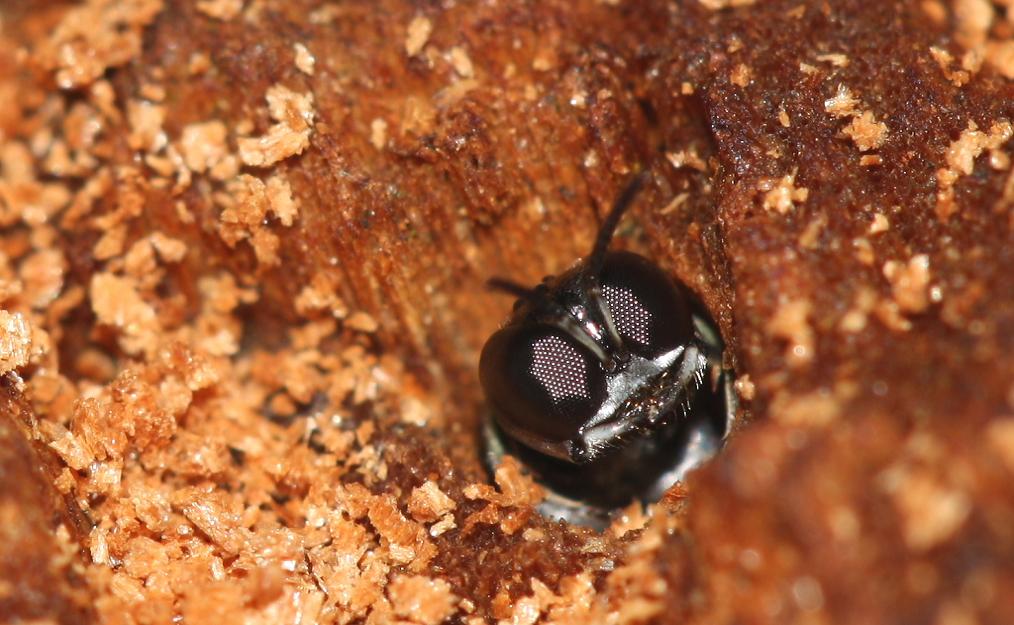 [114.38Kb] |
|
|
|
| Paul Beuk |
Posted on 13-01-2011 16:15
|
|
Super Administrator Location: Netherlands Posts: 19403 Joined: 11.05.04 |
bbrown wrote: Would be interesting to investigate whether they really are congeneric...
Most of the New World Phalacrotophora are parasitoids or kleptoparasites of solitary Hymenoptera, but I'm not sure if there are any European records of this. Nice find! It certainly looks like a Phalacrotophora to me. You didn't catch a specimen, did you? Brian Paul - - - - Paul Beuk on https://diptera.info |
|
|
|
| Jump to Forum: |