


Diptera.info :: Identification queries :: Diptera (adults)
Who is here? 1 guest(s)
 Chetogena (was: Tachinidae)
|
|
| neprisikiski |
Posted on 06-01-2011 22:09
|
|
Member Location: Lithuania Posts: 876 Joined: 23.02.09 |
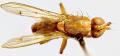
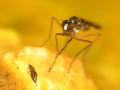
Hello, does anybody know how to separate Chetogena fasciata from Ch. tschorsnigi females? Thank you in advance.
neprisikiski attached the following image: 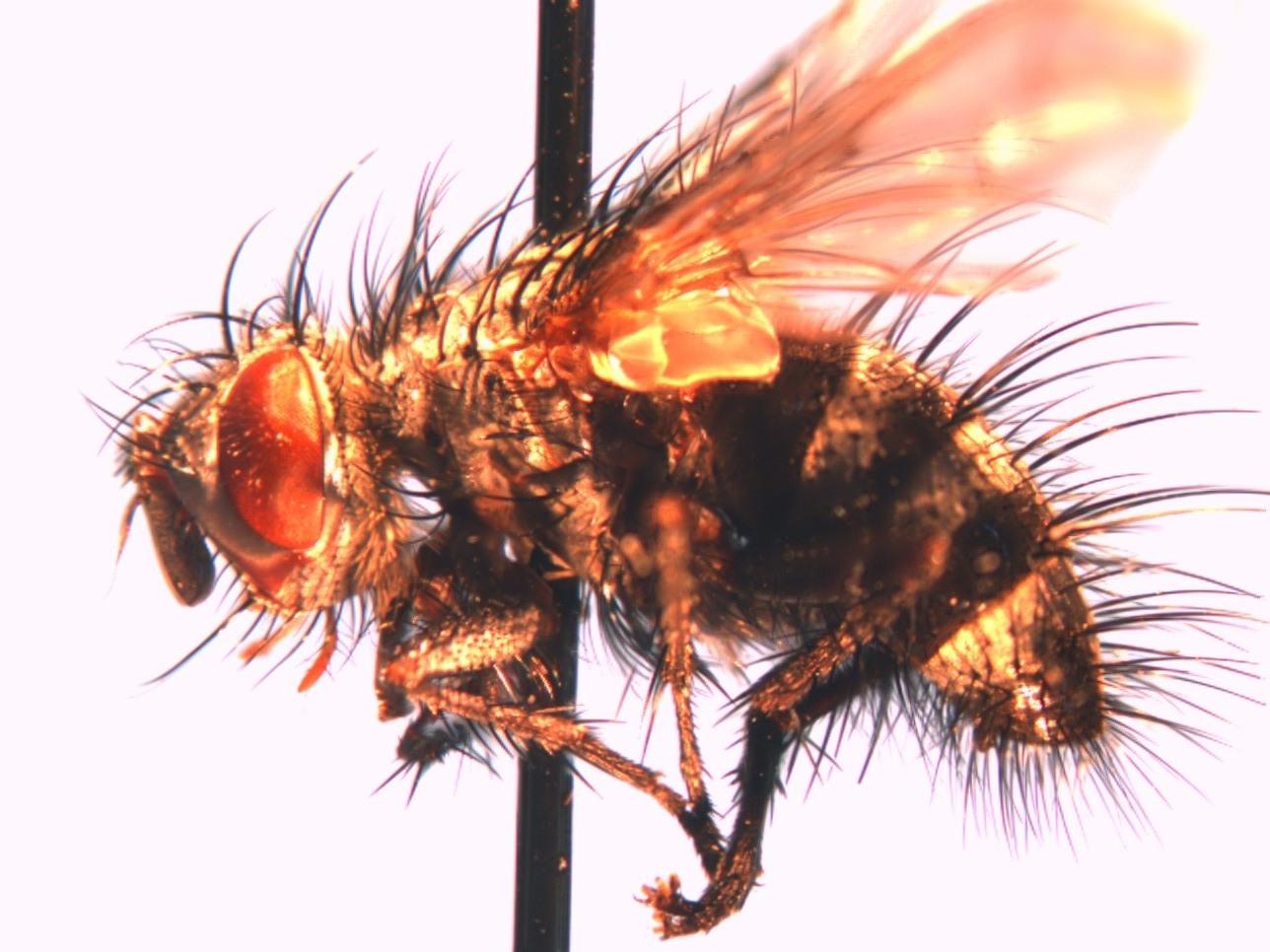 [123.18Kb] Edited by ChrisR on 11-01-2011 22:22 Erikas |
|
|
|
| neprisikiski |
Posted on 06-01-2011 22:10
|
|
Member Location: Lithuania Posts: 876 Joined: 23.02.09 |
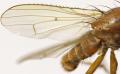
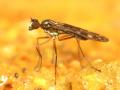
Head closer.
neprisikiski attached the following image: 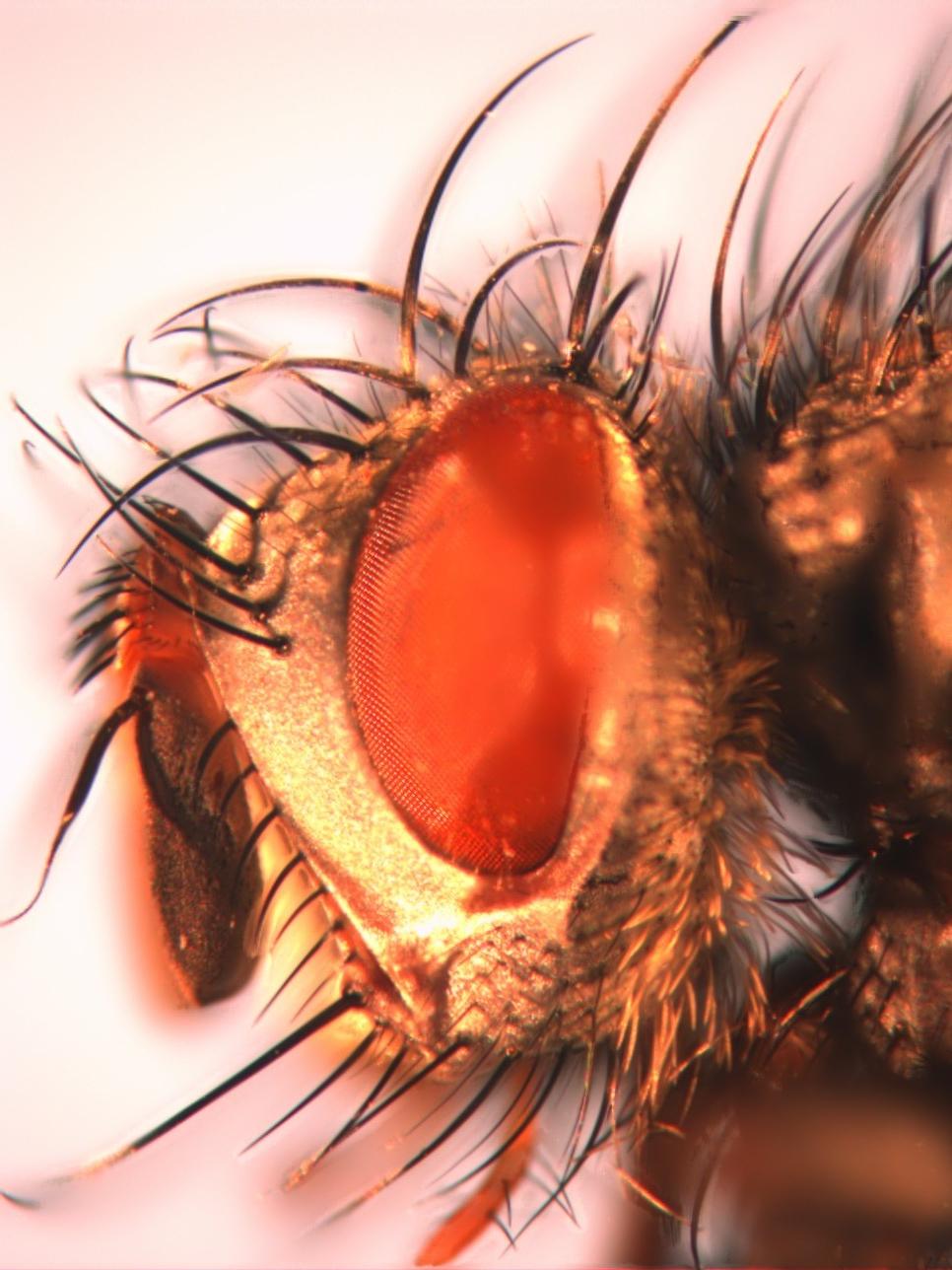 [125.7Kb] Erikas |
|
|
|
| neprisikiski |
Posted on 06-01-2011 22:11
|
|
Member Location: Lithuania Posts: 876 Joined: 23.02.09 |
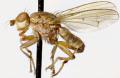
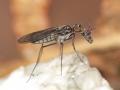
From dorsal.
neprisikiski attached the following image: 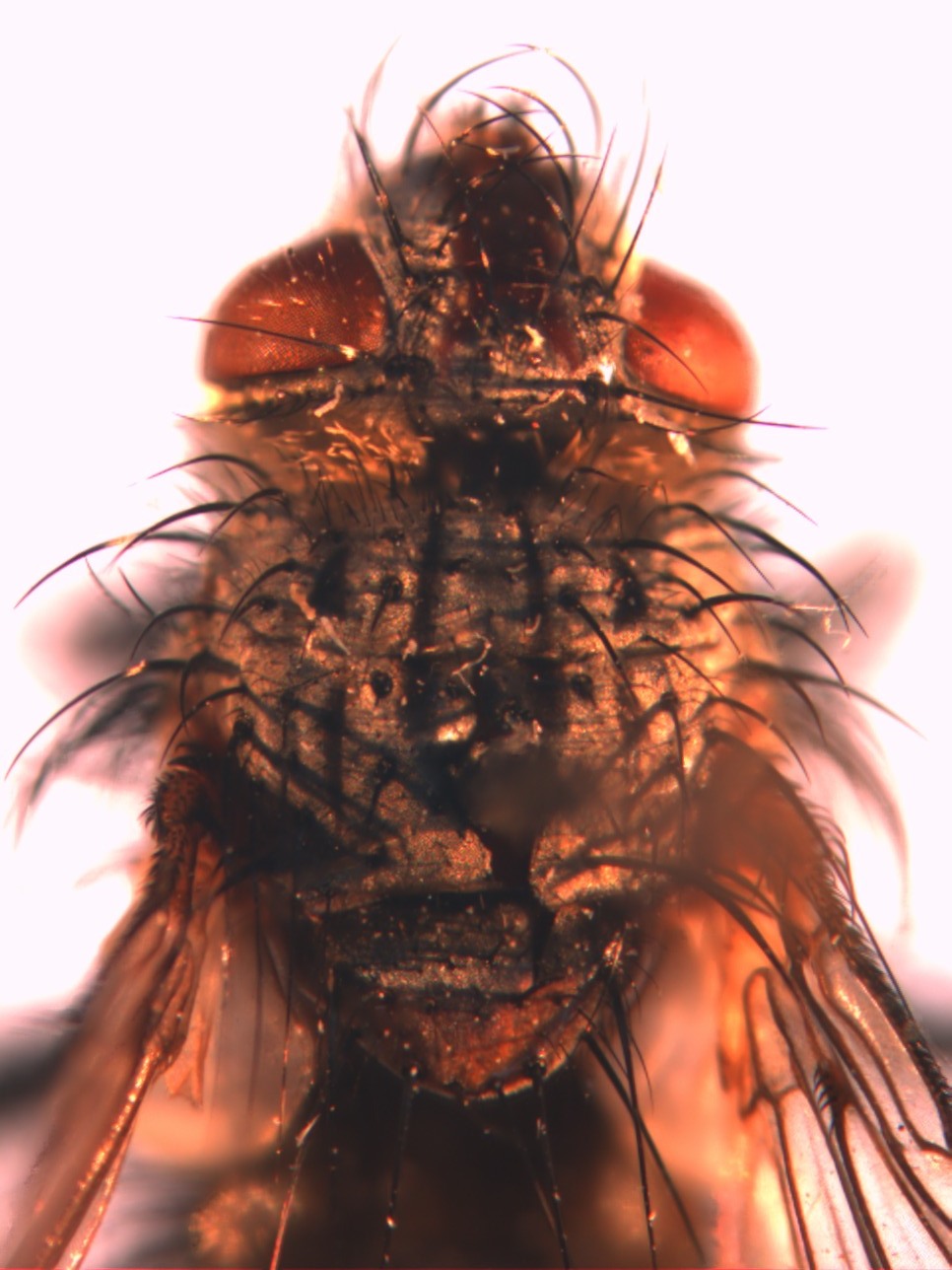 [190.26Kb] Erikas |
|
|
|
| neprisikiski |
Posted on 06-01-2011 22:12
|
|
Member Location: Lithuania Posts: 876 Joined: 23.02.09 |
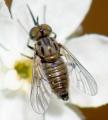
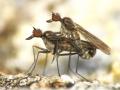
Abdomen.
neprisikiski attached the following image: 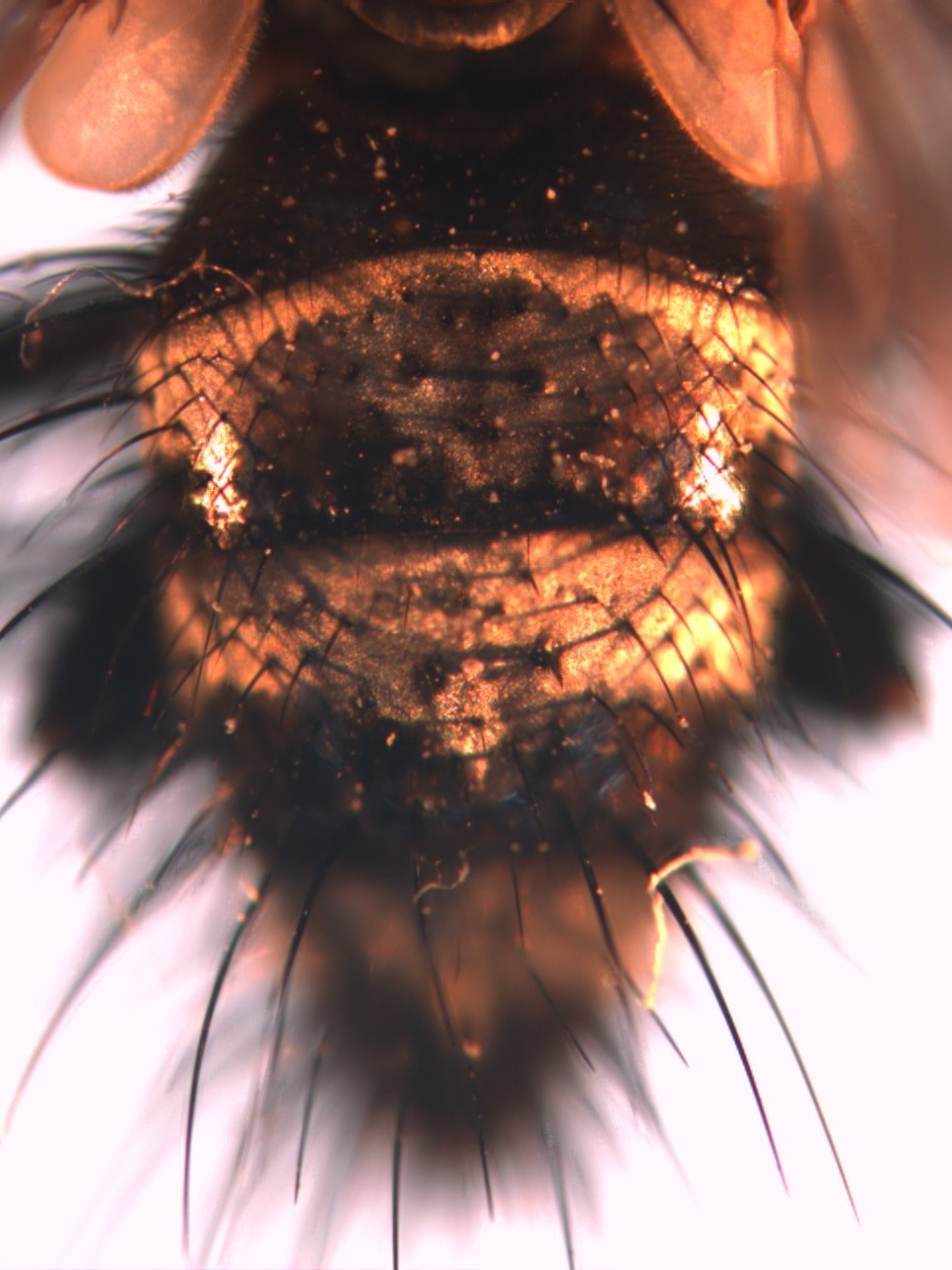 [187.41Kb] Erikas |
|
|
|
| Zeegers |
Posted on 07-01-2011 09:15
|
|
Member Location: Soest, NL Posts: 19308 Joined: 21.07.04 |
Yes, Erikas, you have got some nice stuff !! Bands on pruinescense broader than half of tergite, esp. on t4 with an extension in the middle backwards to nearly hind margin of tergite4 -> tschorsnigi Bands on pruinescense distinctly smaller than half of tergites, only in middle of t4 just reaching halfway backwards -> fasciata LOOK OBLIQUELY FROM BEHIND !! I don't expect fasciata in Lithuania and I do expect tschorsnigi. Given the non-oblique angle, this one should be tschorsnigi (but not 100 % sure) Theo I'm not 100 % |
|
|
|
| neprisikiski |
Posted on 07-01-2011 17:40
|
|
Member Location: Lithuania Posts: 876 Joined: 23.02.09 |
Dear Theo, bands of dusting half as wide as tergites only on the sides of tergites; on tergites 4-5 even slightly less. An extension in the middle backwards to nearly hind margin of tergite 4 that sound OK. But tergite 3 consists of two types of dusting: fat dusting occupy only very narrow stripe near anterior margin of that tergite; the rest is very weak dusting, that cannot be recognized from a certain angle (it visible from above, but absent when looking from behind)!
Edited by neprisikiski on 07-01-2011 18:06 Erikas |
|
|
|
| Zeegers |
Posted on 07-01-2011 21:18
|
|
Member Location: Soest, NL Posts: 19308 Joined: 21.07.04 |
that does not sound like tschornigi. I have 1 female fasciata, I will recheck. Theo |
|
|
|
| Zeegers |
Posted on 11-01-2011 19:36
|
|
Member Location: Soest, NL Posts: 19308 Joined: 21.07.04 |
I contacted J. Ziegler, Berlin, the author of tschorsnigi. In his opinion, this is without doubt tschorsnigi, based on the (relative) width of the vertex (broader in fasciata). Erikas, is this material from alhohol ? That might explain the slightly different abdominal pattern. Theo |
|
|
|
| neprisikiski |
Posted on 11-01-2011 22:08
|
|
Member Location: Lithuania Posts: 876 Joined: 23.02.09 |
Thanks Theo, The specimen was cought by a pit-fall trap sutuated in the moss in the bog, I am not sure if ethanol was used for killing. But I was almost sure, that it was fasciata, based on the dusting at the sides of tergites, as it occupies clearly narrower area than length of tergite! Please, can I get more precise explanation, how much the vertex is wider in faciata females? Erikas |
|
|
|
| Zeegers |
Posted on 12-01-2011 10:00
|
|
Member Location: Soest, NL Posts: 19308 Joined: 21.07.04 |
Sure According to Ziegler vertex vs. width of 1 eye: 'females von C. tschorsnigi 122-150%, females von C. fasciata 160-187%' However, these numbers only make sense if you use the same way of measuring. I'm not the expert here, but based on the pictures, I thought it to be tschorsnigi (see above), however, your description made me doubt again. Pictures can be very misleading, so I have learned on this forum. |
|
|
|
| Jump to Forum: |