


Diptera.info :: Identification queries :: Diptera (adults)
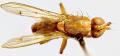
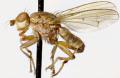
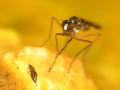
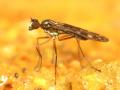
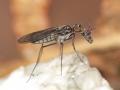
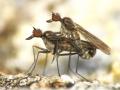
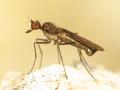
 Voria ruralis(male)? (Macquartia sp.)
|
|
| Mucha Fero |
Posted on 02-12-2010 12:21
|
 Member Location: Posts: 8424 Joined: 27.09.10 |
Voria ruralis(male) is the correct name? Thank you very much. Mucha František, Terchová, Slovak Republik 
Edited by Mucha Fero on 04-12-2010 05:16 |
|
|
|
| ChrisR |
Posted on 02-12-2010 16:06
|
 Super Administrator Location: Reading, England Posts: 7706 Joined: 12.07.04 |
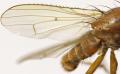
I can see why you think it is, because the m-cu looks steeply angled .. but it isn't angled enough - perhaps an effect of the lens or the angle of the shot. This also doesn't have any down-curved parafacial bristles. My money would be on a Macquartia 
Manager of the UK Species Inventory in the Angela Marmont Centre for UK Biodiversity at the Natural History Museum, London. |
 |
|
| Mucha Fero |
Posted on 02-12-2010 17:30
|
|
Member Location: Posts: 8424 Joined: 27.09.10 |
ChrisR wrote: I can see why you think it is, because the m-cu looks steeply angled .. but it isn't angled enough - perhaps an effect of the lens or the angle of the shot. This also doesn't have any down-curved parafacial bristles. My money would be on a Macquartia I decided to Macquartia tessellum (male). Chris thank you for your help in identifying. |
|
|
|
| ChrisR |
Posted on 02-12-2010 18:06
|
|
Super Administrator Location: Reading, England Posts: 7706 Joined: 12.07.04 |
Hard to say that it is M.tessellum - please don't push an identification further than we can see  To me the excavation on T1+2 does not reach the posterior margin so I would say that it can't be M.tessellum. To me the excavation on T1+2 does not reach the posterior margin so I would say that it can't be M.tessellum.
Manager of the UK Species Inventory in the Angela Marmont Centre for UK Biodiversity at the Natural History Museum, London. |
|
|
|
| Mucha Fero |
Posted on 03-12-2010 05:10
|
|
Member Location: Posts: 8424 Joined: 27.09.10 |
ChrisR wrote: Hard to say that it is M.tessellum - please don't push an identification further than we can see To me the excavation on T1+2 does not reach the posterior margin so I would say that it can't be M.tessellum.I edited the Macquartia cf. tessellum. Chris thank you very much for your help in identifying. |
|
|
|
| Zeegers |
Posted on 03-12-2010 10:42
|
|
Member Location: Soest, NL Posts: 19308 Joined: 21.07.04 |
I agree with Chris. It is a male Macquartia but it does not look like tessellum to me. Theo |
|
|
|
| Mucha Fero |
Posted on 03-12-2010 12:04
|
|
Member Location: Posts: 8424 Joined: 27.09.10 |
Zeegers wrote: I agree with Chris. It is a male Macquartia but it does not look like tessellum to me. Theo cf. Macquartia is correctly named? |
|
|
|
| ChrisR |
Posted on 03-12-2010 12:23
|
|
Super Administrator Location: Reading, England Posts: 7706 Joined: 12.07.04 |
I would just say "Macquartia sp." - no more, no less That's as much as we can say, given what we can see
Manager of the UK Species Inventory in the Angela Marmont Centre for UK Biodiversity at the Natural History Museum, London. |
|
|
|
| Mucha Fero |
Posted on 04-12-2010 05:17
|
|
Member Location: Posts: 8424 Joined: 27.09.10 |
ChrisR wrote: I would just say "Macquartia sp." - no more, no less That's as much as we can say, given what we can see Chris thank you very much. |
|
|
|
| Jump to Forum: |