


Diptera.info :: Identification queries :: Diptera (adults)
Who is here? 1 guest(s)
 Tachinidae
|
|
| conopid |
Posted on 04-10-2010 23:10
|
 Member Location: United Kingdom Posts: 1039 Joined: 02.07.04 |
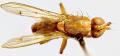
This male Tachinid looks superficially like a Phryxe. The genitalia appear to me to be a good match for the illustration of P. maginicornis in Belshaw's UK key. But, the eyes appear bare with only sparse and very short hairs, certainly unlike the usual hairy eyes of Phryxe. Can anyone suggest what genus this might be if it's not Phryxe? About 7mm length. 13 May, UK meadows. conopid attached the following image: 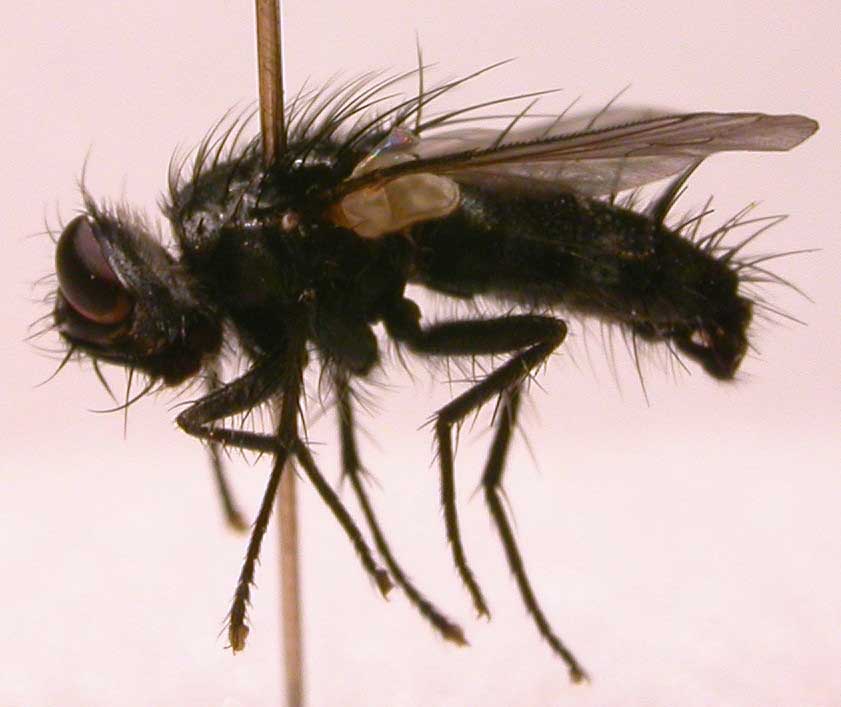 [39.37Kb] Nigel Jones, Shrewsbury, United Kingdom |
|
|
|
| conopid |
Posted on 04-10-2010 23:11
|
|
Member Location: United Kingdom Posts: 1039 Joined: 02.07.04 |
Another shot - sorry not brilliant photos.
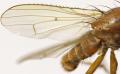
conopid attached the following image: 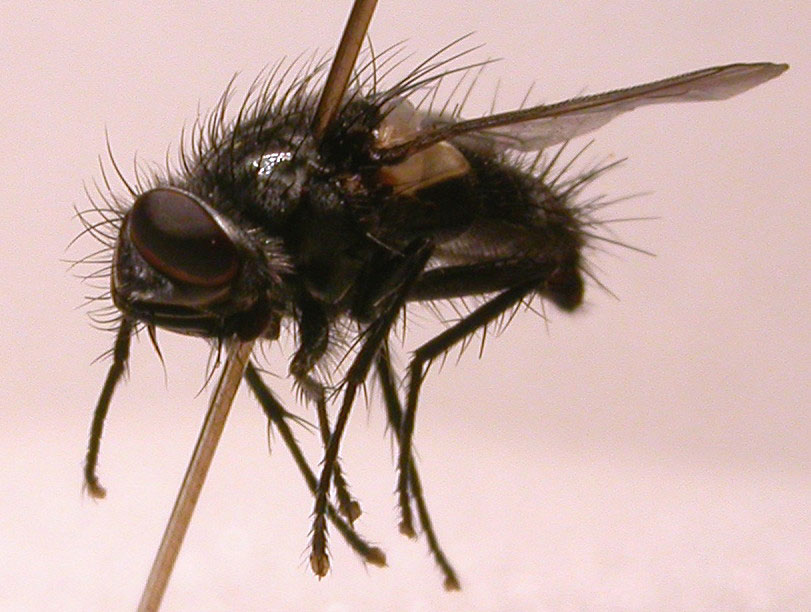 [98.39Kb] Nigel Jones, Shrewsbury, United Kingdom |
|
|
|
| Zeegers |
Posted on 05-10-2010 18:50
|
|
Member Location: Soest, NL Posts: 19308 Joined: 21.07.04 |
Hi Nigel, You'd need to flash more in front of the animal, the head is too dark now. And we could do with a dorsal shot. The abdomen seems much too elongated for Phryxe. Thoe |
|
|
|
| ChrisR |
Posted on 05-10-2010 20:25
|
 Super Administrator Location: Reading, England Posts: 7706 Joined: 12.07.04 |
The eye appears bare too, which is another non-Phryxe feature  Basically, the one thing it definitely isn't ... is Phryxe Basically, the one thing it definitely isn't ... is Phryxe 
Manager of the UK Species Inventory in the Angela Marmont Centre for UK Biodiversity at the Natural History Museum, London. |
 |
|
| conopid |
Posted on 06-10-2010 15:15
|
|
Member Location: United Kingdom Posts: 1039 Joined: 02.07.04 |
Thanks Chris. Yes I had thought that lack of eye hairs should exclude Phryxe. It does have the very upright apical scutellar bristles of Phryxe which caused me to think it might be. I'll take some better lit shots later and post them. This one is going to be new to me I think :0
Nigel Jones, Shrewsbury, United Kingdom |
|
|
|
| ChrisR |
Posted on 06-10-2010 15:31
|
|
Super Administrator Location: Reading, England Posts: 7706 Joined: 12.07.04 |
Great - you're welcome to send it over if you want me to have a look at it. Actually I keep finding a pile of flies in small boxes, which I think I have to send back to you - are you coming to the tachinid workshop next March(?)?
Manager of the UK Species Inventory in the Angela Marmont Centre for UK Biodiversity at the Natural History Museum, London. |
|
|
|
| conopid |
Posted on 07-10-2010 15:15
|
|
Member Location: United Kingdom Posts: 1039 Joined: 02.07.04 |
Hi Chris, I may well add it to a little collection of Tachs that I intend to send to you for determination. I am busy trying to work through all the material I collected in 2010 and will be posting mystery Tachs to you when I have finsihed this task. I won't be at the workshop, but no rush for return of specimens. I have collected plenty of Nemorilla floralis now, so there's no need to return the specimen I sent you last year. I've got that post pronotal bristle arrangement off to a tee now!  More soon..... Nigel Jones, Shrewsbury, United Kingdom |
|
|
|
| ChrisR |
Posted on 07-10-2010 16:13
|
|
Super Administrator Location: Reading, England Posts: 7706 Joined: 12.07.04 |
Yeah, it's something that is really easy when you have seen a Nemorilla ... but they're not common these days and so they're not a species that I come across. It's a feature that is far commoner in the neotropics so I have had plenty of experience spotting it
Manager of the UK Species Inventory in the Angela Marmont Centre for UK Biodiversity at the Natural History Museum, London. |
|
|
|
| conopid |
Posted on 08-10-2010 14:18
|
|
Member Location: United Kingdom Posts: 1039 Joined: 02.07.04 |
I appear to have a good population of Nemorilla in my garden!
Nigel Jones, Shrewsbury, United Kingdom |
|
|
|
| ChrisR |
Posted on 08-10-2010 14:25
|
|
Super Administrator Location: Reading, England Posts: 7706 Joined: 12.07.04 |
Lucky you! I should probably get out a bit more at the end of the season and look ... perhaps I'll visit some nature reserves this weekend and just make sure I'm not missing anything exciting
Manager of the UK Species Inventory in the Angela Marmont Centre for UK Biodiversity at the Natural History Museum, London. |
|
|
|
| conopid |
Posted on 08-10-2010 16:20
|
|
Member Location: United Kingdom Posts: 1039 Joined: 02.07.04 |
Yeh, but you've got all those amazing neotropicals to look at.... Nigel Jones, Shrewsbury, United Kingdom |
|
|
|
| ChrisR |
Posted on 08-10-2010 16:38
|
|
Super Administrator Location: Reading, England Posts: 7706 Joined: 12.07.04 |
True, true ... but I tell myself that I just have to get some exercise some day
Manager of the UK Species Inventory in the Angela Marmont Centre for UK Biodiversity at the Natural History Museum, London. |
|
|
|
| conopid |
Posted on 08-10-2010 23:06
|
|
Member Location: United Kingdom Posts: 1039 Joined: 02.07.04 |
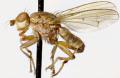
Here is a dorsal shot
conopid attached the following image: 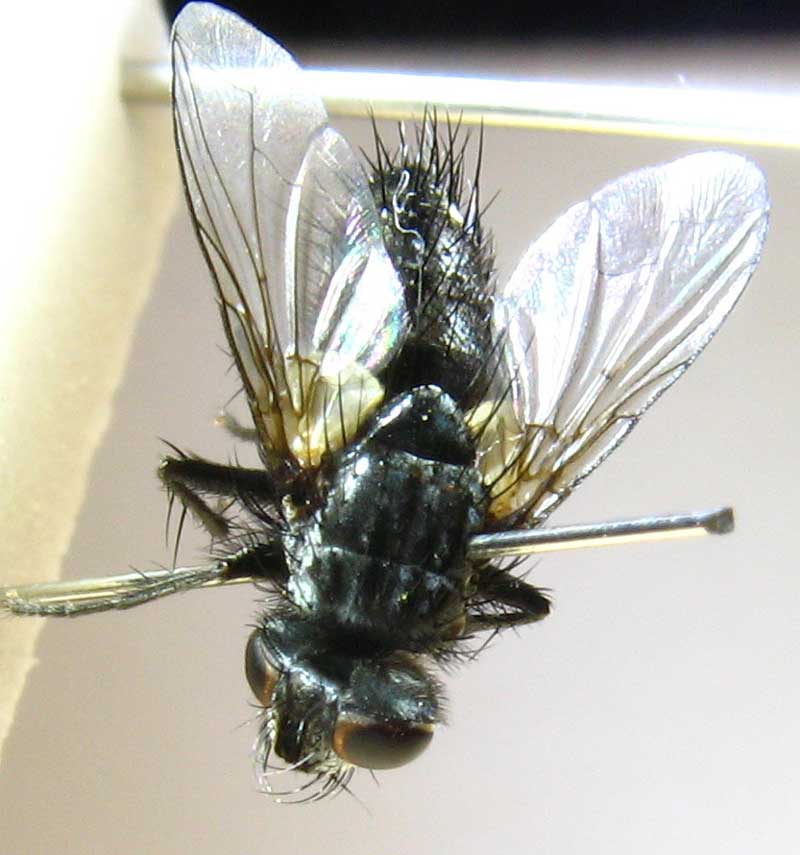 [54.43Kb] Nigel Jones, Shrewsbury, United Kingdom |
|
|
|
| conopid |
Posted on 08-10-2010 23:07
|
|
Member Location: United Kingdom Posts: 1039 Joined: 02.07.04 |
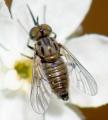
and the head
conopid attached the following image: 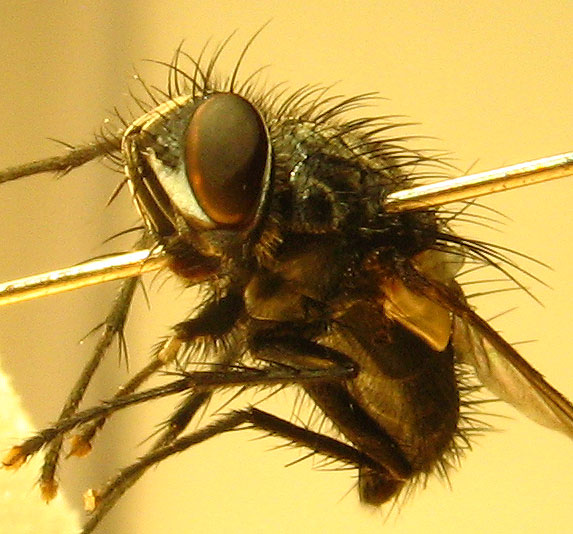 [76.75Kb] Nigel Jones, Shrewsbury, United Kingdom |
|
|
|
| ChrisR |
Posted on 09-10-2010 00:22
|
|
Super Administrator Location: Reading, England Posts: 7706 Joined: 12.07.04 |
Nice photos ... but it all looks a bit too anonymous to me ... though I keep thinking "Lydella"
Manager of the UK Species Inventory in the Angela Marmont Centre for UK Biodiversity at the Natural History Museum, London. |
|
|
|
| Zeegers |
Posted on 09-10-2010 08:40
|
|
Member Location: Soest, NL Posts: 19308 Joined: 21.07.04 |
Lydella is easy to check 4 sternopleurals, 1 strong bristle at base of vein R and male with some sort of Sturmia-spots on venter. Latter seem to be missing in last picture ?? Theo |
|
|
|
| conopid |
Posted on 10-10-2010 10:13
|
|
Member Location: United Kingdom Posts: 1039 Joined: 02.07.04 |
Yes it appears to be Lydella stabulans, in which the apical scutellars have become un-crossed, so it sent me the wrong way in the key. I'll include it in my box of specimens for a second opinion from Chris.
Nigel Jones, Shrewsbury, United Kingdom |
|
|
|
| Jump to Forum: |