


Diptera.info :: Identification queries :: Diptera (adults)
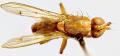
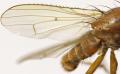
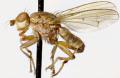
 Phasiinae (orange) -> Clytiomyia sp.
|
|
| paqui |
Posted on 07-09-2010 21:22
|
|
Member Location: Valencia (spain) Posts: 816 Joined: 02.09.05 |
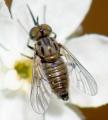
Could it be Eliozeta ? By Gonzalo Sancho (cut, not reduced, from here http://www.biodiv...15270.html ) - NE Spain, Zaragoza - Mediterranean wood, 469m - 4. june'09 Thankls again paqui attached the following image: 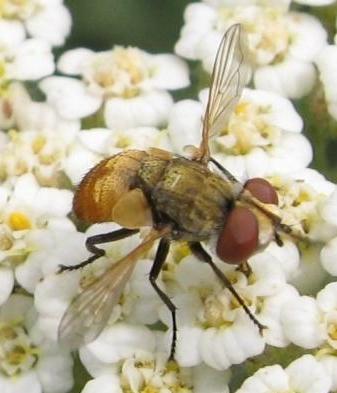 [21.53Kb] Edited by paqui on 09-09-2010 19:36 |
|
|
|
| ChrisR |
Posted on 07-09-2010 21:24
|
 Super Administrator Location: Reading, England Posts: 7706 Joined: 12.07.04 |
Either Eliozeta or Clytiomya - I haven't seen enough of these for it to be easy from photos 
Manager of the UK Species Inventory in the Angela Marmont Centre for UK Biodiversity at the Natural History Museum, London. |
 |
|
| paqui |
Posted on 07-09-2010 21:27
|
|
Member Location: Valencia (spain) Posts: 816 Joined: 02.09.05 |
thanks :) |
|
|
|
| Paul Beuk |
Posted on 08-09-2010 08:09
|
 Super Administrator Location: Netherlands Posts: 19403 Joined: 11.05.04 |
I'd say Eliozeta pellucens...
Paul - - - - Paul Beuk on https://diptera.info |
|
|
|
| paqui |
Posted on 08-09-2010 15:26
|
|
Member Location: Valencia (spain) Posts: 816 Joined: 02.09.05 |
thanks - edit: i thought Eliozeta too but i"felt" it had a narrow frons as Clitiomyia there are 4 species here: Clytiomyia continua Clytiomyia dupuisi Clytiomyia mesnili Clytiomyia sola But i have onlye keys/description for C. continua, so i didn´t dare (?), there are a lot of tachinids i still haven't seen thanks
Edited by paqui on 08-09-2010 15:59 |
|
|
|
| Zeegers |
Posted on 08-09-2010 18:15
|
|
Member Location: Soest, NL Posts: 19299 Joined: 21.07.04 |
It is NOT pellucens, since the arista is thickened at base only. It does not seem to be E. helluo, the parafrontals are not that golden yellow in this specimen.That means we are running out of Eliozeta and therefore it is most likely to be a male Clytiomyia (by negative ID). Theo |
|
|
|
| ChrisR |
Posted on 08-09-2010 18:18
|
|
Super Administrator Location: Reading, England Posts: 7706 Joined: 12.07.04 |
For such lovely, brightly-coloured flies I always have amazing trouble with them - the 2 genera are very similar indeed. It's probably one of those groups that needs a good series of each species before they 'click'.
Manager of the UK Species Inventory in the Angela Marmont Centre for UK Biodiversity at the Natural History Museum, London. |
|
|
|
| Zeegers |
Posted on 08-09-2010 18:37
|
|
Member Location: Soest, NL Posts: 19299 Joined: 21.07.04 |
Forget about the genera and make a combined key in your head. Than afterwards you can always check if the genus corresponds with the species. Theo |
|
|
|
| ChrisR |
Posted on 08-09-2010 18:44
|
|
Super Administrator Location: Reading, England Posts: 7706 Joined: 12.07.04 |
That's probably a very good idea - similar to the way that Belshaw treats some genera groups. Do you have such a key in your head that you could write here? 
Edited by ChrisR on 08-09-2010 19:03 Manager of the UK Species Inventory in the Angela Marmont Centre for UK Biodiversity at the Natural History Museum, London. |
|
|
|
| Zeegers |
Posted on 08-09-2010 18:45
|
|
Member Location: Soest, NL Posts: 19299 Joined: 21.07.04 |
in my head yes write yes now: no, sometime later Theo |
|
|
|
| ChrisR |
Posted on 08-09-2010 19:04
|
|
Super Administrator Location: Reading, England Posts: 7706 Joined: 12.07.04 |
OK, I have done the difficult bit ... I have started it: 1. Arista thickened beyond half its length ... Eliozeta pellucens - Arista thickened for less than half its length ... 2 2. ... Are there more than 3 species to factor into the key? Can couplet 2 split the rest on katepisternals/sternopleurals 2 or 3? Edited by ChrisR on 08-09-2010 19:06 Manager of the UK Species Inventory in the Angela Marmont Centre for UK Biodiversity at the Natural History Museum, London. |
|
|
|
| paqui |
Posted on 09-09-2010 19:33
|
|
Member Location: Valencia (spain) Posts: 816 Joined: 02.09.05 |
Thank you all very much :) |
|
|
|
| Zeegers |
Posted on 09-09-2010 21:05
|
|
Member Location: Soest, NL Posts: 19299 Joined: 21.07.04 |
Add to point one third antennal segment elongated, more than 1.5 x as long as wide -> pellucens shorter -> 2 You're doing great, Chris, looking forward to point 2 (suggestion: hairs on pleurae white -> sola group) |
|
|
|
| ChrisR |
Posted on 09-09-2010 21:58
|
|
Super Administrator Location: Reading, England Posts: 7706 Joined: 12.07.04 |
I'm looking forward to point 2 too I forgot about the sola group ... now it's bringing back horrible memories of wading through Clytiomya keys and scratching my head  The white hairs on pleura feature was the one that confused me ... I never could work out whether the hairs on mine were white enough or in exactly the right place ... probably need illustrating. Edited by ChrisR on 09-09-2010 22:00 Manager of the UK Species Inventory in the Angela Marmont Centre for UK Biodiversity at the Natural History Museum, London. |
|
|
|
| Jump to Forum: |