


Diptera.info :: Identification queries :: Diptera (adults)
Who is here? 1 guest(s)
 Tachinid?
|
|
| jezlee |
Posted on 11-08-2010 17:44
|
 Member Location: West Midlands, UK Posts: 195 Joined: 12.06.06 |
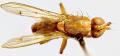
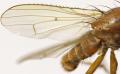
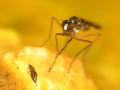
Hello all - I'm presuming from the bristly nature of this one, plus the wing venation, that this is a tachinid - am I correct? 
jezlee attached the following image: 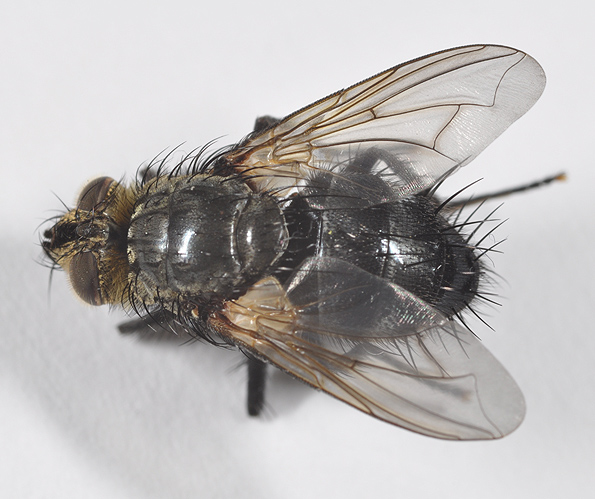 [126.85Kb] Jez Lee www.uknature.co.uk |
 |
|
| jezlee |
Posted on 11-08-2010 17:45
|
|
Member Location: West Midlands, UK Posts: 195 Joined: 12.06.06 |
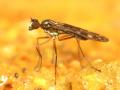
Another view ...
jezlee attached the following image: 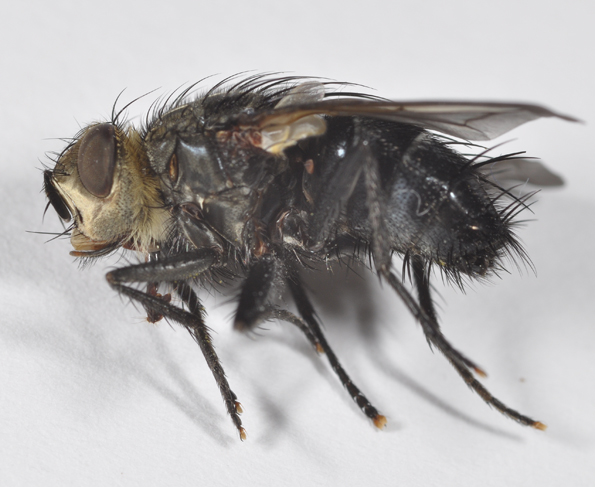 [151.14Kb] Jez Lee www.uknature.co.uk |
|
|
|
| jezlee |
Posted on 11-08-2010 17:45
|
|
Member Location: West Midlands, UK Posts: 195 Joined: 12.06.06 |
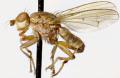
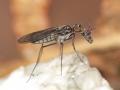
And another ...
jezlee attached the following image: 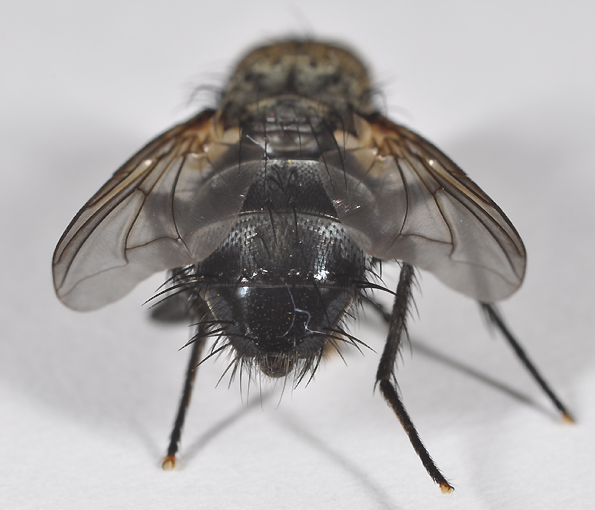 [139.66Kb] Jez Lee www.uknature.co.uk |
|
|
|
| ChrisR |
Posted on 11-08-2010 17:49
|
 Super Administrator Location: Reading, England Posts: 7706 Joined: 12.07.04 |
Yes - Eurithia anthophila
Manager of the UK Species Inventory in the Angela Marmont Centre for UK Biodiversity at the Natural History Museum, London. |
|
|
|
| jezlee |
Posted on 11-08-2010 19:31
|
|
Member Location: West Midlands, UK Posts: 195 Joined: 12.06.06 |
ChrisR wrote: Yes - Eurithia anthophila Thanks, Chris! I think I am starting to get the hang of keying flies out to families (as in this case) - are there keys available to take it further, to genus and species?
Jez Lee www.uknature.co.uk |
|
|
|
| ChrisR |
Posted on 11-08-2010 20:56
|
|
Super Administrator Location: Reading, England Posts: 7706 Joined: 12.07.04 |
There are keys to the British tachinids - the main one is Belshaw (1993) but it is out of print ... I am revamping the keys but you'd need an original Belshaw for the figures  Alternatively you can download the Central European key but it is much bigger and harder work ... but it does have all of our species in it Alternatively you can download the Central European key but it is much bigger and harder work ... but it does have all of our species in it
Manager of the UK Species Inventory in the Angela Marmont Centre for UK Biodiversity at the Natural History Museum, London. |
|
|
|
| jezlee |
Posted on 12-08-2010 08:35
|
|
Member Location: West Midlands, UK Posts: 195 Joined: 12.06.06 |
ChrisR wrote: There are keys to the British tachinids - the main one is Belshaw (1993) but it is out of print ... I am revamping the keys but you'd need an original Belshaw for the figures Alternatively you can download the Central European key but it is much bigger and harder work ... but it does have all of our species in it What would your advice be, Chris? Start with Belshaw? I saw it for sale on the FSC site for £20 ...
Jez Lee www.uknature.co.uk |
|
|
|
| ChrisR |
Posted on 12-08-2010 10:54
|
|
Super Administrator Location: Reading, England Posts: 7706 Joined: 12.07.04 |
Yes, if you are just getting into flies and tachinids in particular then Belshaw is the way to go - it's a very good key and covers most of what you will find. Then look at my site (http://tachinidae...) and do all the little margin-notes and changes there - to add some new species and clarify some couplets. Then if you get anything difficult you can ask me for the updated text. When you get fairly good with Belshaw you can download the Central European key from the site and it makes a good alternative - but the terminology is different in places and it is a bigger key, which is why it helps to have a bit of experience first before using it
Edited by ChrisR on 12-08-2010 10:56 Manager of the UK Species Inventory in the Angela Marmont Centre for UK Biodiversity at the Natural History Museum, London. |
|
|
|
| jezlee |
Posted on 12-08-2010 13:24
|
|
Member Location: West Midlands, UK Posts: 195 Joined: 12.06.06 |
ChrisR wrote: Yes, if you are just getting into flies and tachinids in particular then Belshaw is the way to go - it's a very good key and covers most of what you will find. Then look at my site (http://tachinidae...) and do all the little margin-notes and changes there - to add some new species and clarify some couplets. Then if you get anything difficult you can ask me for the updated text. When you get fairly good with Belshaw you can download the Central European key from the site and it makes a good alternative - but the terminology is different in places and it is a bigger key, which is why it helps to have a bit of experience first before using it Thanks for the advice, Chris - I think diptera is such a large subject, I would like to specialise a little, and tachinids seem a good bet as generally they are larger flies?. I don't want to get into the tiny ones - not yet, anyway!  p.s. Off the top of your head (I won't hold you to this!) how many (roughly) species of Tachinids could I realistically expect to see in my suburban garden? (no trees, large shrubs, flower border with misc flowers, plus my 'wildlife' patch with poppies, umbellifers and other various wild flowers) Jez Lee www.uknature.co.uk |
|
|
|
| ChrisR |
Posted on 12-08-2010 16:39
|
|
Super Administrator Location: Reading, England Posts: 7706 Joined: 12.07.04 |
In a garden it's a bit hit and miss ... certainly here I get: Eriothrix rufomaculata, Gymnocheta viridis, Phasia obesa, P.pusilla, P.barbifrons, P.hemiptera, Exorista rustica, Tachina fera, Nowickia ferox & Siphona geniculata. If you grow lots of fly-friendly plants - umbellifers like wild parsnip, hogweed, wild carrot; Hebe, Buddleia, Golden Rod and lots of Hemp Agrimony then you will improve your hit-rate. A friend recently got Tachina grossa in his garden on Hemp Agrimony and the local nature reserves have lots of Eurithia spp. on it too. You probably won't get the really rare stuff because they tend to like specific habitats but it's worth trying. If you don't go out to different places and just concentrate on your garden then it might be better to be a generalist ... but that costs more money because you have to get all the keys and books
Manager of the UK Species Inventory in the Angela Marmont Centre for UK Biodiversity at the Natural History Museum, London. |
|
|
|
| jezlee |
Posted on 12-08-2010 17:01
|
|
Member Location: West Midlands, UK Posts: 195 Joined: 12.06.06 |
ChrisR wrote: In a garden it's a bit hit and miss ... certainly here I get: Eriothrix rufomaculata, Gymnocheta viridis, Phasia obesa, P.pusilla, P.barbifrons, P.hemiptera, Exorista rustica, Tachina fera, Nowickia ferox & Siphona geniculata. If you grow lots of fly-friendly plants - umbellifers like wild parsnip, hogweed, wild carrot; Hebe, Buddleia, Golden Rod and lots of Hemp Agrimony then you will improve your hit-rate. A friend recently got Tachina grossa in his garden on Hemp Agrimony and the local nature reserves have lots of Eurithia spp. on it too. You probably won't get the really rare stuff because they tend to like specific habitats but it's worth trying. If you don't go out to different places and just concentrate on your garden then it might be better to be a generalist ... but that costs more money because you have to get all the keys and books Thanks for that, Chris, as usual, a mine of information! If I wanted to try collecting specimens further afield, what type of habitat would be best to go for?
Jez Lee www.uknature.co.uk |
|
|
|
| ChrisR |
Posted on 12-08-2010 17:14
|
|
Super Administrator Location: Reading, England Posts: 7706 Joined: 12.07.04 |
I always prefer sunny, flowery downland, hedgerows or meadows with wild parsnip or hogweeds etc ... and Hemp Agrimony if you can find a nice riverbank. This time of year the wild parsnip and Hemp Agrimony are particularly good
Manager of the UK Species Inventory in the Angela Marmont Centre for UK Biodiversity at the Natural History Museum, London. |
|
|
|
| jezlee |
Posted on 12-08-2010 17:45
|
|
Member Location: West Midlands, UK Posts: 195 Joined: 12.06.06 |
ChrisR wrote: I always prefer sunny, flowery downland, hedgerows or meadows with wild parsnip or hogweeds etc ... and Hemp Agrimony if you can find a nice riverbank. This time of year the wild parsnip and Hemp Agrimony are particularly good Thanks again, Chris – I really appreciate you taking the time to answer my incessant questions!
Jez Lee www.uknature.co.uk |
|
|
|
| Jump to Forum: |