


Diptera.info :: Identification queries :: Diptera (adults)
Who is here? 1 guest(s)
 Another tachinidae
|
|
| peterbolson |
Posted on 30-07-2010 18:43
|
|
Member Location: Cumbria, UK Posts: 276 Joined: 07.06.10 |
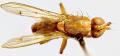
10mm long with very hairy eyes and a touch of green in the overall black colour. From thistles. I still have it if more information is needed. Thanks Peter peterbolson attached the following image: 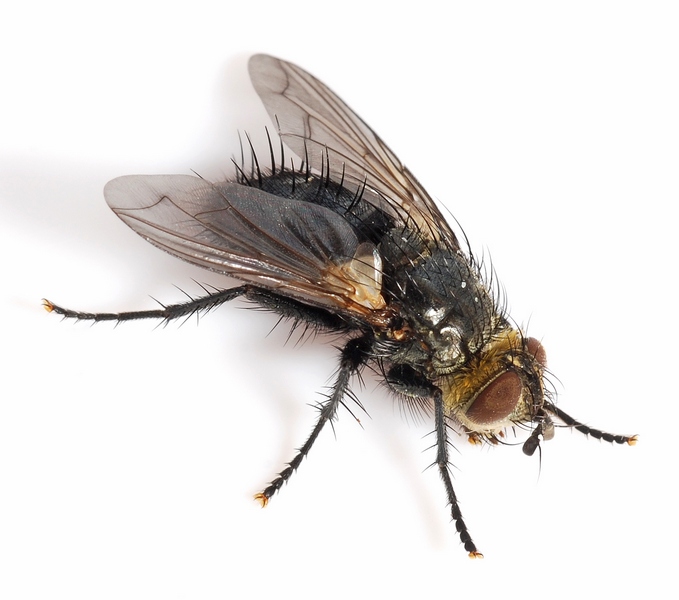 [106.61Kb] |
|
|
|
| peterbolson |
Posted on 30-07-2010 18:44
|
|
Member Location: Cumbria, UK Posts: 276 Joined: 07.06.10 |
another
peterbolson attached the following image: 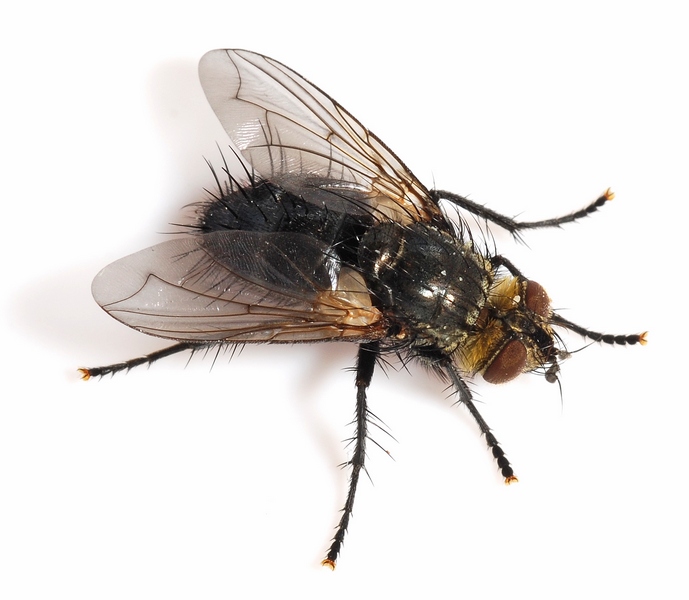 [111.58Kb] |
|
|
|
| ChrisR |
Posted on 30-07-2010 19:07
|
 Super Administrator Location: Reading, England Posts: 7706 Joined: 12.07.04 |
Looks like Eurithia anthophila to me - is tergite 5 heavily dusted or just at the edges (view from behind & above) 
Manager of the UK Species Inventory in the Angela Marmont Centre for UK Biodiversity at the Natural History Museum, London. |
 |
|
| peterbolson |
Posted on 30-07-2010 22:49
|
|
Member Location: Cumbria, UK Posts: 276 Joined: 07.06.10 |
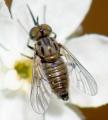
Thanks Chris I'm not sure whether this shows heavy dusting or not. Tergite 5 is cetainly much duller than the preceding tergites. Peter peterbolson attached the following image: 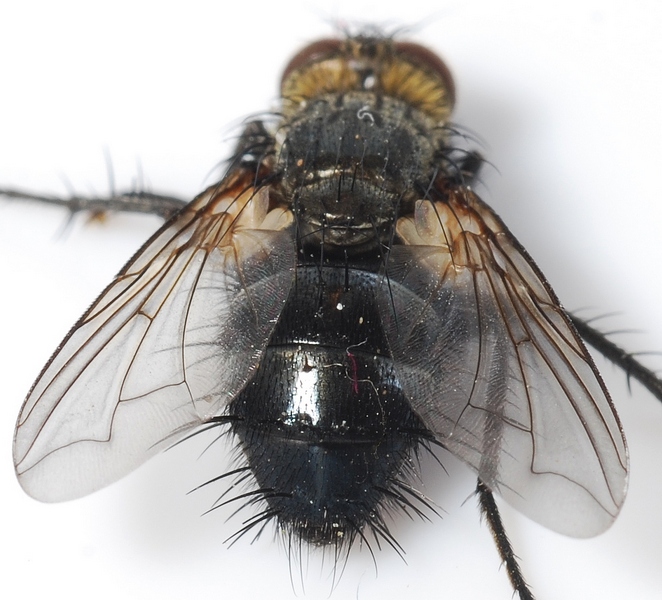 [182.17Kb] |
|
|
|
| ChrisR |
Posted on 30-07-2010 23:11
|
|
Super Administrator Location: Reading, England Posts: 7706 Joined: 12.07.04 |
Yeah, looks like Eurithia anthophila to me Protruding mouth-edge, densely hairy eyes, and black basicosta ... with almost undusted tergite-5 ... if it's a male of course then male genitalia are very distinctive
Manager of the UK Species Inventory in the Angela Marmont Centre for UK Biodiversity at the Natural History Museum, London. |
|
|
|
| peterbolson |
Posted on 30-07-2010 23:36
|
|
Member Location: Cumbria, UK Posts: 276 Joined: 07.06.10 |
Thanks Chris I had a look at the NBN Gateway map - not many records in the north of the UK. Is this just under reporting ? Peter |
|
|
|
| ChrisR |
Posted on 31-07-2010 08:06
|
|
Super Administrator Location: Reading, England Posts: 7706 Joined: 12.07.04 |
Probably ... we don't have the coverage in the north that we have in the south so your record(s) would be very much appreciated Though in general a lot of tachinids get a little bit rarer towards the north anyway Do you have a specimen to confirm the record?
Manager of the UK Species Inventory in the Angela Marmont Centre for UK Biodiversity at the Natural History Museum, London. |
|
|
|
| peterbolson |
Posted on 31-07-2010 09:17
|
|
Member Location: Cumbria, UK Posts: 276 Joined: 07.06.10 |
Hi Chris I do still have it. Is the actual specimen needed for confirmation or would the photos & my microscopic examination be sufficient ? I was intending to send all my fly records to Tullie House Museum as I have many not recorded on the NBN Gateway map for my area. Incidentally looking at Malcolm Storey's website I see that the hosts for Eurithia anthophila include White & Buff Ermine, Dot, Coxcomb prominent and Bright line brown eye, all of which I have recorded from my garden next door to the spot where the fly was found, which makes it all the more interesting. Regards Peter |
|
|
|
| ChrisR |
Posted on 31-07-2010 12:09
|
|
Super Administrator Location: Reading, England Posts: 7706 Joined: 12.07.04 |
Well, E.anthophila is the commonest Eurithia spp. but I have never found it all that easy/convincing from photos. However, if Theo says that the photos show enough detail then I'd take his word for it. Keying them isn't difficult when you have the knack but the features that we rely on are microscopic (tiny, black hairs behind the head) ... or male genitalia. You could download the Central European key from my site and try it out if you fancy a go The key is here: http://tachinidae...nloads.phpI'm not sure if Tullie House Museum send us or the NBN records ... the name doesn't ring a bell. But if you just put any tachinid records in an Excel spreadsheet then we'd be happy to take them
Manager of the UK Species Inventory in the Angela Marmont Centre for UK Biodiversity at the Natural History Museum, London. |
|
|
|
| peterbolson |
Posted on 01-08-2010 10:45
|
|
Member Location: Cumbria, UK Posts: 276 Joined: 07.06.10 |
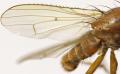
Hi Chris I'm not completely sure from the key what I should be looking at. Can you tell from these photos whether I'm in the right area ! Peter peterbolson attached the following image: 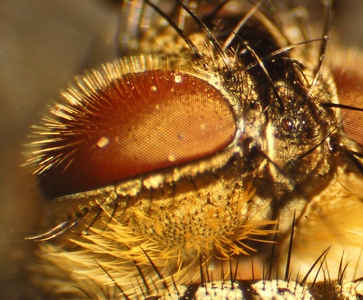 [102.94Kb] Edited by peterbolson on 01-08-2010 10:53 |
|
|
|
| peterbolson |
Posted on 01-08-2010 10:54
|
|
Member Location: Cumbria, UK Posts: 276 Joined: 07.06.10 |
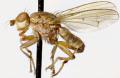
different focus
peterbolson attached the following image: 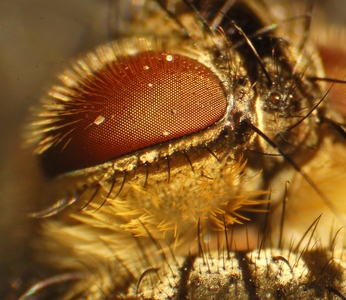 [91.38Kb] |
|
|
|
| ChrisR |
Posted on 01-08-2010 11:37
|
|
Super Administrator Location: Reading, England Posts: 7706 Joined: 12.07.04 |
Ahh, yeah, that is the problem ... I am never sure myself until I have the specimen infront of me and twiddle it about a bit under the microscope!  What you are looking for is very subtle and I don't' think I can see enough from the photos to make a decision. What you are looking for is very subtle and I don't' think I can see enough from the photos to make a decision. You can see the post-ocular bristles/hairs behind the eyes and then you're looking for another row of bristles ... and then you have to decide whether there are no scattered bristles between these or whether there are numerous scattered bristles between them. If I am correct you should just have the 2 rows and no scattered bristles
Manager of the UK Species Inventory in the Angela Marmont Centre for UK Biodiversity at the Natural History Museum, London. |
|
|
|
| peterbolson |
Posted on 01-08-2010 12:56
|
|
Member Location: Cumbria, UK Posts: 276 Joined: 07.06.10 |
Thanks again Chris. Now I know what I'm looking for I can clearly see the 2 rows, but nothing in between. can't get a decent photo though - I guess I need stacking software to get everything in focus. Peter |
|
|
|
| ChrisR |
Posted on 01-08-2010 13:01
|
|
Super Administrator Location: Reading, England Posts: 7706 Joined: 12.07.04 |
Well, it sounds good to me - Eurithia anthophila - the yellow hairs are also a fair indicator - other species tend to have whiter hairs but it isn't mentioned in keys  I went out yesterday and caught a few Eurithia sp. so will be eager to see which species they are I went out yesterday and caught a few Eurithia sp. so will be eager to see which species they are
Manager of the UK Species Inventory in the Angela Marmont Centre for UK Biodiversity at the Natural History Museum, London. |
|
|
|
| Jump to Forum: |