


Diptera.info :: Identification queries :: Diptera (adults)
 Is this Phasia obesa?
|
|
| jezlee |
Posted on 27-07-2010 10:34
|
 Member Location: West Midlands, UK Posts: 195 Joined: 12.06.06 |
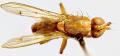
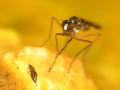
Hello all - I think this could be Phasia obesa - or does it just look like it? I'm not at all sure ... 
jezlee attached the following image: 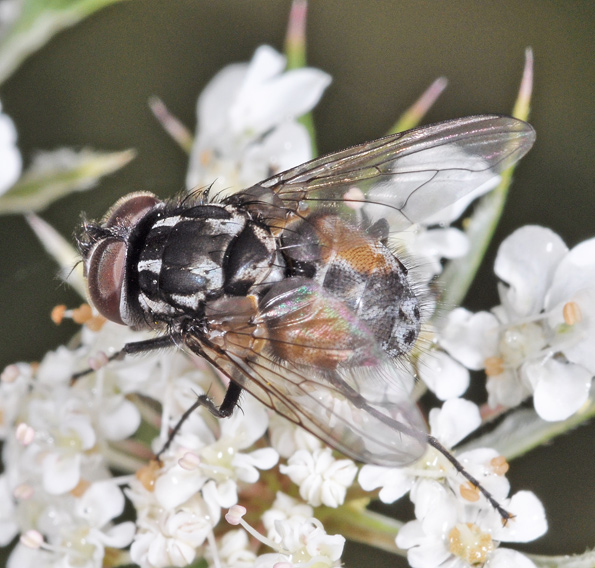 [147.66Kb] Edited by jezlee on 27-07-2010 10:35 Jez Lee www.uknature.co.uk |
 |
|
| jezlee |
Posted on 27-07-2010 10:35
|
|
Member Location: West Midlands, UK Posts: 195 Joined: 12.06.06 |
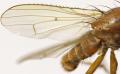
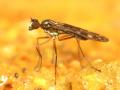
Another view ...
jezlee attached the following image: 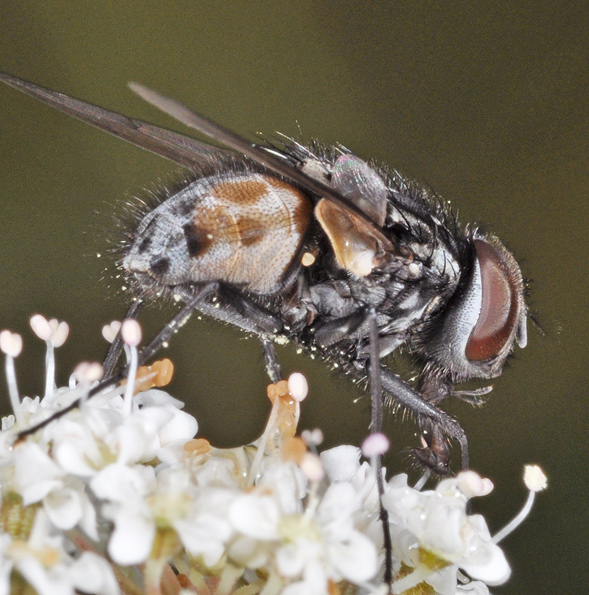 [168.63Kb] Jez Lee www.uknature.co.uk |
|
|
|
| jezlee |
Posted on 27-07-2010 10:36
|
|
Member Location: West Midlands, UK Posts: 195 Joined: 12.06.06 |
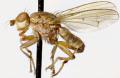
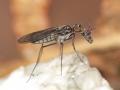
Face shot this time ...
jezlee attached the following image: 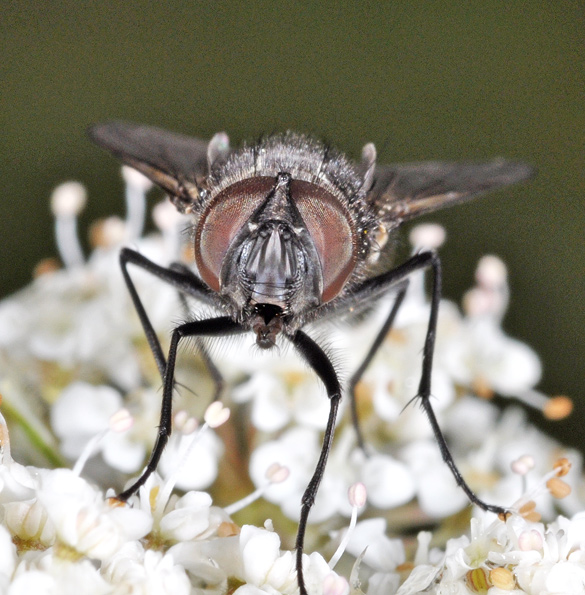 [158.7Kb] Edited by jezlee on 27-07-2010 10:36 Jez Lee www.uknature.co.uk |
|
|
|
| ChrisR |
Posted on 27-07-2010 10:47
|
 Super Administrator Location: Reading, England Posts: 7706 Joined: 12.07.04 |
I think this is Graphomya cf. maculata - a muscid  All Phasia spp. have a stalked/petiolate median vein. Edited by ChrisR on 27-07-2010 10:49 Manager of the UK Species Inventory in the Angela Marmont Centre for UK Biodiversity at the Natural History Museum, London. |
|
|
|
| jezlee |
Posted on 27-07-2010 12:00
|
|
Member Location: West Midlands, UK Posts: 195 Joined: 12.06.06 |
ChrisR wrote: I think this is Graphomya cf. maculata - a muscid All Phasia spp. have a stalked/petiolate median vein. BUGGER!  Thanks, Chris! Any chance you could explain further what you mean by "stalked/petiolate median vein"?
Jez Lee www.uknature.co.uk |
|
|
|
| ChrisR |
Posted on 27-07-2010 13:12
|
|
Super Administrator Location: Reading, England Posts: 7706 Joined: 12.07.04 |
Sure, if you look at your first photo you'll see that there are loads of radiating veins but the 2 we are interested in are the 2 longest veins that radiate out and diverge slightly - the top one of the pair is called r4+5 and the lower is called the median vein. The median vein bends up slightly and almost meets r4+5 near the wing tip - this is the commonest arrangement and is *not* petiolate. On all Phasia the median vein meets and joins the r4+5 vein well before the wing tip and r4+5 runs on to meet the wing-tip alone, in a stalk or 'petiole' ... this is petiolate If you have a look in the gallery you should find it's fairly easy to spot with experience - if you have trouble I can PhotoShop some pics for you
Edited by ChrisR on 27-07-2010 13:12 Manager of the UK Species Inventory in the Angela Marmont Centre for UK Biodiversity at the Natural History Museum, London. |
|
|
|
| jezlee |
Posted on 27-07-2010 13:51
|
|
Member Location: West Midlands, UK Posts: 195 Joined: 12.06.06 |
ChrisR wrote: If you have a look in the gallery you should find it's fairly easy to spot with experience - if you have trouble I can PhotoShop some pics for you If you could put one of each next to each other, that would be good – only if it's no trouble, though!
Jez Lee www.uknature.co.uk |
|
|
|
| Sundew |
Posted on 27-07-2010 14:14
|
 Member Location: Berlin and Baden-Württemberg, Germany Posts: 3939 Joined: 28.07.07 |
See http://www.dipter...ad_id=8574 in our "Overviews"! The upper picture shows wing venation of Phasia. |
|
|
|
| jezlee |
Posted on 27-07-2010 16:55
|
|
Member Location: West Midlands, UK Posts: 195 Joined: 12.06.06 |
Sundew wrote: See http://www.dipter...ad_id=8574 in our "Overviews"! The upper picture shows wing venation of Phasia. Thanks for the link, sundew - the trick now is for me to remember this next time! 
Jez Lee www.uknature.co.uk |
|
|
|
| Jump to Forum: |