


Diptera.info :: Identification queries :: Diptera (adults)
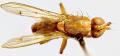
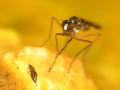
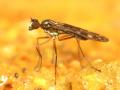
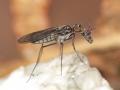
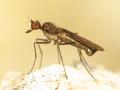
 Cylindromyia.
|
|
| Pietro |
Posted on 16-06-2010 13:43
|
|
Member Location: Alghero Sardinia Italy Posts: 973 Joined: 16.09.06 |
Alghero, Sardinia 02/06/2010
Pietro attached the following image:  [120.94Kb] Ciao Pietro |
|
|
|
| Pietro |
Posted on 16-06-2010 13:44
|
|
Member Location: Alghero Sardinia Italy Posts: 973 Joined: 16.09.06 |
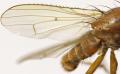
2
Pietro attached the following image:  [122.7Kb] Ciao Pietro |
|
|
|
| Pietro |
Posted on 16-06-2010 13:46
|
|
Member Location: Alghero Sardinia Italy Posts: 973 Joined: 16.09.06 |
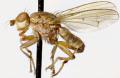
3
Pietro attached the following image:  [107.91Kb] Ciao Pietro |
|
|
|
| ChrisR |
Posted on 16-06-2010 17:24
|
 Super Administrator Location: Reading, England Posts: 7706 Joined: 12.07.04 |
Cylindromyia (female) ... not easy to identify from photos but I will jump in with an educated guess that it is C.auriceps  Based on the hind tibial pv, crossed apicals and strong median discals ... but these can be tricky so it is always best to catch plenty and have males and females to key through Based on the hind tibial pv, crossed apicals and strong median discals ... but these can be tricky so it is always best to catch plenty and have males and females to key through 
Manager of the UK Species Inventory in the Angela Marmont Centre for UK Biodiversity at the Natural History Museum, London. |
 |
|
| Pietro |
Posted on 16-06-2010 19:37
|
|
Member Location: Alghero Sardinia Italy Posts: 973 Joined: 16.09.06 |
Thanks Chris, auriceps reported for Sardinia, is it this the tergite 7 to form of plow? Ciao Pietro |
|
|
|
| ChrisR |
Posted on 16-06-2010 20:07
|
|
Super Administrator Location: Reading, England Posts: 7706 Joined: 12.07.04 |
I think so - it is just the terminalia bent under but both males and females have some kind of similar apparatus so it is usually easier to sex Cylindromyia from he size of the pulvilli C.auriceps is probably the commonest Cylindromyia spp. in the south ... in my experience anyway. Edited by ChrisR on 16-06-2010 20:08 Manager of the UK Species Inventory in the Angela Marmont Centre for UK Biodiversity at the Natural History Museum, London. |
|
|
|
| Pietro |
Posted on 16-06-2010 21:27
|
|
Member Location: Alghero Sardinia Italy Posts: 973 Joined: 16.09.06 |
Thanks again Chris.
Ciao Pietro |
|
|
|
| Zeegers |
Posted on 21-06-2010 09:46
|
|
Member Location: Soest, NL Posts: 19299 Joined: 21.07.04 |
I think Chris is right. If we could get a pic of the dusting pattern on the thorax, we can exclude scapularis (which is pretty rare) Theo |
|
|
|
| Pietro |
Posted on 21-06-2010 21:45
|
|
Member Location: Alghero Sardinia Italy Posts: 973 Joined: 16.09.06 |
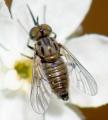
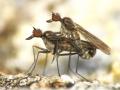
The thorax,
Pietro attached the following image:  [114.32Kb] Ciao Pietro |
|
|
|
| ChrisR |
Posted on 21-06-2010 22:28
|
|
Super Administrator Location: Reading, England Posts: 7706 Joined: 12.07.04 |
I'd make that C.auriceps - the key branches on the middle longitudinal stripes - for auriceps/arator they are distinct and seperate but for scapularis/hermonensis they are merged with the broader outer stripes
Manager of the UK Species Inventory in the Angela Marmont Centre for UK Biodiversity at the Natural History Museum, London. |
|
|
|
| Zeegers |
Posted on 22-06-2010 16:52
|
|
Member Location: Soest, NL Posts: 19299 Joined: 21.07.04 |
WEll spoken Theo |
|
|
|
| Jump to Forum: |