

Diptera.info :: Identification queries :: Diptera (adults)
 tachinid
|
|
| Petr Michael |
Posted on 08-04-2010 14:11
|
|
Member Location: Czech rep. Posts: 289 Joined: 03.10.09 |
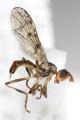
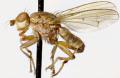
What species is this tachinid? The photo was taken in East Bohemia, CZ, 26 of March, 2010, deciduous forest edge. As for my opinion it is "something" among Phryxe, Phorocera, Ernestia Campylochaeta (or even Pales and Bothria). Thank you for correct identification! Petr Michael Petr Michael attached the following image: 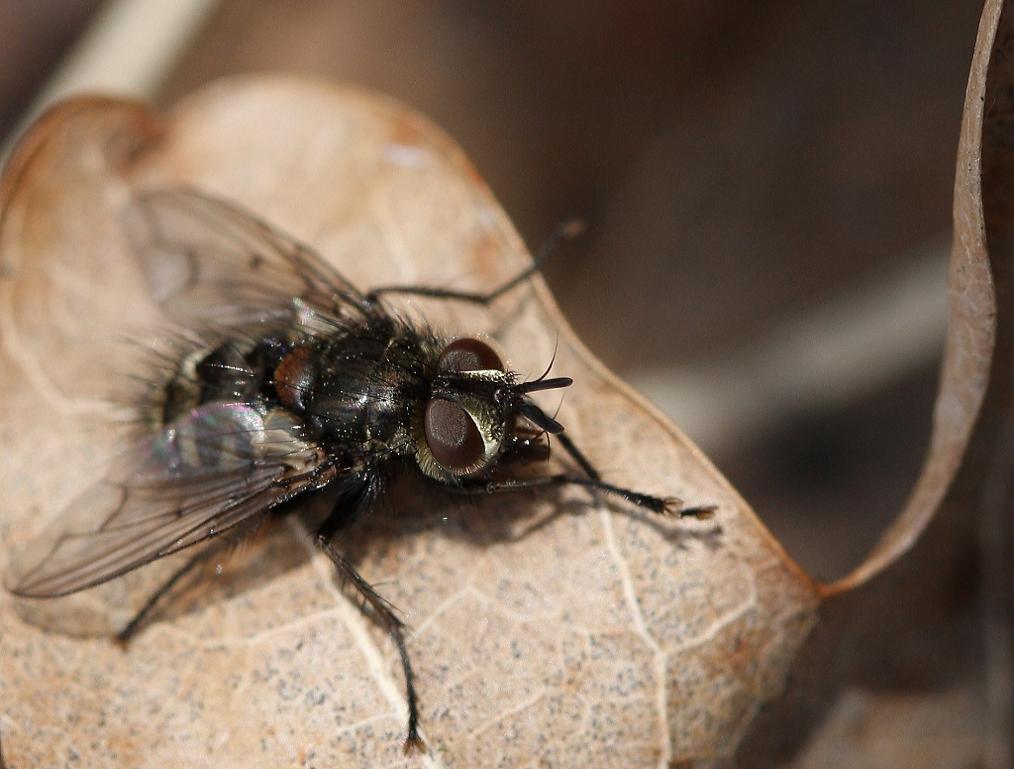 [85.22Kb] |
|
|
|
| ChrisR |
Posted on 09-04-2010 09:41
|
 Super Administrator Location: Reading, England Posts: 7706 Joined: 12.07.04 |
I can't really think what what is *is* but I am pretty sure that it isn't Phryxe, Phorocera, Ernestia, Campylochaeta or Pales. The time of year, shaded rm vein and densely hairy eyes would suggest Ernestia - but the mouth edge isn't protruding so I am not sure. Manager of the UK Species Inventory in the Angela Marmont Centre for UK Biodiversity at the Natural History Museum, London. |
 |
|
| Zeegers |
Posted on 09-04-2010 17:21
|
|
Member Location: Soest, NL Posts: 19363 Joined: 21.07.04 |
Can't be Ernestia with these antennae Might be Bothria subalpina, rather rare species so long shot' Theo |
|
|
|
| ChrisR |
Posted on 09-04-2010 18:59
|
|
Super Administrator Location: Reading, England Posts: 7706 Joined: 12.07.04 |
Hmm, the Bothria subalpina I have here have quite pale tibiae and the photo does seem to suggest this so it's possible... 
Manager of the UK Species Inventory in the Angela Marmont Centre for UK Biodiversity at the Natural History Museum, London. |
|
|
|
| Jaakko |
Posted on 11-04-2010 20:17
|
 Member Location: Joensuu, Finland Posts: 479 Joined: 04.08.08 |
Smidtia conspersa? B. subalpina is probably the most common spring tachinid here in the subalpine Finland... I wouldn't rule out this species either. I think only the subalpina females have fairly pale tibiae. |
|
|
|
| ChrisR |
Posted on 12-04-2010 09:14
|
|
Super Administrator Location: Reading, England Posts: 7706 Joined: 12.07.04 |
I wondered about Smidtia conspersa but mine here don't have a shaded r-m vein so I discounted it ...
Manager of the UK Species Inventory in the Angela Marmont Centre for UK Biodiversity at the Natural History Museum, London. |
|
|
|
| Jaakko |
Posted on 12-04-2010 13:53
|
|
Member Location: Joensuu, Finland Posts: 479 Joined: 04.08.08 |
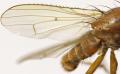
I can't really tell without seeing the face better... Somehow I remember seeing shaded r-m among S. conspersa.  |
|
|
|
| ChrisR |
Posted on 12-04-2010 14:19
|
|
Super Administrator Location: Reading, England Posts: 7706 Joined: 12.07.04 |
I know what you mean - when I first saw it I thought "Smidtia conspersa" but then when I checked my specimens I began to wonder. Trixa conspersa has a shaded r-m of course but it has tiny antennae, much smaller than this one. Strange ... but a good example of why tachinids should be collected 
Edited by ChrisR on 12-04-2010 14:20 Manager of the UK Species Inventory in the Angela Marmont Centre for UK Biodiversity at the Natural History Museum, London. |
|
|
|
| Petr Michael |
Posted on 12-04-2010 16:58
|
|
Member Location: Czech rep. Posts: 289 Joined: 03.10.09 |
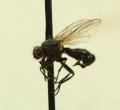
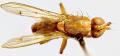
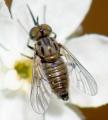
Thanks Chris, thanks Jaakko, I enclose two photos more. Petr Michael Petr Michael attached the following image: 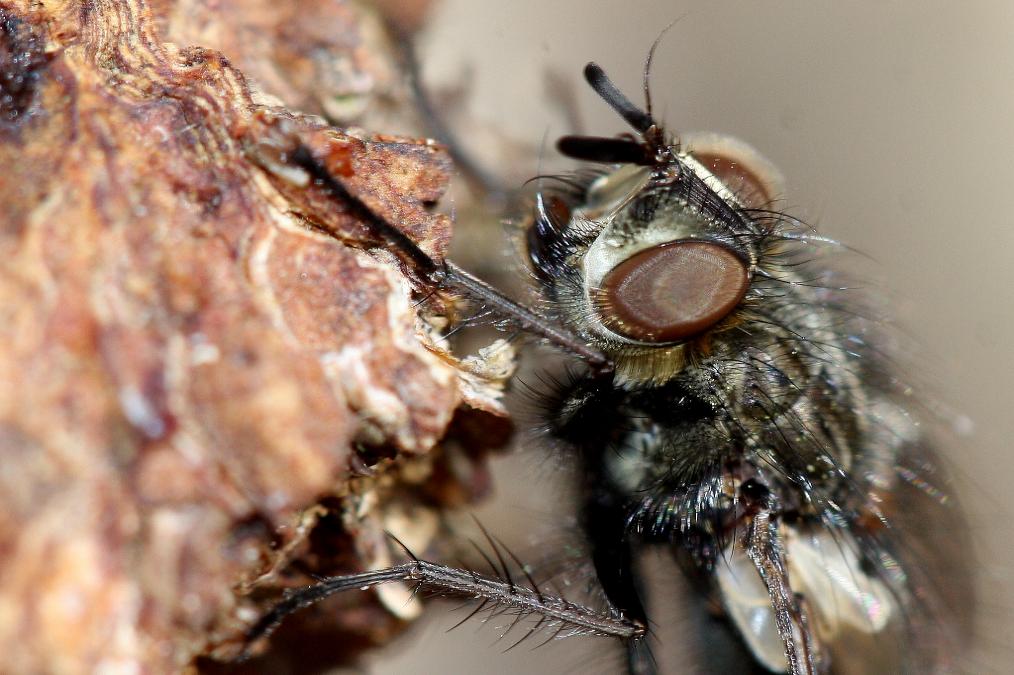 [108.37Kb] |
|
|
|
| Petr Michael |
Posted on 12-04-2010 17:02
|
|
Member Location: Czech rep. Posts: 289 Joined: 03.10.09 |
I have forgotten the second photo PM
Petr Michael attached the following image: 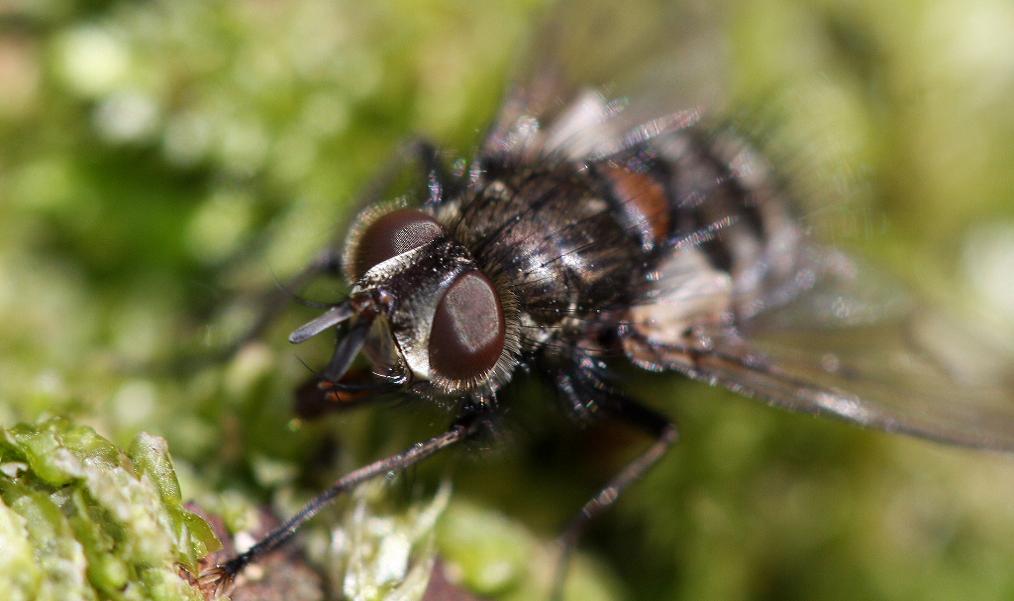 [70.44Kb] |
|
|
|
| Jaakko |
Posted on 13-04-2010 07:31
|
|
Member Location: Joensuu, Finland Posts: 479 Joined: 04.08.08 |
Does Chris agree that the bristles on the facials do not go all the way up? Not Bothria at least... |
|
|
|
| ChrisR |
Posted on 13-04-2010 09:48
|
|
Super Administrator Location: Reading, England Posts: 7706 Joined: 12.07.04 |
The facial ridges don't look bristly to me, I agree - some small bristles near the vibrissa but not enough higher up
Manager of the UK Species Inventory in the Angela Marmont Centre for UK Biodiversity at the Natural History Museum, London. |
|
|
|
| Zeegers |
Posted on 15-04-2010 16:18
|
|
Member Location: Soest, NL Posts: 19363 Joined: 21.07.04 |
This one should be very obvious, and yet.... Smidtia might be a idea, which has DC 3+3 . Can we tell ? Theo |
|
|
|
| Jump to Forum: |