

Diptera.info :: Identification queries :: Diptera (adults)
 Tachinidae
|
|
| cyprinoid |
Posted on 02-04-2010 15:10
|
 Member Location: Norway Posts: 1751 Joined: 19.06.09 |
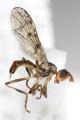
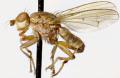
Norway, 02.04.10, 5-7mm maybe
cyprinoid attached the following image: 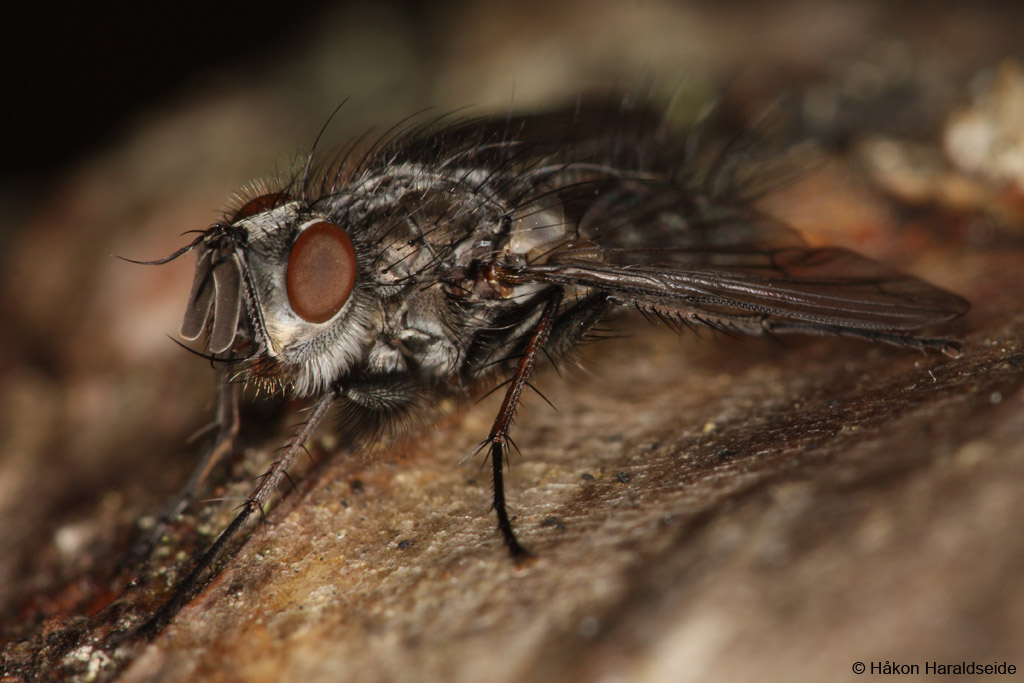 [158.74Kb] Hyperbolizer |
 |
|
| cyprinoid |
Posted on 02-04-2010 15:11
|
|
Member Location: Norway Posts: 1751 Joined: 19.06.09 |
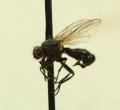
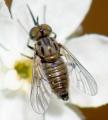
another
cyprinoid attached the following image: 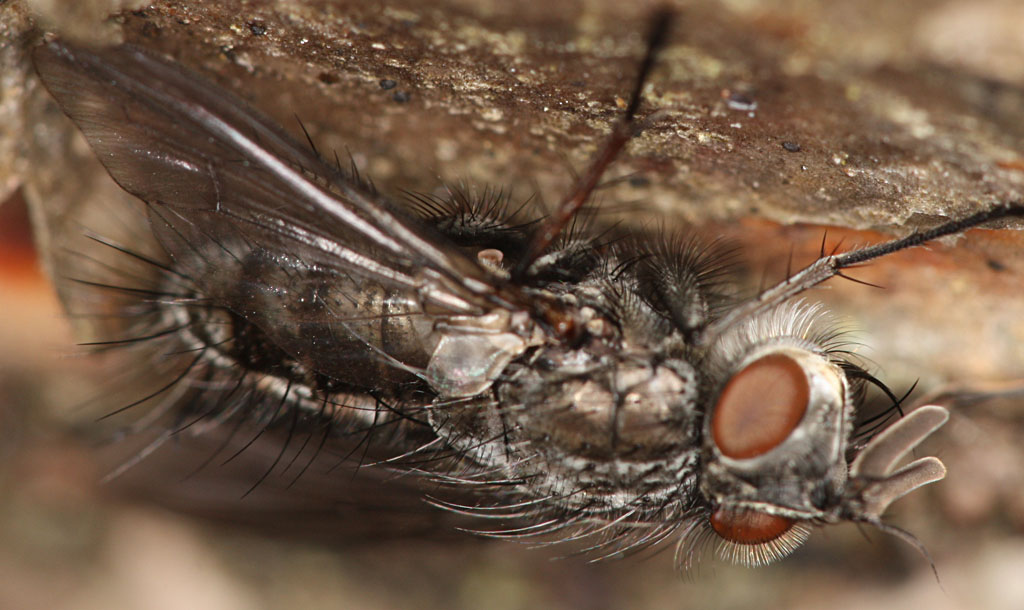 [143.96Kb] Hyperbolizer |
|
|
|
| cyprinoid |
Posted on 02-04-2010 15:11
|
|
Member Location: Norway Posts: 1751 Joined: 19.06.09 |
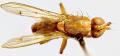
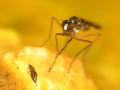
one more
cyprinoid attached the following image: 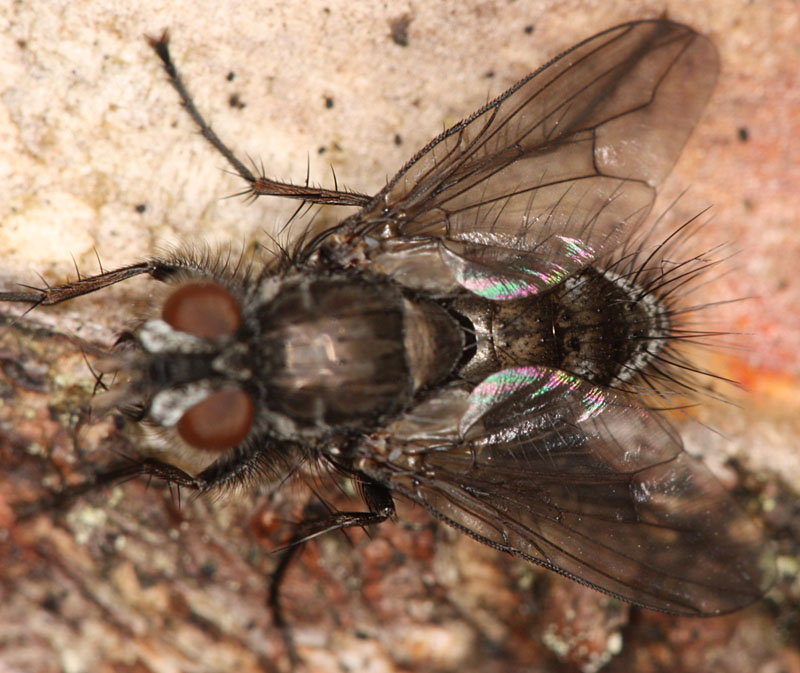 [144.16Kb] Hyperbolizer |
|
|
|
| ChrisR |
Posted on 02-04-2010 15:13
|
 Super Administrator Location: Reading, England Posts: 7706 Joined: 12.07.04 |
Lypha dubia would be most likely I think 
Manager of the UK Species Inventory in the Angela Marmont Centre for UK Biodiversity at the Natural History Museum, London. |
|
|
|
| cyprinoid |
Posted on 02-04-2010 15:15
|
|
Member Location: Norway Posts: 1751 Joined: 19.06.09 |
That was fast! Thank you. Hyperbolizer |
|
|
|
| Stephane Lebrun |
Posted on 02-04-2010 17:26
|
 Member Location: Le Havre, France Posts: 8248 Joined: 03.03.07 |
It looks more like Campylochaeta praecox to me.
Stephane. |
|
|
|
| cyprinoid |
Posted on 02-04-2010 18:10
|
|
Member Location: Norway Posts: 1751 Joined: 19.06.09 |
How do we tell them apart? It was spotted by my two year-old on a forest trail, I tried to collect it but all I had was two lens caps  . .
Hyperbolizer |
|
|
|
| Stephane Lebrun |
Posted on 02-04-2010 18:57
|
|
Member Location: Le Havre, France Posts: 8248 Joined: 03.03.07 |
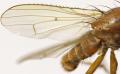
I'd say : Lypha dubia has a more deeply concave deflection of vein M, less paler tibiae, less large 3d antennal segment, and not these linear bristly parfacialiae. Furthermore, I think the ocellar setae are reclinate, as they have to be for C. praecox.
Stephane. |
|
|
|
| ChrisR |
Posted on 02-04-2010 19:14
|
|
Super Administrator Location: Reading, England Posts: 7706 Joined: 12.07.04 |
Well spotted Stephane - I'd go with something like C.praecox too, now that you have pointed those out
Manager of the UK Species Inventory in the Angela Marmont Centre for UK Biodiversity at the Natural History Museum, London. |
|
|
|
| cyprinoid |
Posted on 02-04-2010 20:04
|
|
Member Location: Norway Posts: 1751 Joined: 19.06.09 |
Thank you Stephane! I think there is a typo in the gallery. Campylochaeta should be Campylocheta here? http://diptera.in...to_id=3645 Edited by cyprinoid on 02-04-2010 21:21 Hyperbolizer |
|
|
|
| Zeegers |
Posted on 02-04-2010 20:28
|
|
Member Location: Soest, NL Posts: 19363 Joined: 21.07.04 |
I'm with Stephane for the reasons mentioned. Moreover, in most praecox (as here) the tibae are distinctly reddish, in Lypha always black. Praecox is even earlier in the year then Lypha Theo |
|
|
|
| Jump to Forum: |