

Diptera.info :: Identification queries :: Diptera (adults)
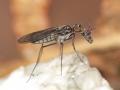
 Tachinid, Dexiinae? from Malaysia
|
|
| orionmystery |
Posted on 10-03-2010 13:00
|
|
Member Location: Kuala Lumpur, Malaysia Posts: 107 Joined: 03.07.09 |
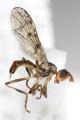
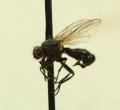
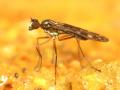
Hi, i shot this fly on a palm leaf by a stream in Kuala Lumpur, Malaysia. Slightly more than 10mm long i think.  Any help on ID appreciated  |
 |
|
| ChrisR |
Posted on 10-03-2010 14:34
|
 Super Administrator Location: Reading, England Posts: 7706 Joined: 12.07.04 |
Wow - looks like a 'hybrid' between the nearctic & neotropical genera Uramya (the long spike on the apex of the abdomen) & Cholomyia (long legs and general body colour) ... but I guess you have a similar alternative there, maybe Theo will know 
Edited by ChrisR on 10-03-2010 14:35 Manager of the UK Species Inventory in the Angela Marmont Centre for UK Biodiversity at the Natural History Museum, London. |
|
|
|
| Zeegers |
Posted on 10-03-2010 21:13
|
|
Member Location: Soest, NL Posts: 19363 Joined: 21.07.04 |
Well, I need to consult Crosskey. NO time the next days, keep tuned. Theo |
|
|
|
| Liekele Sijstermans |
Posted on 11-03-2010 13:30
|
|
Member Location: Geldermalsen Netherlands Posts: 305 Joined: 16.04.05 |
Consulting Crosskey, I think this might be Urodexia penicillum male (Blondeliini) or a related undescribed species. But without a specimen we can not check dorsocentral and propleural bristles and so on. Furthermore our knowledge on the oriental fauna has not yet been completed. Liekele |
|
|
|
| jorgemotalmeida |
Posted on 11-03-2010 21:08
|
 Member Location: Viseu - PORTUGAL Posts: 9296 Joined: 05.06.06 |
This is a must for the gallery. |
|
|
|
| orionmystery |
Posted on 12-03-2010 15:52
|
|
Member Location: Kuala Lumpur, Malaysia Posts: 107 Joined: 03.07.09 |
Thanks for the help everyone. Yes, i'll upload it to the gallery. |
|
|
|
| Liekele Sijstermans |
Posted on 23-03-2010 11:53
|
|
Member Location: Geldermalsen Netherlands Posts: 305 Joined: 16.04.05 |
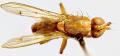
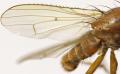
Meanwhile I had the opportunity to compare the picture with specimens of Urodexia. It shows that this specimen can not belong to Urodexia because Urodexia has discal bristles on the abdomen and dorsal bristles on the fifth abdominal tergite. Most specimens of Urodexia penicillum were yellowish. In the collection of the Zoological Museum of Amsterdam I have found several genera with the particular shape of the fifth tergite. I was mislead by the key of Crosskey because he only mentioned this feature in his key with Urodexia. The picture is not detailed enough to give an identification using the key, because we cannot see all bristles on legs, propleurons etc. So we have to try id on circumstantial evidence. When comparing the picture with specimens in the collection, I found it best matching with Uromedina because of the lack of discal bristles on the abdominal tergites and the dorsal bristles, length of legs etc. 4 species are known of Uromedina: atrata, caudata, eumorphophaga and rufipes. I do not have the latest publication with the revision of this genus by Shima. I have seen specimens of atrata being different. The holotype of caudata seems very similar but nearly completely black. Some other specimens were more similar in coloration and also id by Shima as caudata. Rufipes is very unlikely because the fly has black legs. The original description of U. eumorphophaga Baranov matches also the fly on the picture. Therefore this fly has to be Uromedina caudata or U. eumorphophaga. As soon as I have consulted the revision of Shima, I will give an update on this trail. To be continued. Please update the name in the gallery. Liekele |
|
|
|
| ChrisR |
Posted on 23-03-2010 12:05
|
|
Super Administrator Location: Reading, England Posts: 7706 Joined: 12.07.04 |
Nice detective work Liekele - photo gallery updated
Manager of the UK Species Inventory in the Angela Marmont Centre for UK Biodiversity at the Natural History Museum, London. |
|
|
|
| Liekele Sijstermans |
Posted on 24-03-2010 16:04
|
|
Member Location: Geldermalsen Netherlands Posts: 305 Joined: 16.04.05 |
The revision of Shima does not give the ultimate answer. The only species within Uromedina with the tail is U. caudata. But the specimen on the picture and some specimens (in ZMA with identification label by Shima) do not match the colouring as described in the revision. Therefore I think we have to call it Uromedina cf. caudata. Liekele |
|
|
|
| ChrisR |
Posted on 24-03-2010 16:37
|
|
Super Administrator Location: Reading, England Posts: 7706 Joined: 12.07.04 |
Gallery photo updated - let me know if you disagree with the summary I have tried to post there
Manager of the UK Species Inventory in the Angela Marmont Centre for UK Biodiversity at the Natural History Museum, London. |
|
|
|
| Jump to Forum: |