


Diptera.info :: Identification queries :: Diptera (adults)
 Trichoceridae - help ID
|
|
| Isidro |
Posted on 02-07-2009 13:17
|
|
Member Location: Zaragoza, Spain Posts: 2101 Joined: 26.04.07 |
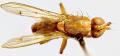
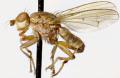
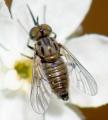
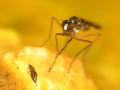
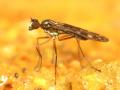
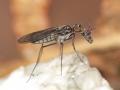
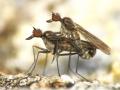
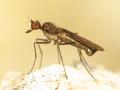
Yesterday. Bujaruelo valley, Pyrenees, NE Spain, alpine-atlantic climate, 1200 meters. The habitat is a mountain river of clear and fresh waters, with many big round rocks and no submerged plants. Two features are noticeable: the mating position is very strange, I always have seen Tipulidae mating with male and female in opposite directions but this pair is always with male and female looking at the same direction and when disturbed and flied to another site continue having the same position. And the other feature is the strange sexual dimorphism in antennae. Male have very long antennae, although with very few segments. And antennae of female are very short. P.D. I have a more dorsal view if it help.   Could it be identified? Thanks Isidro Edited by Isidro on 25-08-2010 12:40 |
|
|
|
| Isidro |
Posted on 03-07-2009 14:10
|
|
Member Location: Zaragoza, Spain Posts: 2101 Joined: 26.04.07 |
Heeeeeeey! |
|
|
|
| jorgemotalmeida |
Posted on 03-07-2009 14:33
|
 Member Location: Viseu - PORTUGAL Posts: 9296 Joined: 05.06.06 |
dorsal view of the wing... |
 |
|
| Isidro |
Posted on 04-07-2009 14:58
|
|
Member Location: Zaragoza, Spain Posts: 2101 Joined: 26.04.07 |
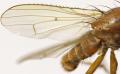
Obrigado Jorge, here is the best shot that I took of the wing venation.  |
|
|
|
| Isidro |
Posted on 04-07-2010 09:29
|
|
Member Location: Zaragoza, Spain Posts: 2101 Joined: 26.04.07 |
Even the family!!! is impossible?? |
|
|
|
| Chen Young |
Posted on 14-07-2010 23:15
|
 Member Location: Pittsburgh, PENNSYLVANIA USA Posts: 169 Joined: 25.08.05 |
The antennae of the male reminds me of family Trichoceridae. The wing venation of the male in this image is not too clear but if you could locate the Rs and then count the main logitudinal veins countclock wise you will notice that A2 is missing, thus led me to guess it is Trichoceridae. As for the position of mating orientation, many crane flies in the family Limoniidae will perform this way with both sexes facing the same direction; some with abdomen connected as shown in your image, some the male has its abdomen positioned below the female abdomen first then bend upward to connect with the female from above. The large tipulid crane flies when they facing opposited directions during mating, the males have to twist their abdomen in order to mate with the females. |
|
|
|
| Isidro |
Posted on 25-08-2010 12:38
|
|
Member Location: Zaragoza, Spain Posts: 2101 Joined: 26.04.07 |
Wow! Chen Young is here! I'll send you some unidentified Tipulidae soon! Thanks for reply. It will rest as Trichoceridae. |
|
|
|
| Jump to Forum: |