


Diptera.info :: Identification queries :: Diptera (adults)
Who is here? 1 guest(s)
 Family please ??
|
|
| Gordon |
Posted on 15-01-2009 13:04
|
 Member Location: Lake Kerkini, Greece Posts: 1101 Joined: 02.01.08 |
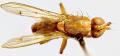
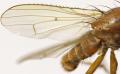
Another Wetland Kerkini fly, from 750 m up the Kerkini mountains, dry sunny mixed deciduous forest. Malaise trap 14 to 21 July 2008. The specimen is damaged and may never be determined, antennae and head britles gone, but the wing venation seems distinctive to me. About 2mm.
Gordon attached the following image: 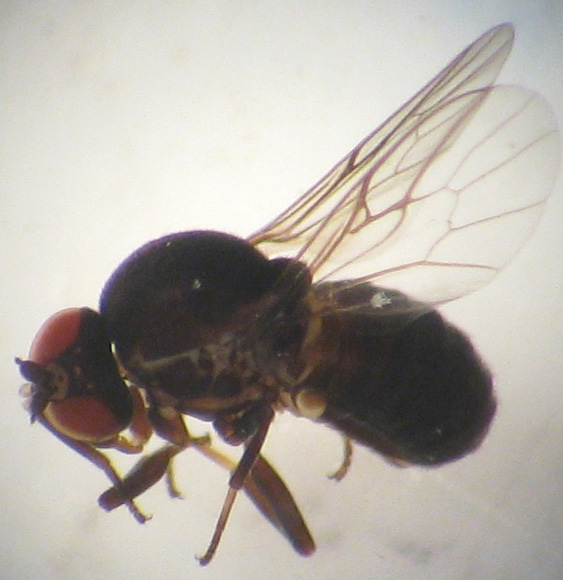 [107.77Kb] |
 |
|
| Paul Beuk |
Posted on 15-01-2009 13:11
|
 Super Administrator Location: Netherlands Posts: 19403 Joined: 11.05.04 |
Mythicomyiidae (reminds me of Glabellula).
Paul - - - - Paul Beuk on https://diptera.info |
|
|
|
| Gordon |
Posted on 15-01-2009 16:46
|
|
Member Location: Lake Kerkini, Greece Posts: 1101 Joined: 02.01.08 |
Thanks Paul, It's another one for DG then, I guess I will put it in with the other Myths, but the rest all a bit different. Gordon |
|
|
|
| jorgemotalmeida |
Posted on 17-01-2009 13:44
|
 Member Location: Viseu - PORTUGAL Posts: 9296 Joined: 05.06.06 |
Your Mythico is a Glabellula. First flagellomere globose, apex of trinagular cell r1 truncate, not acute. Also the occiput (behind the head) seems normal not protruding posteriorly. Take a lateral shot to the proboscis. Is there any Formica fusca nest near the malaise trap? Probably is a G. cf. arctica. Edited by jorgemotalmeida on 17-01-2009 13:45 |
|
|
|
| jorgemotalmeida |
Posted on 17-01-2009 13:45
|
|
Member Location: Viseu - PORTUGAL Posts: 9296 Joined: 05.06.06 |
Also I would like to see one specimen.  |
|
|
|
| David Gibbs |
Posted on 01-04-2009 12:18
|
 Member Location: Bristol, UK Posts: 833 Joined: 17.06.06 |
Glabellula meridionalis François, 1955 |
|
|
|
| Paul Beuk |
Posted on 04-06-2009 15:10
|
|
Super Administrator Location: Netherlands Posts: 19403 Joined: 11.05.04 |
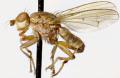
Another one from a sample of one week later (Neo Petritsi: Stratiom Site 2; yellow pan trap).
Paul - - - - Paul Beuk on https://diptera.info |
|
|
|
| pwalter |
Posted on 04-06-2009 15:31
|
 Member Location: Miskolc, Hungary Posts: 3555 Joined: 06.11.08 |
Is it enough to just put out a yellow pan with water and some soap to make that trap? Are there any tricks? |
|
|
|
| Gordon |
Posted on 18-06-2009 14:24
|
|
Member Location: Lake Kerkini, Greece Posts: 1101 Joined: 02.01.08 |
Hi Pwalter, Yes it is very simple, you buy a load of cheap plastic plates, yellow is best, but white is also good and other colours can add to the fun. I use all sorts of things from unbreakable soup plates with chicken wire wrapped around them to keep non-invertebrates out to old yoghurt pots and magerine tubs. I put about a heaped teaspoon of soap to five litres of water and take two of these with me for a set of traps (50+) (or for longer exposure yellow antifreeze). Find a nice place and put the traps out every ten metres or so in a trap line early in the morning, taking into consideration things like sun movement through the day and your target species, near flowers for bees etc, near dead wood, fallen trees etc for Bupestrids and Cerambycids, then collect before dusk, or next day depending on temperature and depth of plate. One week is easy with the bowls and antifreeze. I have a kitchen sieve with a layer of fine mesh material in it. I simply tip the traps through the mesh and let the water go, after all the traps are collected I wash the catch out in a bowl with 70% ethanol and transfer to a pot for storage. Of course there are problems, at least here in Greece I get shepherds and others emptying the traps for me, goats, cattle sheep and buffaloes kicking them, standing in them etc. One reason for using either the best unbreakable or the cheapest, dog feeding bowls for instance are expensive and don't do well against a grazing buffaloe. Up the mountain wood ants can fill a trap in a few hours which is quite annoying. You can catch a lot of stuff. All the best, Gordon |
|
|
|
| pwalter |
Posted on 18-06-2009 18:13
|
|
Member Location: Miskolc, Hungary Posts: 3555 Joined: 06.11.08 |
Thank You very uch! Right today I deployed a trap - only one little - by a small brook! Hope I get sg interesting  |
|
|
|
| Jump to Forum: |