


Diptera.info :: Identification queries :: Diptera (adults)
 Tachina fera or magnicornis?
|
|
| Cor Zonneveld |
Posted on 15-12-2008 18:47
|
 Member Location: Amstelveen, the Netherlands Posts: 840 Joined: 14.10.06 |
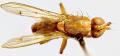
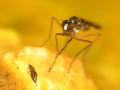
At a Dutch forum we had a discussion about this specimen. The head seems to be very wide, the tarsus of leg 1 brown, both suggestive of magnicornis. But...is it a male or female (how do you see this?)? Is a definitive ID possible?
Cor Zonneveld attached the following image: 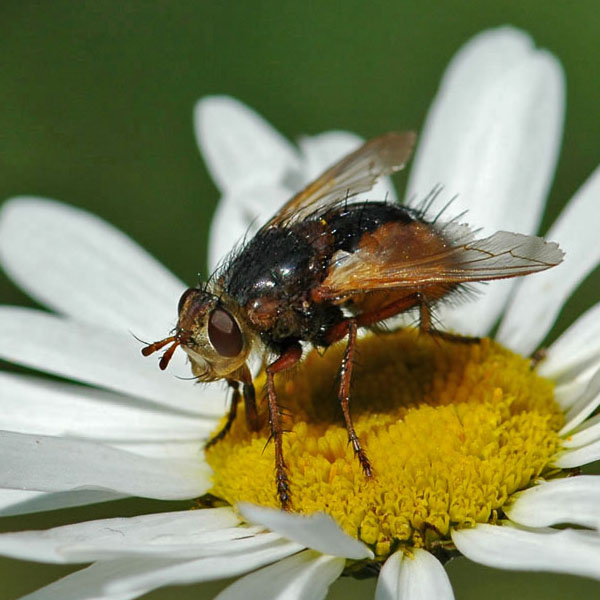 [90.87Kb] Edited by Cor Zonneveld on 15-12-2008 20:58 Thanks for your attention Cor Zonneveld |
 |
|
| Cor Zonneveld |
Posted on 15-12-2008 18:49
|
|
Member Location: Amstelveen, the Netherlands Posts: 840 Joined: 14.10.06 |
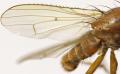
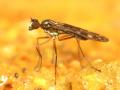
For comparison: this one has a smaller head, and more yellow tarsus of leg 1. Is this a sure T. fera?
Cor Zonneveld attached the following image: 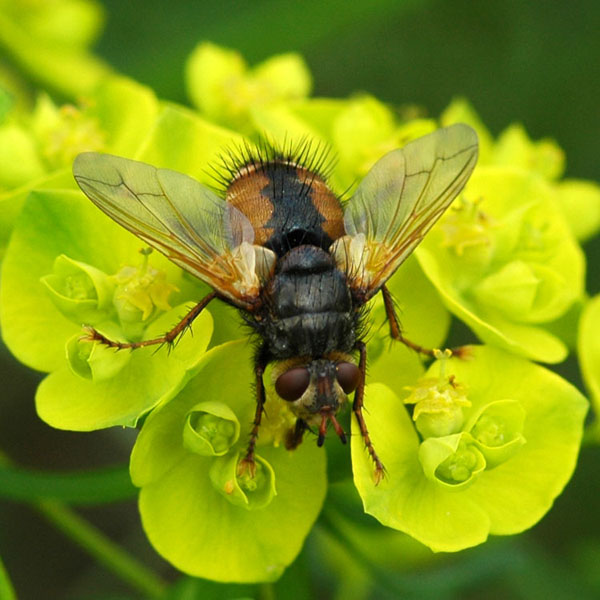 [95.52Kb] Thanks for your attention Cor Zonneveld |
|
|
|
| Cor Zonneveld |
Posted on 15-12-2008 19:10
|
|
Member Location: Amstelveen, the Netherlands Posts: 840 Joined: 14.10.06 |
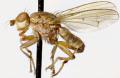
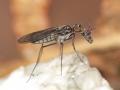
Here another picture of the first specimen, showing abdomen coloration (I know, not decisive...)
Cor Zonneveld attached the following image: 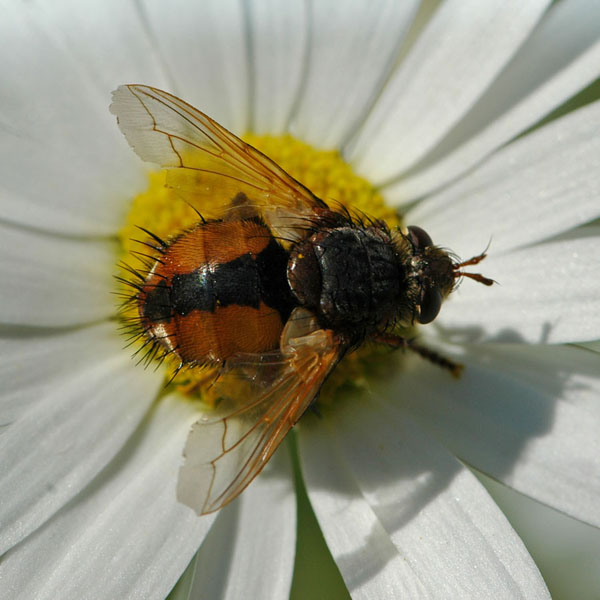 [80.08Kb] Thanks for your attention Cor Zonneveld |
|
|
|
| Cor Zonneveld |
Posted on 15-12-2008 19:18
|
|
Member Location: Amstelveen, the Netherlands Posts: 840 Joined: 14.10.06 |
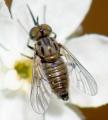
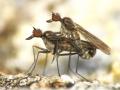
and a frontal view, for head width
Cor Zonneveld attached the following image: 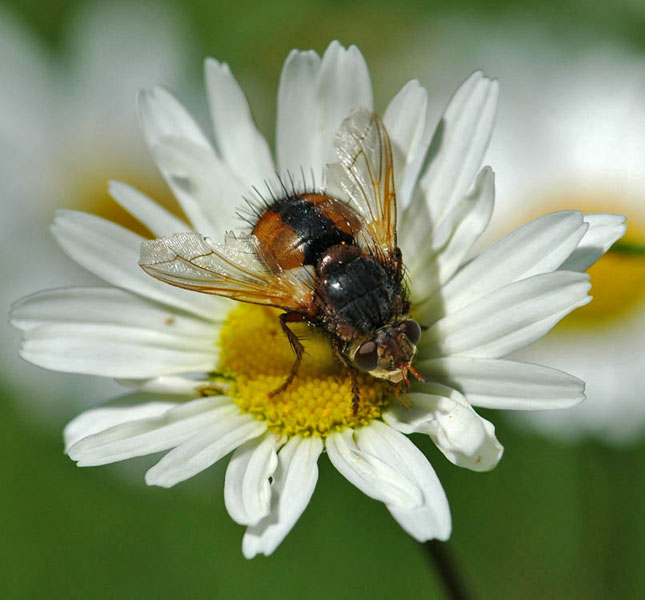 [82.73Kb] Thanks for your attention Cor Zonneveld |
|
|
|
| javanerkelens |
Posted on 15-12-2008 20:29
|
 Member Location: Netherlands Posts: 2962 Joined: 18.10.07 |
Dear Cor, Indeed you placed this thread already on Waarneming.nl, and I thougt it was a T.magnicornis, and I hope it is, but I was curious , when there is a outer orbital seta present (and I think I see one on your photo) is it always a male T magnicornis ....or can it be also a female..? Or are both female's T.fera + T.magnicornis whitout outer orbital setae...? So when there is a outer orbital, you always can say it is a male T.magnicornis....???? Joke 
Edited by javanerkelens on 15-12-2008 20:30 |
|
|
|
| Zeegers |
Posted on 15-12-2008 21:15
|
|
Member Location: Soest, NL Posts: 19299 Joined: 21.07.04 |
Most females in Tachinidae have 2 pairs of proclinate orbitals seae present (there are exceptions of course), most males don't. So the second pic is clearly a male T. fera. The other ones are females and seem to be T. fera as well. However, females fera and magnicornis can be incredible similar and sometimes hardly impossible to separate. Theo |
|
|
|
| javanerkelens |
Posted on 15-12-2008 21:36
|
|
Member Location: Netherlands Posts: 2962 Joined: 18.10.07 |
most males don't. Hmm... In a discription of Tschorsnig en Herting: Males: anterior claws clearly shorter than the last 2 tarsal segments combined;frons with 1 or 2 outer orbital bristles......then T.magnicornis. Very confusing...for a amateur..  Joke  |
|
|
|
| Cor Zonneveld |
Posted on 15-12-2008 21:43
|
|
Member Location: Amstelveen, the Netherlands Posts: 840 Joined: 14.10.06 |
OK, now I start to doubt about all my fera/magnicornis... What about this, a 'sure' magnicornis?? And thanks for your patience! Cor Zonneveld attached the following image: 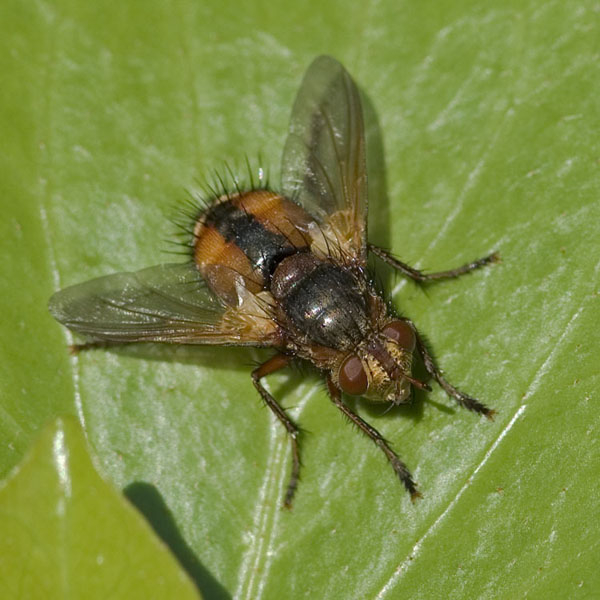 [94.39Kb] Thanks for your attention Cor Zonneveld |
|
|
|
| Zeegers |
Posted on 16-12-2008 21:56
|
|
Member Location: Soest, NL Posts: 19299 Joined: 21.07.04 |
To Joke: that's why I said 'most', I don't see the problem. The male genitalia of Tachina are very large, so you can tell with you eyes closed if it is a male. And if it isn't, it is female. To the last picture: IDing females Tachina from picture is never sure. But this really looks like magnicornis. Theo |
|
|
|
| javanerkelens |
Posted on 16-12-2008 23:03
|
|
Member Location: Netherlands Posts: 2962 Joined: 18.10.07 |
To Joke: that's why I said 'most', I don't see the problem. The male genitalia of Tachina are very large, so you can tell with you eyes closed if it is a male. And if it isn't, it is female. Next time, I wil close my eyes for a short time....  Joke |
|
|
|
| Jump to Forum: |