


Diptera.info :: Identification queries :: Diptera (adults)
Who is here? 1 guest(s)
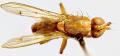
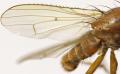
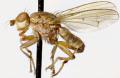
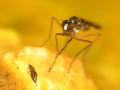
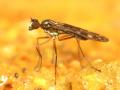
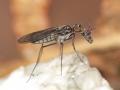
 Atylotus quadrifarius or Atylotus flavoguttatus ???
|
|
| valter |
Posted on 14-08-2008 22:14
|
 Member Location: Faro, Portugal Posts: 1998 Joined: 09.07.07 |
Location: Algarve, Portugal Date Photo Taken: August 2008 Size: 1,2 cm x 0,4 cm 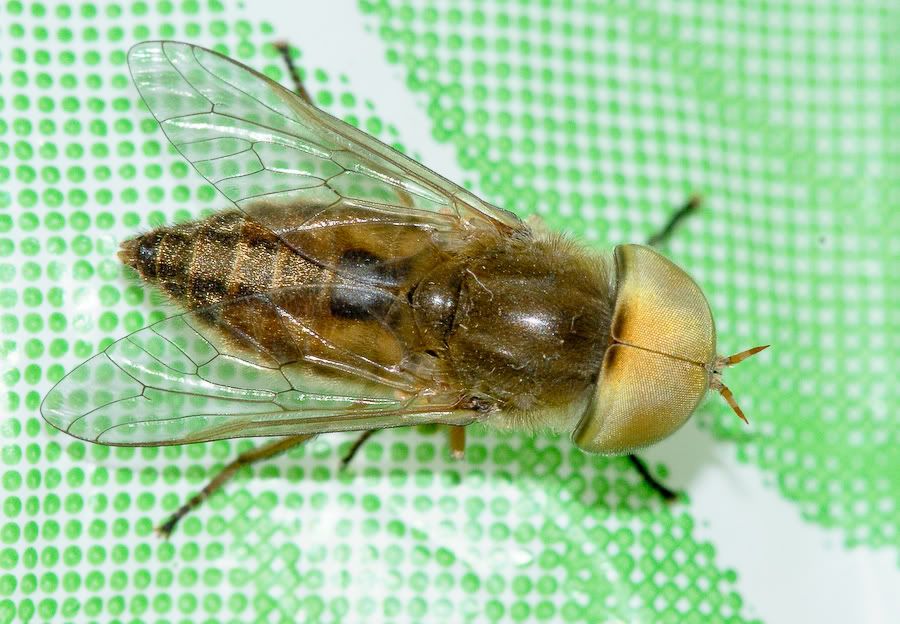
Edited by valter on 17-08-2008 14:02 |
 |
|
| jorgemotalmeida |
Posted on 14-08-2008 22:16
|
 Member Location: Viseu - PORTUGAL Posts: 9296 Joined: 05.06.06 |
Atylotus sp. |
|
|
|
| Zeegers |
Posted on 15-08-2008 08:50
|
|
Member Location: Soest, NL Posts: 19307 Joined: 21.07.04 |
Can't tell more from this pic. Did you collect it ? Theo |
|
|
|
| jorgemotalmeida |
Posted on 15-08-2008 09:23
|
|
Member Location: Viseu - PORTUGAL Posts: 9296 Joined: 05.06.06 |
dear Zeegers, he doesn't collect anything. |
|
|
|
| valter |
Posted on 15-08-2008 10:34
|
|
Member Location: Faro, Portugal Posts: 1998 Joined: 09.07.07 |
Zeegers wrote: Can't tell more from this pic. Did you collect it ? Theo No... But I have more Photos! |
|
|
|
| Zeegers |
Posted on 15-08-2008 12:34
|
|
Member Location: Soest, NL Posts: 19307 Joined: 21.07.04 |
please post. lateral and frontal would be great Theo |
|
|
|
| valter |
Posted on 15-08-2008 18:35
|
|
Member Location: Faro, Portugal Posts: 1998 Joined: 09.07.07 |
Photos are not Good...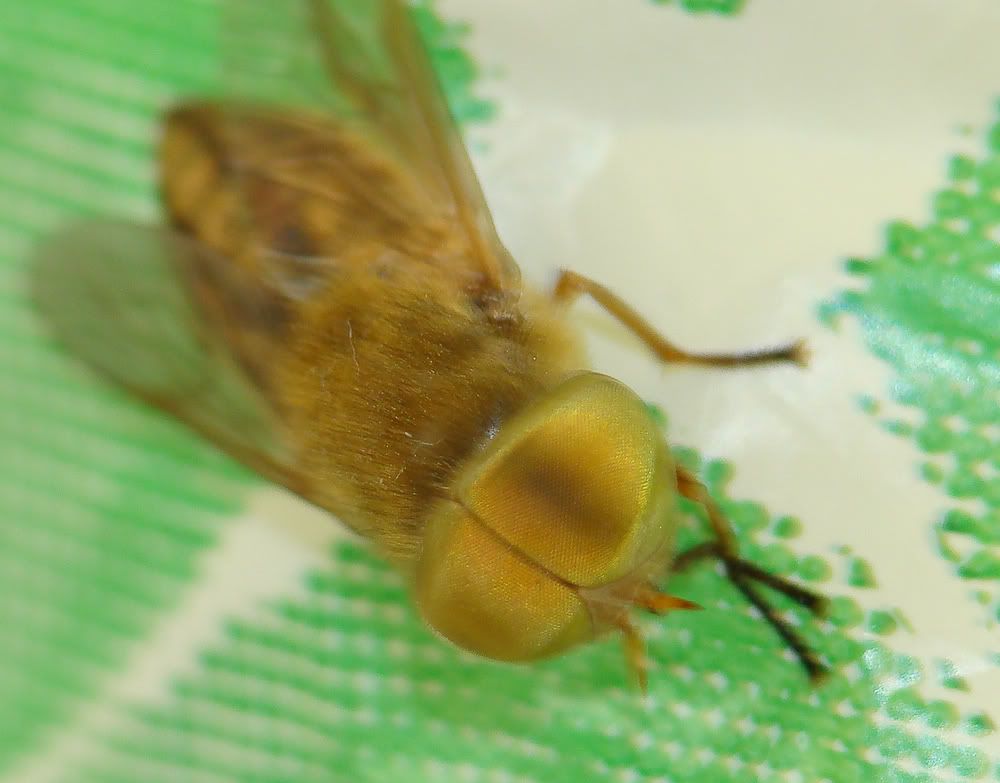 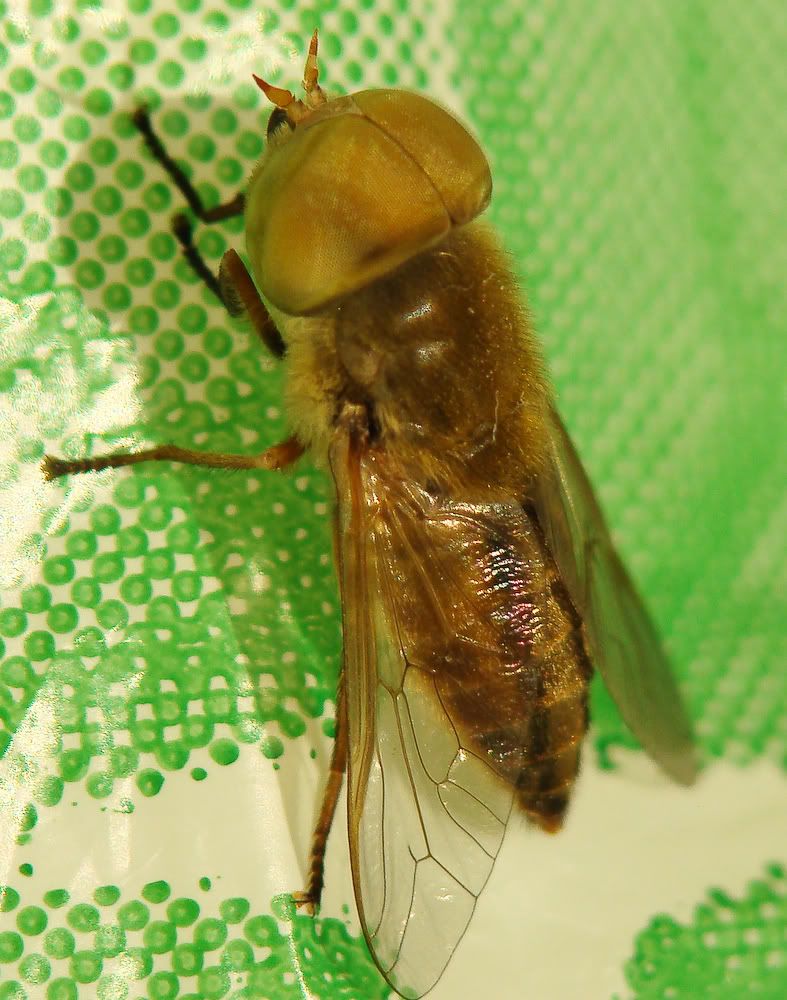 |
|
|
|
| Zeegers |
Posted on 15-08-2008 20:01
|
|
Member Location: Soest, NL Posts: 19307 Joined: 21.07.04 |
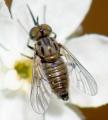
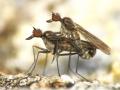
the last pic is good, you can see the 2 black vittae on tergites I was looling for. So my suggestion is male A. quadrifarius (latistriatus has similar pattern, but not this oversized head). Theo |
|
|
|
| valter |
Posted on 17-08-2008 14:08
|
|
Member Location: Faro, Portugal Posts: 1998 Joined: 09.07.07 |
Atylotus flavoguttatus ??? Wolfgang Schacht said that the specimen is not latistriatus nor quadrifarius... but Atylotus flavoguttatus: "Though I have only one male of Atylotus flavoguttatus (Szilady, 1915) of bad quality, in comarison with all other iberian Atylotus species, your specimen fits to it (also compared with females) in all aspects: The only species with black tip of antennae (comp. w. females); eyes largest with the broadest hind margin of small facettes and the smallest and very slender ocellar tubercle; pattern of white toment on thorax most conspicuous; humeral callus at least halfway blackish; legs largely black with entirely black femora, except knees; ground colour of abdomen black with the first 3 tergites with brown sides; lateral lines of light spots on abdomen from tergit 1 - 6 (or 7) composed of white toment, the first 3 underlayed by the brown sides, the rear ones underlayed by the black ground colour (in females these spots are very distinct); the central stipe of white hairs among the black ones may vary, it is present in my male on tergit 1-2, because the rest is rubbed and it is varyable present in the females, this depends upon the dominance of black or white hairs in this area. Even the black spots on hind margin of eyes are present in my dry male. All other related iberian Atylotus have much more yellow abdomen and legs, and no one of their males has as large eyes, though latistiatus is near to it, and no one has abdominal side spots composed of white toment, but only by white hairs." --> What's your opinion? Thanks. |
|
|
|
| Zeegers |
Posted on 17-08-2008 16:30
|
|
Member Location: Soest, NL Posts: 19307 Joined: 21.07.04 |
Well, it could be, I was not definitive in my ID, but I'm not convinced. A. flavoguutatus has long hairs on the occiput: I don't see them. I know the picture is out of focus, so I'm not sure they are not there, but I need to see them before IDing flavoguttatus. I don't see a black tip to the antenna, so I don't understand. The colouration of legs is hopelessly variable in Atylotus (have a look at large series latistriatus). Finally, quadrifarius has a large head, cf. Chvala et al. (Wolfgang has beautiful males from Cota Donana in his collection ). Chvala et al. give for flavoguttatus 'Abdomen with a distinct, blackish meadian stripe occuping one-third of the tergite' This does not agree with these pictures. So.... ?? Theo |
|
|
|
| Zeegers |
Posted on 17-08-2008 17:21
|
|
Member Location: Soest, NL Posts: 19307 Joined: 21.07.04 |
The third antennal segment is supposed to be very elongated in male flavoguttatus (cf. fig 72E in Portillo) whereas in quadrifarius it is much broader. The last picture seems to show a broad third antennal segment. Theo |
|
|
|
| valter |
Posted on 17-08-2008 18:15
|
|
Member Location: Faro, Portugal Posts: 1998 Joined: 09.07.07 |
One more photo...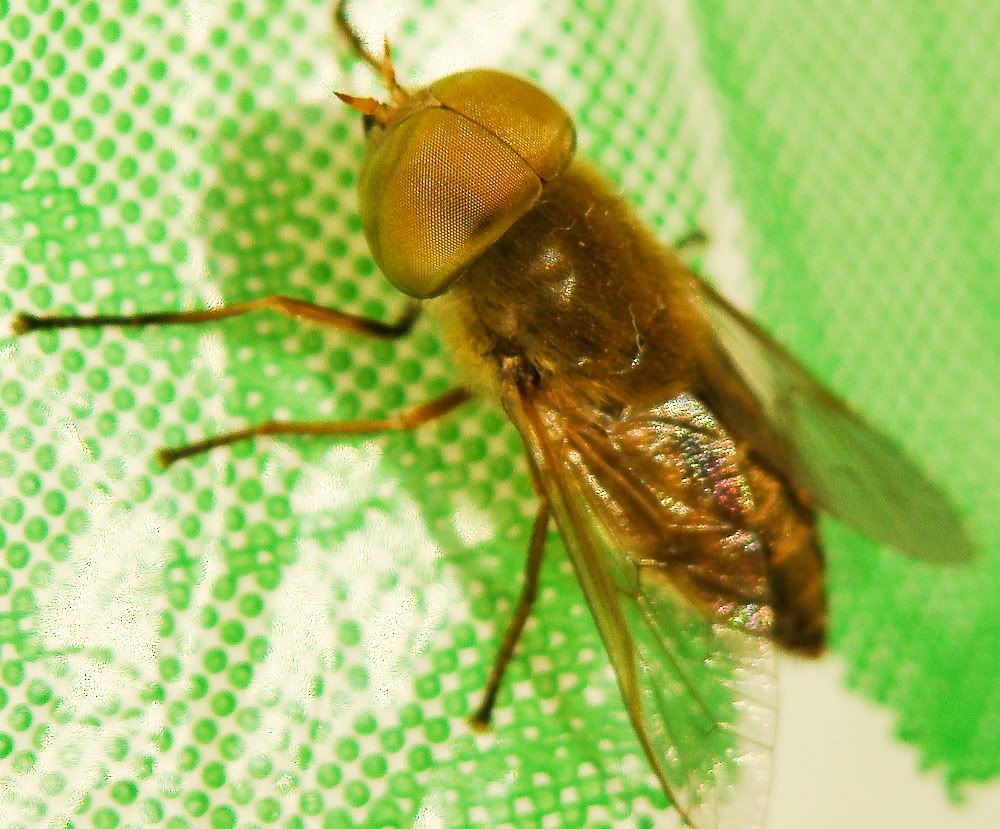 |
|
|
|
| valter |
Posted on 18-08-2008 09:48
|
|
Member Location: Faro, Portugal Posts: 1998 Joined: 09.07.07 |
Wolfgang Schacht said that: "Your foto of a male Tabanidae is not quadrifarius, because this species has in male much smaller eyes and a nearly entirely yellow abdomen. I was collecting a large series of males hoovering between the branches of a Pinus tree at La Algaida near Sanlucar d.B. north of Cadiz, up to which my friend has helped me to climb it. In one of your last fotos I can see, that the lateral patches on abdomen are not composed of whitish toment. In western Spain, Sierra de Gata, I collected a Tabanus species which is still undeternmined in my collection and similar ones of which I collected in both sexes in Morocco and Turkey. I try to remoisten one of them to see the colour of the eye, and may bee I send a few to Zeegers for determination. Up to now, the determination of your male is not at the end." |
|
|
|
| Zeegers |
Posted on 18-08-2008 19:37
|
|
Member Location: Soest, NL Posts: 19307 Joined: 21.07.04 |
I say amen to the last conclusion by Wolfgang. Atylotus is a difficult genus, in my opinion in need of revision. Valter, thanks for the additional pic, but we still can't see whether or not there are longer hairs on the occiput. Theo |
|
|
|
| Jump to Forum: |